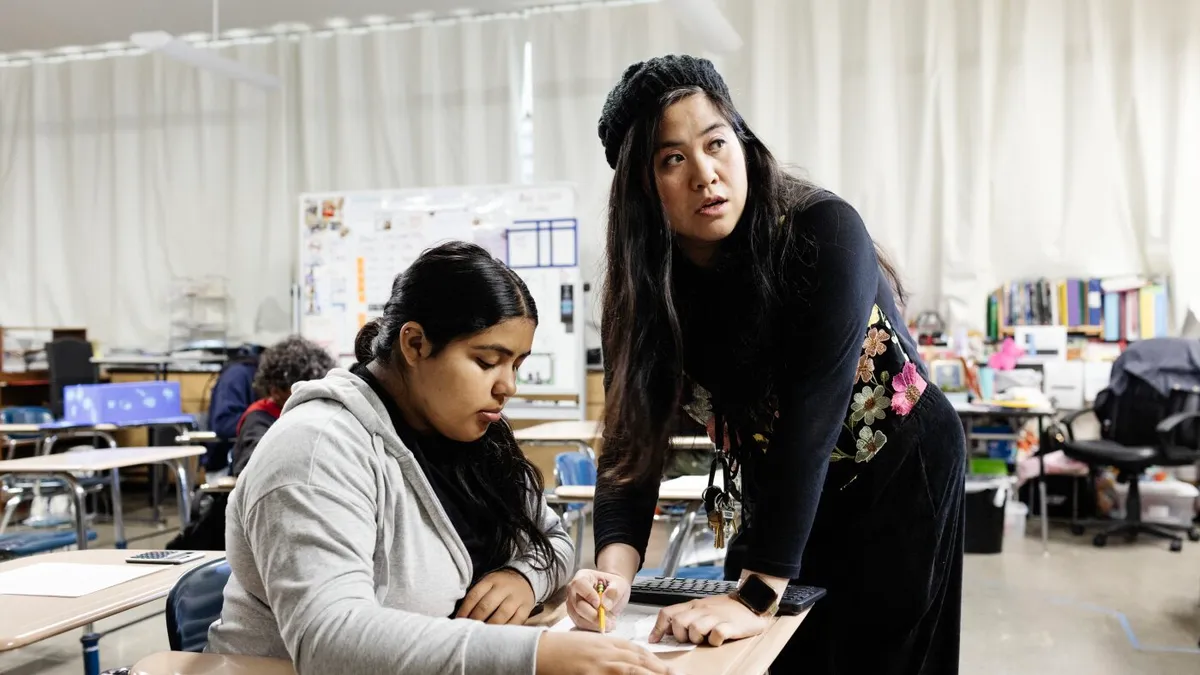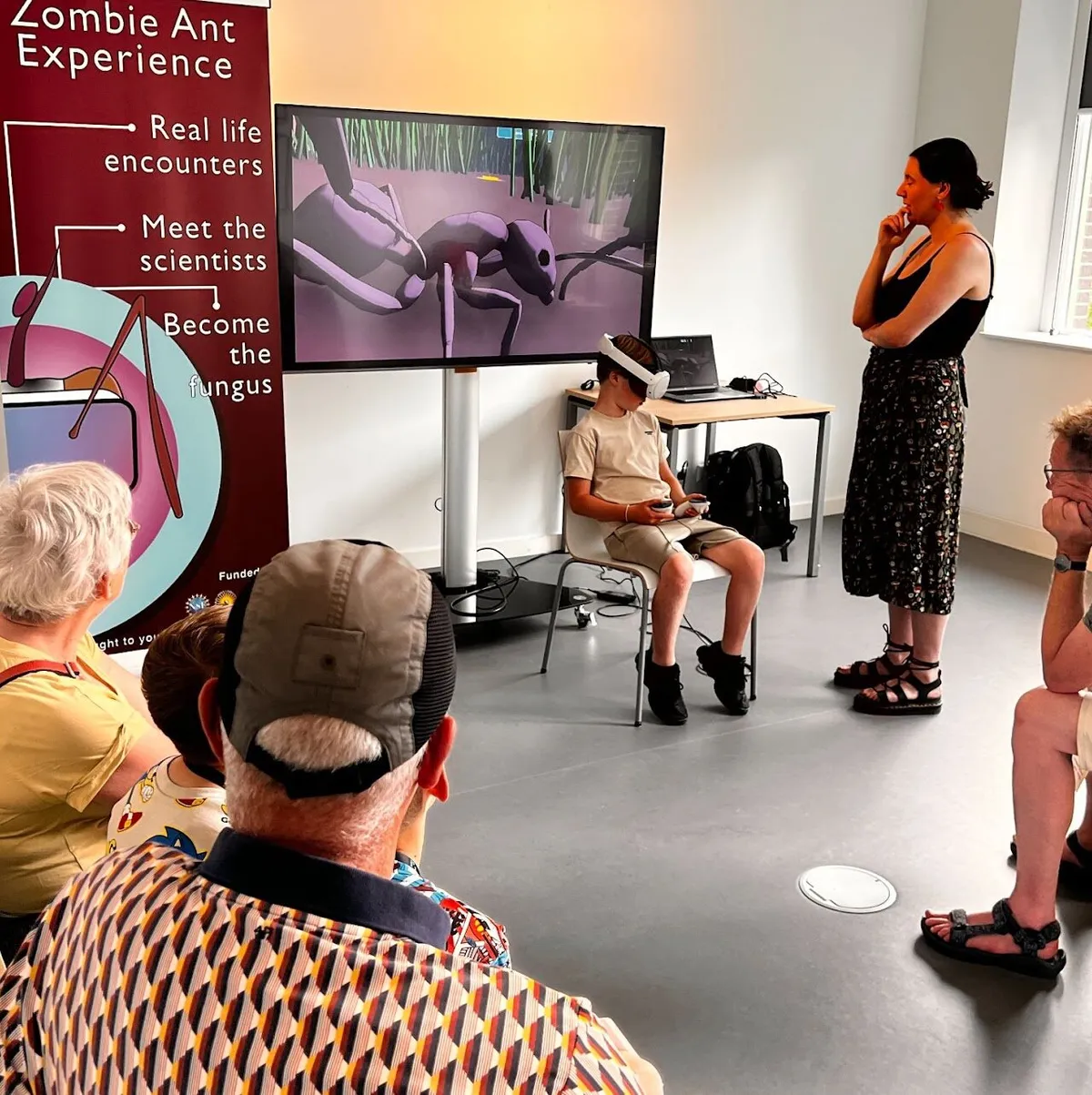

Ever feel a pang of regret about not mastering French in high school? You're not alone. Many of us harbor a secret wish we were better at languages, often convinced we're just not "wired for it." Turns out, that's probably nonsense.
Language education experts Abigail Parrish and Jessica Mary Bradley are here to shatter five common myths that keep us from unlocking new linguistic worlds. Because, apparently, it's not you; it's the myths. And the benefits of being bilingual? They're not just about ordering coffee in Rome – we're talking enhanced thinking skills, cultural savvy, and a hefty dose of empathy.
It's Not Just About Grammar Drills
Forget the rote memorization and the terror of verb conjugations. While grammar and vocabulary have their place, language learning is really about connecting with people. It's about "intercultural agility," which sounds like a superpower, and frankly, it kind of is. You're not just learning words; you're learning entire ways of seeing the world.
We're a new kind of news feed.
Regular news is designed to drain you. We're a non-profit built to restore you. Every story we publish is scored for impact, progress, and hope.
Start Your News DetoxSure, moving to a new country helps, but if that's not in the cards, your couch will do. Dive into music, movies, books, and even games. Your brain doesn't care if you're in Paris or your living room, as long as you're soaking it in.
Mistakes Are Your Friends, Not Foes
Formal language classes often make us terrified of imperfection. Get it wrong, and you fail the test. But here's a secret: in real life, even in your native language, you probably mangle words and phrases all the time, and somehow, people still get it. Shocking, we know.
Less formal learning encourages "language hacking" — focusing on communication over perfection. Think apps, travel, and just talking to people. Because who cares if your verbs are slightly off if you're actually making friends?
Effort? It's All About Interest
Maybe French wasn't your jam in school. That's fine. It taught you how to learn. But now, as a grown-up, you get to pick. Your job, your family, or even a sudden obsession with Korean dramas might lead you to a language you actually want to learn. And that personal interest? It's the ultimate motivation, even when the going gets tough.
Go Forth and Collaborate
Learning a language doesn't have to be a solo climb up a very steep, lonely mountain. Find a buddy, join a conversation group, or even chat online. You don't need to be fluent before you start connecting. Even language apps are getting in on the social game, letting you learn with friends and celebrate each other's progress. Because everything's better with a little friendly competition, right?
It Can Actually Be Fun
Yes, there's hard work involved. But when you have a personal reason — like wanting to chat with your grandmother or finally understand that K-pop song — it stops feeling like a chore. Plus, language apps have made learning ridiculously accessible and often, genuinely playful. You can practice Chinese from your couch, for free, whenever the mood strikes. They're designed to keep you motivated, remember words, and even make grammar feel less like torture.
So, if you've ever thought you were "bad" at languages, perhaps it's time to ditch the myths and give it another go. Your brain, and potentially your future travel plans, will thank you.