

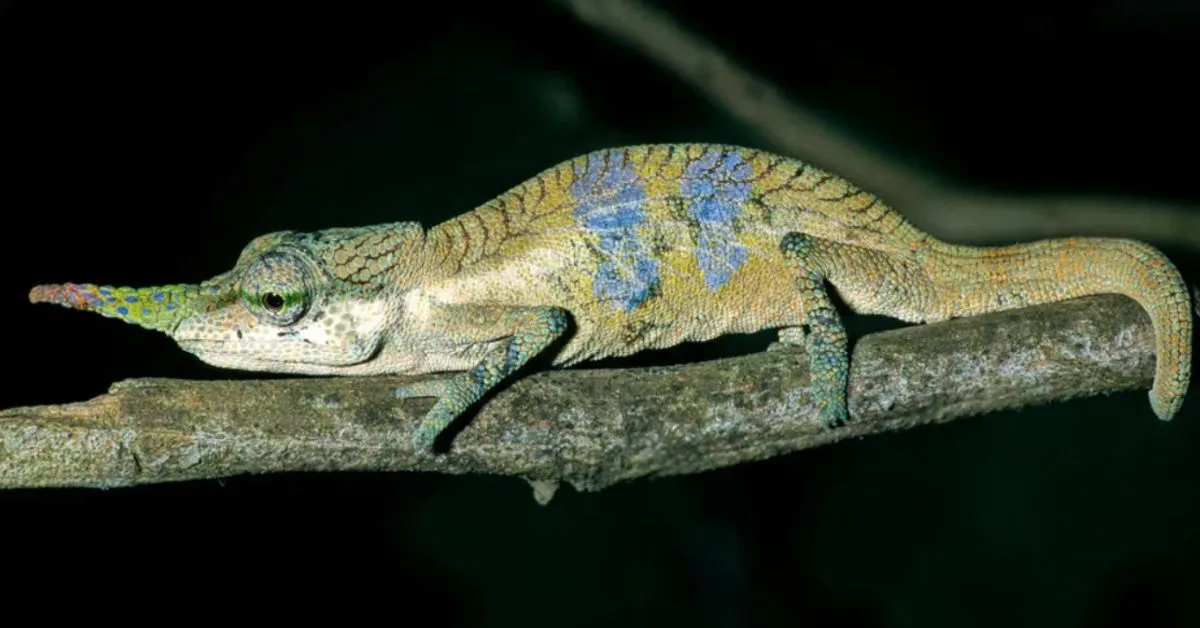
Scientists discover funky-nosed 'Pinocchio chameleon' is actually three species. Here's the fun way to tell them apart

1 min read
Madagascar
9 views✓ Verified Source
Share

Scientists Discover Three New "Pinocchio Chameleon" Species

Researchers have uncovered that the chameleon species Calumma gallus from eastern Madagascar is actually composed of three distinct species, thanks to a new study led by German herpetologist Frank Glaw.

The study, published in the journal "Salamandra: The German Journal of Herpetology," revealed that one chameleon previously classified as C. nasutum actually belongs within the C. gallus species complex, despite lacking the long nose-like structure typical of the group. This population is now described as a new species, Calumma hofreiteri, or Hofreiter's chameleon.

The researchers also identified a new northern species, Calumma pinocchio, which is genetically quite different and has a long but smoother-edged nose appendage reminiscent of the famous fairy tale character.

Wait—What is Brightcast?

We're a new kind of news feed.

Regular news is designed to drain you. We're a non-profit built to restore you. Every story we publish is scored for impact, progress, and hope.

Start Your News Detox

![The Pinocchio chameleon](https://images.ctfassets.net/3s5io6mnxfqz/4Ry9Ry2Ux4Ry1aqABcnMBD/d8f8a4d7d3d4d3d3d3d3d3d3d3d3d3d3d3d3d3d3d3d3d3d3d3d3d3d3d3d3d3d3d3d3d3d3d3d3d3d3d3d3d3d3d3d3d3d3d3d3d3d3d3d3d3d3d3d3d3d3d3d3d3d3d3d3d3d3d3d3d3d3d3d3d3d3d3d3d3d3d3d3d3d3d3d3d3d3d3d3d3d3d3d3d3d3d3d3d3d3d3d3d3d3d3d3d3d3d3d3d3d3d3d3d3d3d3d3d3d3d3d3d3d3d3d3d3d3d3d3d3d3d3d3d3d3d3d3d3d3d3d3d3d3d3d3d3d3d3d3d3d3d3d3d3d3d3d3d3d3d3d3d3d3d3d3d3d3d3d3d3d3d3d3d3d3d3d3d3d3d3d3d3d3d3d3d3d3d3d3d3d3d3d3d3d3d3d3d3d3d3d3d3d3d3d3d3d3d3d3d3d3d3d3d3d3d3d3d3d3d3d3d3d3d3d3d3d3d3d3d3d3d3d3d3d3d3d3d3d3d3d3d3d3d3d3d3d3d3d3d3d3d3d3d3d3d3d3d3d3d3d3d3d3d3d3d3d3d3d3d3d3d3d3d3d3d3d3d3d3d3d3d3d3d3d3d3d3d3d3d3d3d3d3d3d3d3d3d3d3d3d3d3d3d3d3d3d3d3d3d3d3d3d3d3d3d3d3d3d3d3d3d3d3d3d3d3d3d3d3d3d3d3d3d3d3d3d3d3d3d3d3d3d3d3d3d3d3d3d3d3d3d3d3d3d3d3d3d3d3d3d3d3d3d3d3d3d3d3d3d3d3d3d3d3d3d3d3d3d3d3d3d3d3d3d3d3d3d3d3d3d3d3d3d3d3d3d3d3d3d3d3d3d3d3d3d3d3d3d3d3d3d3d3d3d3d3d3d3d3d3d3d3d3d3d3d3d3d3d3d3d3d3d3d3d3d3d3d3d3d3d3d3d3d3d3d3d3d3d3d3d3d3d3d3d3d3d3d3d3d3d3d3d3d3d3d3d3d3d3d3d3d3d3d3d3d3d3d3d3d3d3d3d3d3d3d3d3d3d3d3d3d3d3d3d3d3d3d3d3d3d3d3d3d3d3d3d3d3d3d3d3d3d3d3d3d3d3d3d3d3d3d3d3d3d3d3d3d3d3d3d3d3d3d3d3d3d3d3d3d3d3d3d3d3d3d3d3d3d3d3d3d3d3d3d3d3d3d3d3d3d3d3d3d3d3d3d3d3d3d3d3d3d3d3d3d3d3d3d3d3d3d3d3d3d3d3d3d3d3d3d3d3d3d3d3d3d3d3d3d3d3d3d3d3d3d3d3d3d3d3d3d3d3d3d3d3d3d3d3d3d3d3d3d3d3d3d3d3d3d3d3d3d3d3d3d3d3d3d3d3d3d3d3d3d3d3d3d3d3d3d3d3d3d3d3d3d3d3d3d3d3d3d3d3d3d3d3d3d3d3d3d3d3d3d3d3d3d3d3d3d3d3d3d3d3d3d3d3d3d3d3d3d3d3d3d3d3d3d3d3d3d3d3d3d3d3d3d3d3d3d3d3d3d3d3d3d3d3d3d3d3d3d3d3d3d3d3d3d3d3d3d3d3d3d3d3d3d3d3d3d3d3d3d3d3d3d3d3d3d3d3d3d3d3d3d3d3d3d3d3d3d3d3d3d3d3d3d3d3d3d3d3d3d3d3d3d3d3d3d3d3d3d3d3d3d3d3d3d3d3d3d3d3d3d3d3d3d3d3d3d3d3d3d3d3d3d3d3d3d3d3d3d3d3d3d3d3d3d3d3d3d3d3d3d3d3d3d3d3d3d3d3d3d3d3d3d3d3d3d3d3d3d3d3d3d3d3d3d3d3d3d3d3d3d3d3d3d3d3d3d3d3d3d3d3d3d3d3d3d3d3d3d3d3d3d3d3d3d3d3d3d3d3d3d3d3d3d3d3d3d3d3d3d3d3d3d3d3d3d3d3d3d3d3d3d3d3d3d3d3d3d3d3d3d3d3d3d3d3d3d3d3d3d3d3d3d3d3d3d3d3d3d3d3d3d3d3d3d3d3d3d3d3d3d3d3d3d3d3d3d3d3d3d3d3d3d3d3d3d3d3d3d3d3d3d3d3d3d3d3d3d3d3d3d3d3d3d3d3d3d3d3d3d3d3d3d3d3d3d3d3d3d3d3d3d3d3d3d3d3d3d3d3d3d3d3d3d3d3d3d3d3d3d3d3d3d3d3d3d3d3d3d3d3d3d3d3d3d3d3d3d3d3d3d3d3d3d3d3d3d3d3d3d3d3d3d3d3d3d3d3d3d3d3d3d3d3d3d3d3d3d3d3d3d3d3d3d3d3d3d3d3d3d3d3d3d3d3d3d3d3d3d3d3d3d3d3d3d3d3d3d3d3d3d3d3d3d3d3d3d3d3d3d3d3d3d3d3d3d3d3d3d3d3d3d3d3d3d3d3d3d3d3d3d3d3d3d3d3d3d3d3d3d3d3d3d3d3d3d3d3d3d3d3d3d3d3d3d3d3d3d3d3d3d3d3d3d3d3d3d3d3d3d3d3d3d3d3d3d3d3d3d3d3d3d3d3d3d3d3d3d3d3d3d3d3d3d3d3d3d3d3d3d3d3d3d3d3d3d3d3d3d3d3d3d3d3d3d3d3d3d3d3d3d3d3d3d3d3d3d3d3d3d3d3d3d3d3d3d3d3d3d3d3d3d3d3d3d3d3d3d3d3d3d3d3d3d3d3d3d3d3d3d3d3d3d3d3d3d3d3d3d3d3d3d3d3d3d3d3d3d3d3d3d3d3d3d3d3d3d3d3d3d3d3d3d3d3d3d3d3d3d3d3d3d3d3d3d3d3d3d3d3d3d3d3d3d3d3d3d3d3d3d3d3d3d3d3d3d3d3d3d3d3d3d3d3d3d3d3d3d3d3d3d3d3d3d3d3d3d3d3d3d3d3d3d3d3d3d3d3d3d3d3d3d3d3d3d3d3d3d3d3d3d3d3d3d3d3d3d3d3d3d3d3d3d3d3d3d3d3d3d3d3d3d3d3d3d3d3d3d3d3d3d3d3d3d3d3d3d3d3d3d3d3d3d3d3d3d3d3d3d3d3d3d3d3d3d3d3d3d3d3d3d3d3d3d3d3d3d3d3d3d3d3d3d3d3d3d3d3d3d3d3d3d3d3d3d3d3d3d3d3d3d3d3d3d3d3d3d3d3d3d3d3d3d3d3d3d3d3d3d3d3d3d3d3d3d3d3d3d3d3d3d3d3d3d3d3d3d3d3d3d3d3d3d3d3d3d3d3d3d3d3d3d3d3d3d3d3d3d3d3d3d3d3d3d3d3d3d3d3d3d3d3d3d3d3d3d3d3d3d3d3d3d3d3d3d3d3d3d3d3d3d3d3d3d3d3d3d3d3d3d3d3d3d3d3d3d3d3d3d3d3d3d3d3d3d3d3d3d3d3d3d3d3d3d3d3d3d3d3d3d3d3d3d3d3d3d3d3d3d3d3d3d3d3d3d3d3d3d3d3d3d3d3d3d3d3d3d3d3d3d3d3d3d3d3d3d3d3d3d3d3d3d3d3d3d3d3d3d3d3d3d3d3d3d3d3d3d3d3d3d3d3d3d3d3d3d3d3d3d3d3d3d3d3d3d3d3d3d3d3d3d3d3d3d3d3d3d3d3d3d3d3d3d3d3d3d3d3d3d3d3d3d3d3d3d3d3d3d3d3d3d3d3d3d3d3d3d3d3d3d3d3d3d3d3d3d3d3d3d3d3d3d3d3d3d3d3d3d3d3d3d3d3d3d3d3d3d3d3d3d3d3d3d3d3d3d3d3d3d3d3d3d3d3d3d3d3d3d3d3d3d3d3d3d3d3d3d3d3d3d3d3d3d3d3d3d3d3d3d3d3d3d3d3d3d3d3d3d3d3d3d3d3d3d3d3d3d3d3d3d3d3d3d3d3d3d3d3d3d3d3d3d3d3d3d3d3d3d3d3d3d3d3d3d3d3d3d3d3d3d3d3d3d3d3d3d3d3d3d3d3d3d3d3d3d3d3d3d3d3d3d3d3d3d3d3d3d3d3d3d3d3d3d3d3d3d3d3d3d3d3d3d3d3d3d3d3d3d3d3d3d3d3d3d3d3d3d3d3d3d3d3d3d3d3d3d3d3d3d3d3d3d3d3d3d3d3d3d3d3d3d3d3d3d3d3d3d3d3d3d3d3d3d3

65
HopefulSolid documented progress

Brightcast Impact Score

This article describes the discovery of three distinct species of chameleons in Madagascar, which is a positive scientific advancement that helps us better understand these unique creatures. The discovery of new species is an exciting development that expands our knowledge of the natural world.

20

Hope

Solid

20

Reach

Solid

25

Verified

Strong

Wall of Hope

0/50

Be the first to share how this story made you feel

How does this make you feel?

1
2
3
4
5
6
7
8
9
10
11
12
13
14
15
16
17
18
19
20
21
22
23
24
25
26
27
28
29
30
31
32
33
34
35
36
37
38
39
40
41
42
43
44
45
46
47
48
49
50
Share

Originally reported by Good Good Good · Verified by Brightcast

Get weekly positive news in your inbox

No spam. Unsubscribe anytime. Join thousands who start their week with hope.

More stories that restore faith in humanity


