

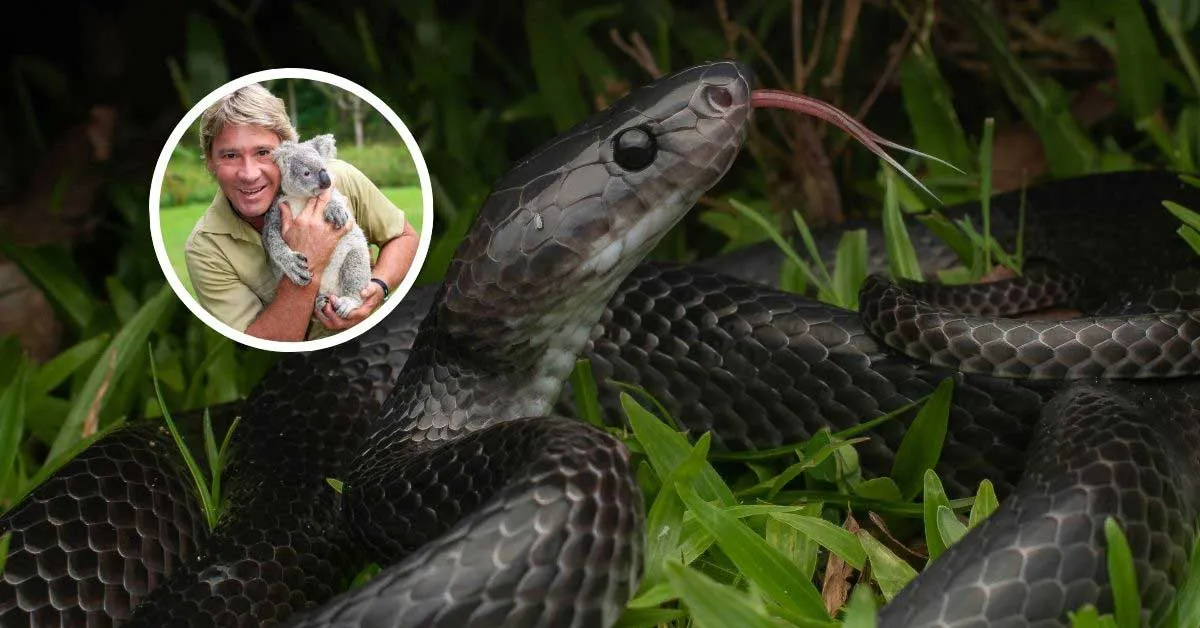
Three researchers working in one of Asia's most biodiverse regions just found something that made them reach for a name that matters: a glossy black snake they'd never seen before, now called Lycodon irwini.
R.S. Naveen, S.R. Chandramouli, and Zeeshan A. Mirza discovered the species in the moist evergreen forests of Great Nicobar Island, part of the Nicobar Archipelago in the Bay of Bengal near India. It's a nonvenomous wolf snake, barely over three feet long, that likely hunts small reptiles, amphibians, and mammals in the leaf litter. The researchers believe it lives nowhere else on Earth.
Naming it after Steve Irwin wasn't casual. "His passion and dedication to wildlife education and conservation have inspired naturalists and conservationists worldwide, including the authors of the paper," they wrote in their published study. Irwin, who died in 2006, spent decades on his show The Crocodile Hunter doing exactly what these researchers are doing now — finding animals, understanding them, and convincing the world they matter.
We're a new kind of news feed.
Regular news is designed to drain you. We're a non-profit built to restore you. Every story we publish is scored for impact, progress, and hope.
Start Your News Detox
The discovery itself is a reminder that we're still learning what shares the planet with us. New species continue to emerge from fieldwork in biodiverse regions, and the Nicobar Archipelago — designated a UNESCO biosphere reserve — is exactly the kind of place where that happens. But it's also a cautionary note. The researchers recommend L. irwini be classified as Endangered by the IUCN because its range appears limited to this one island, making it vulnerable to habitat loss and human pressure.
Irwin has become a patron saint for this kind of work. At least three other species already bear his name in Australia: a turtle, a koala blood parasite, and a small snail. Each one represents a scientist's way of saying: this creature matters, and so did he. The snake in the Nicobar forest will likely never meet a camera crew or a television audience. But it exists, and now it's known.





