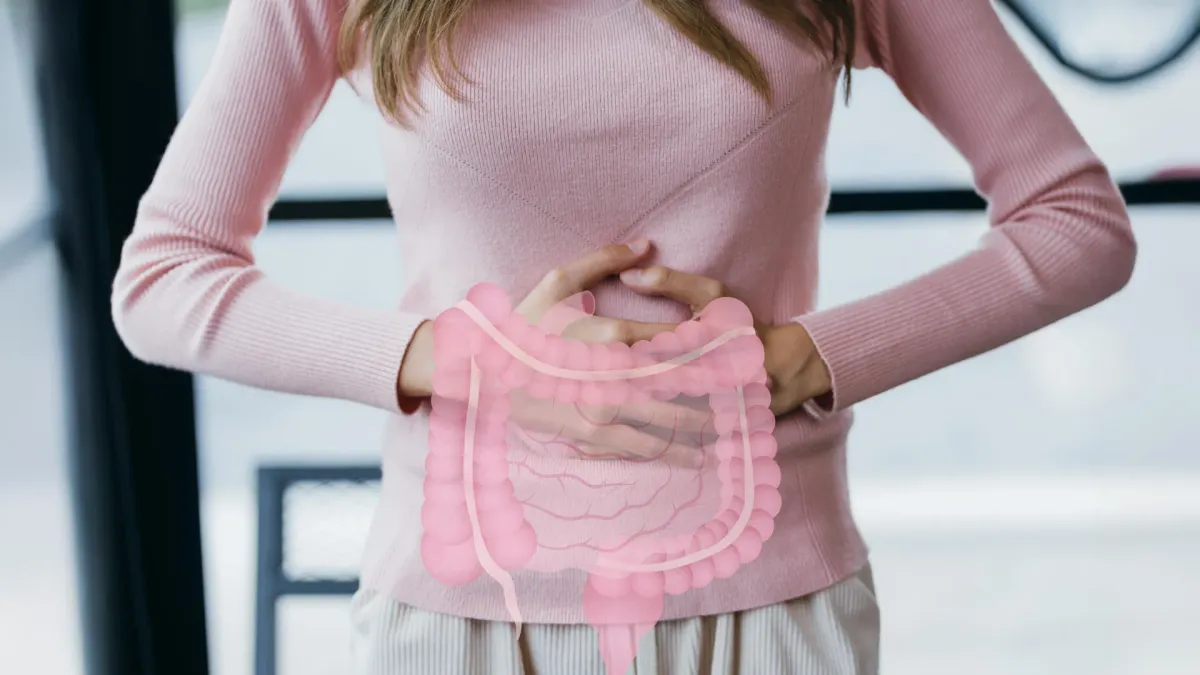
There's a nine-year gap between living to a certain age in good health and spending your final years managing illness. That gap is what researchers are now zeroing in on, and it turns out one of the simplest levers to pull is something you probably already know you should do: eat more fiber.
The trend is called "fibermaxxing," and it's exactly what it sounds like—consuming the recommended daily amount of fiber for your body. It's gained real traction this year, not because fiber is new, but because people are finally connecting the dots between living longer and living well longer. Jennifer Lee, a researcher at Tufts University's Jean Mayer USDA Human Nutrition Research Center on Aging, has spent years studying how gut health shapes metabolism as we age. She's not surprised the trend caught on. "Behavioral or nutritional strategies that can keep someone healthy are very on trend right now," she says.
Why Your Gut Bacteria Care
Here's what the research actually shows: consistently low fiber intake is linked to metabolic and cardiovascular problems—diabetes, obesity, and even certain cancers like colorectal and breast cancer. When people don't eat enough fiber, they're filling those calories with other stuff—usually refined carbs or fats—that tends to lead to weight gain.
We're a new kind of news feed.
Regular news is designed to drain you. We're a non-profit built to restore you. Every story we publish is scored for impact, progress, and hope.
Start Your News DetoxThe USDA guidelines are straightforward: adults should aim for 22 to 34 grams of fiber daily, depending on age and sex. Lee offers a simpler rule of thumb: for every 1,000 calories you eat, aim for about 14 grams of fiber. So a 19-to-30-year-old woman on a 2,000-calorie diet should target 28 grams, while a man the same age typically needs 34 grams.
But fiber isn't one thing—and that matters.
Two Types, Two Jobs
Soluble fiber dissolves in water and slows digestion. It absorbs water, forms a gel-like substance that keeps you full, and when it reaches your colon, your gut bacteria actually eat it as food. This is the part that sounds almost too good to be true: you're literally feeding your microbiota. Soluble fiber also helps regulate blood sugar and can lower cholesterol. You'll find it in apples, avocados, bananas, broccoli, beans, and oatmeal.
Insoluble fiber doesn't dissolve and your body can't extract calories from it—but that's exactly why you need it. It bulks up your stool and keeps things moving. It's in whole grains, nuts, and seeds.
Lee's recommendation: aim for roughly twice as much insoluble fiber as soluble. If your daily goal is 30 grams, that's about 20 grams insoluble and 10 grams soluble.
The Practical Reality
Many adults fall short of these targets, which is why fiber supplements exist—capsules or powders you can mix into drinks. But here's the catch: jump from low fiber to high fiber overnight, and your digestive system will let you know. Too much too fast without enough water can cause constipation. Some people get diarrhea. The body needs time to adjust.
The fix is boring but it works: increase gradually and drink water. Your gut will adapt, and you'll likely notice changes—better digestion, steadier energy, less bloating—within a few weeks.
The broader picture is becoming clearer: fiber isn't a trend, it's a foundation. As people realize the difference between adding years to your life and adding life to your years, simple changes like this start to make real sense.