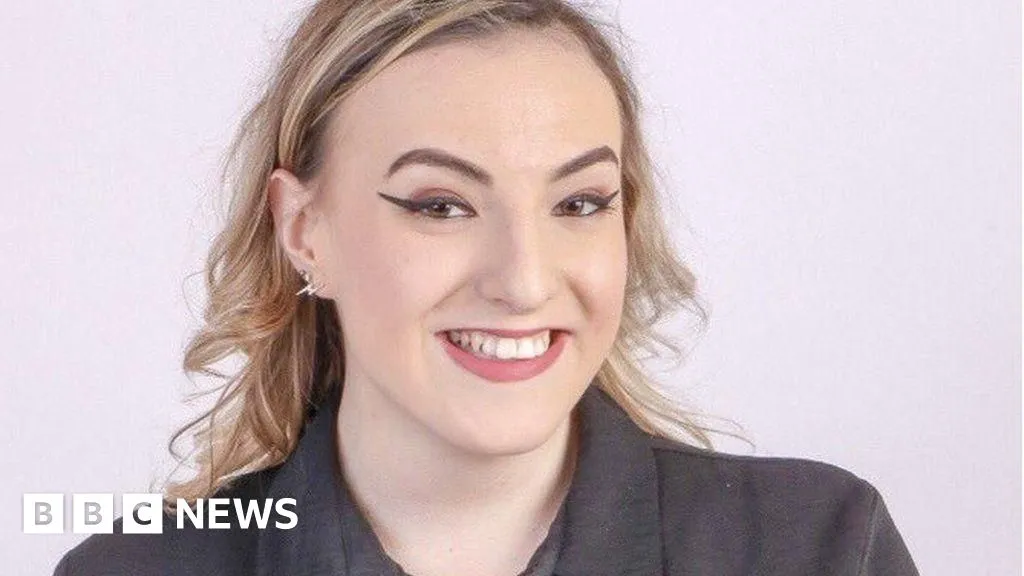
Bethan James was 16 when she filmed a YouTube video about living with Crohn's disease and imagined her future. By 2026, she hoped to have a partner, a job she loved, maybe children. She would be 27 now. Instead, she died at 21 — six years ago this month — from sepsis that went unrecognized through five hospital visits and a paramedic call to her home.
Her parents, Jane and Steve, have spent those six years fighting to understand why. The inquest was clear: Bethan would not have died if her care hadn't been delayed. The reason, they discovered, was simpler and more preventable than they'd feared. The people who saw her — the doctor, the paramedic, the A&E staff — didn't recognize sepsis when it was in front of them.
The gap between knowing and recognizing
Sepsis kills around 48,000 people each year in the UK, and the UK Sepsis Trust estimates thousands of those deaths are preventable. It's not a disease itself. It's what happens when the body's immune system overreacts to an infection and starts attacking its own tissues and organs. It's fast. For every hour treatment is delayed, survival chances drop. In cases like Bethan's — rapidly progressing, with multiple warning signs — those hours are the difference between life and death.
We're a new kind of news feed.
Regular news is designed to drain you. We're a non-profit built to restore you. Every story we publish is scored for impact, progress, and hope.
Start Your News DetoxBethan had all the markers. On the day a paramedic came to her Cardiff home, her National Early Warning Score (NEWS) was 8 — high enough to flag serious risk. The paramedic didn't see it that way. She wasn't treated as a priority. By the time she reached the hospital's A&E department, it was too late.
Her parents later learned that sepsis awareness training in Wales remains inconsistent — a patchwork of hospitals where some staff have it and most don't. At the University Hospital of Wales in Cardiff, where Bethan died, the BBC found that sepsis training still isn't compulsory for clinical staff. There are posters on the walls and lifts. But the people on the frontline, the ones making the split-second calls about who needs urgent care, often haven't been trained to spot the signs.
"You go into the hospital and there's sepsis posters on lifts and walls but if their actual frontline staff can't recognise the symptoms of sepsis, it just beggars belief," Jane said.
The Welsh Ambulance Service has since apologized and says sepsis training is now mandatory for them. The health board called sepsis awareness a priority. But the BBC's investigation found that most Welsh hospitals still don't require it. The gap between policy and practice remains.
Bethan's parents and the UK Sepsis Trust are pushing for mandatory, standalone sepsis training for all clinical staff — not optional modules buried in wider programs, but dedicated, required education. They're also calling for something England already has: a system like "Martha's Rule" that lets families request a second opinion when a patient's condition suddenly worsens. Small safeguards. The kind that might have meant Bethan was seen differently on that fifth hospital visit, or by that paramedic at her front door.
"I don't want any other family to go through this," Jane said. "She should still be here with us."
The conversation is shifting. More hospitals are recognizing that sepsis awareness isn't a nice-to-have — it's a core skill, like CPR. Whether that shift reaches everywhere it needs to, whether mandatory training becomes actual policy across Wales and beyond, is still being decided. Bethan's case is part of that conversation now, a reminder that the posters on hospital walls only work if someone's been trained to read them.