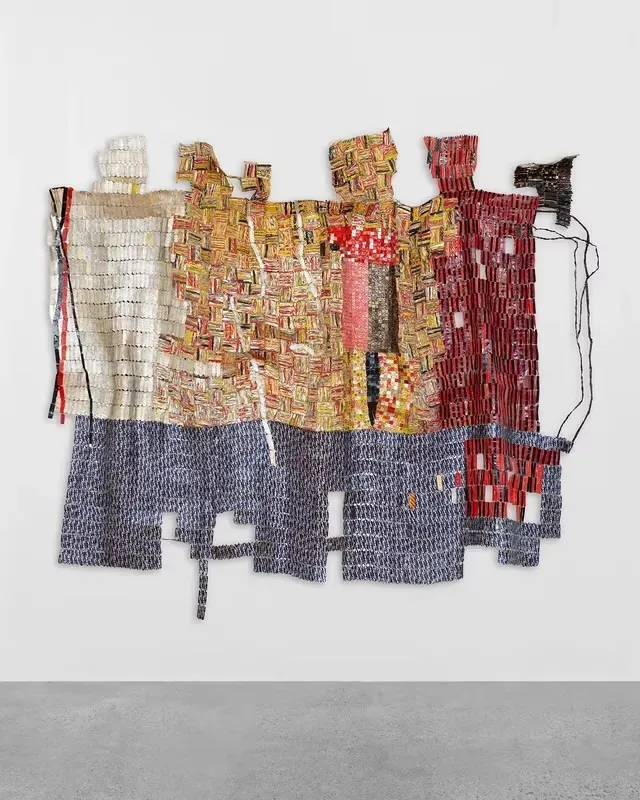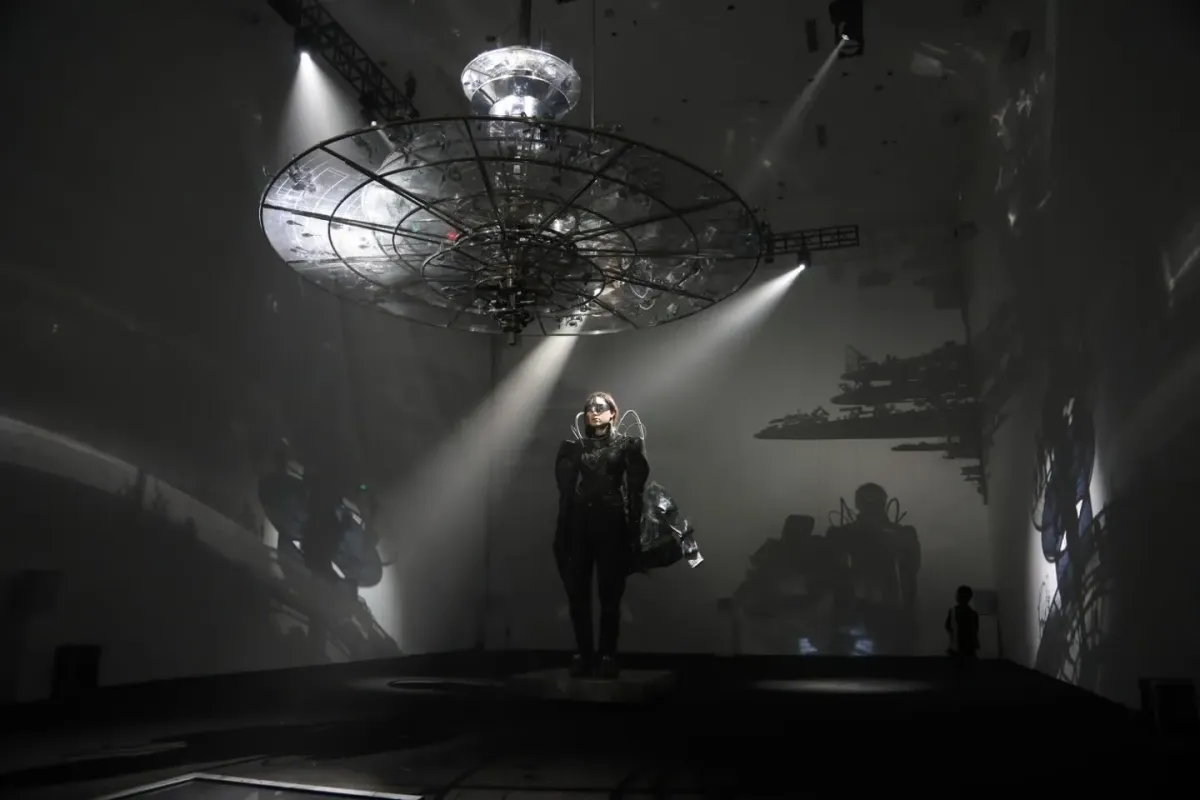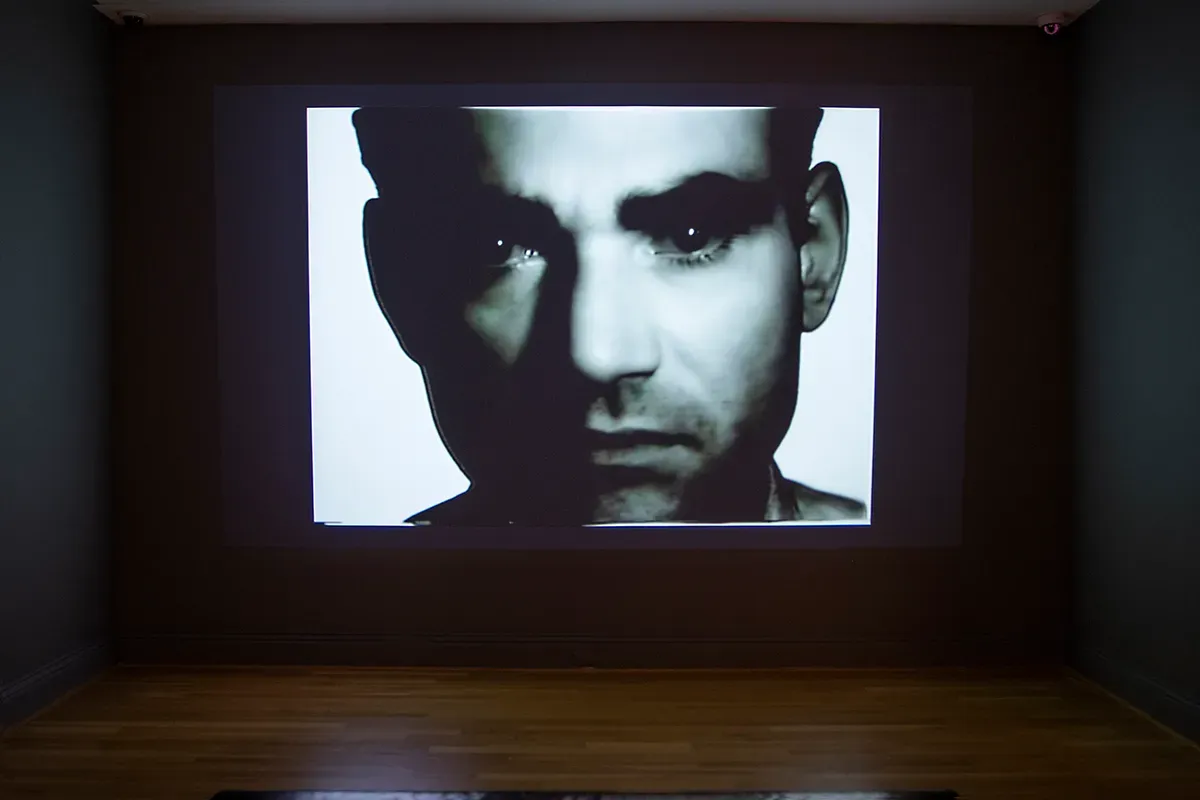
The San Francisco Museum of Modern Art just acquired 85 modern and contemporary works—and the collection tells you something about how museums are rethinking what belongs on their walls.
The haul spans painting, sculpture, photography, video, sound installation, ceramics, fiber, and digital media. But what matters more than the medium is the story the pieces tell together. Works by Ruth Asawa, Nan Goldin, and Yoshitomo Nara sit alongside pieces by Indigenous artists like Raven Chacon, Jaune Quick-to-See Smith, and Cannupa Hanska Luger—artists whose work often documents resistance, community, and survival.
Luger's video "Mirror Shield Project: River (The Water Serpent)" captures a 2016 performance near Standing Rock, North Dakota, where water protectors gathered to oppose the Dakota Access Pipeline. Chacon's sound installation "Storm Pattern," also born from the Standing Rock movement, transforms that resistance into something you can hear. These aren't artworks added as an afterthought to seem more inclusive. They're central to how SFMOMA director Christopher Bedford describes the museum's mission: to tell "a broader and more inclusive story about the art of our time."
We're a new kind of news feed.
Regular news is designed to drain you. We're a non-profit built to restore you. Every story we publish is scored for impact, progress, and hope.
Start Your News DetoxHow the collection came together
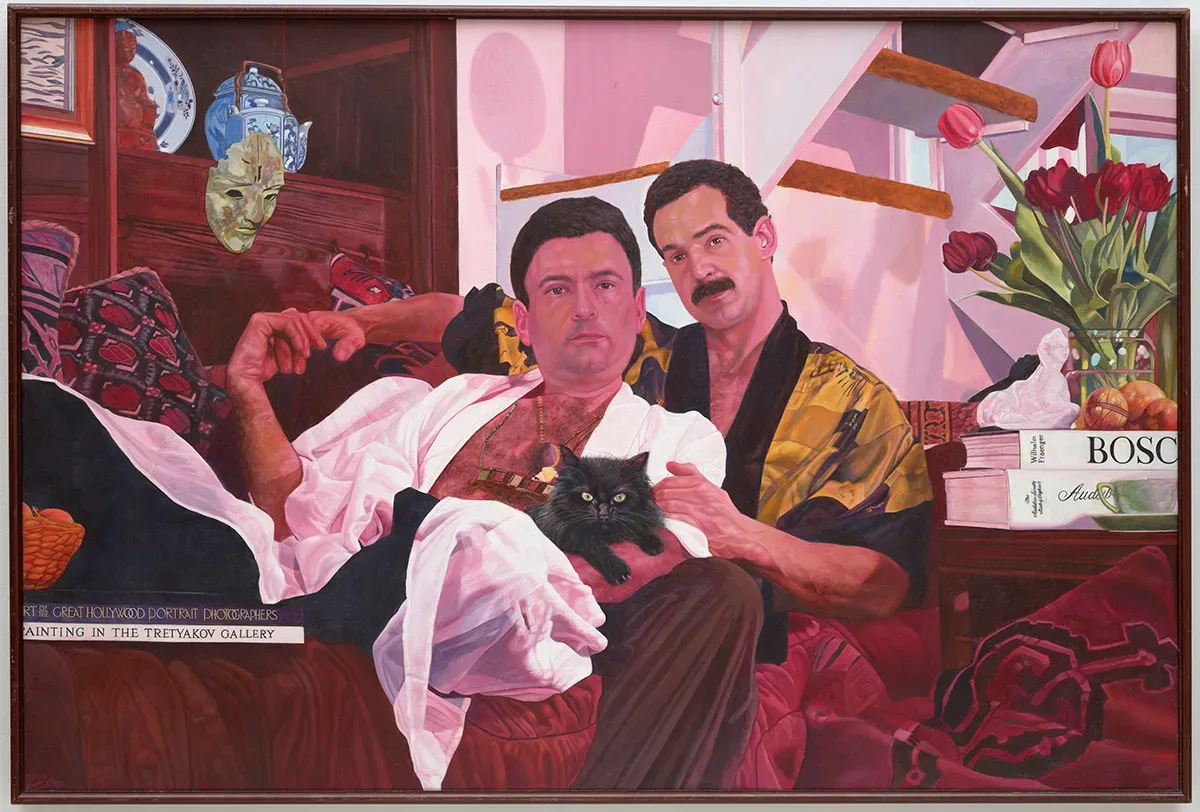
Some works arrived as gifts—Yoshitomo Nara's 2024 sculpture "Long Tall Peace Sister" came through collectors Maria and Tim Blum. Others were purchased using SFMOMA's deaccession fund, which lets the museum sell pieces it already owns to acquire new ones. Nan Goldin's intimate 1972 photograph "Lola Modeling at The Other Side, Boston," Sheila Hicks' soft sculpture "Rempart," and Lenore Chin's 1991 painting "The Family" all entered the collection this way.
The timing matters. Asawa, an artist whose work in wire sculpture and public art shaped San Francisco itself, had a retrospective at SFMOMA last spring before it traveled to MoMA in New York. That kind of institutional validation—a major museum saying "this artist's work deserves a second look"—often opens doors for other museums to acquire their pieces too.
Starting January 24th, works by Chacon, Luger, and others will be on view on SFMOMA's first floor. That's not a side gallery or a rotating exhibition tucked away. It's ground level, where you encounter it walking through the door.
Museums move slowly, and they don't always get it right. But when a major institution decides that whose stories get told matters as much as what gets told, that's a shift worth noticing.