When Samantha Williams brought her newborn son to the GP at four weeks old, she knew something wasn't right. By five weeks, he'd stopped moving his legs. She kept returning, kept asking. She was told she was overprotective.
Lucian is now two and doing well. But only because he was eventually diagnosed with Spinal Muscular Atrophy (SMA) at six weeks old—and treatment started immediately. For others, the diagnosis comes months later, sometimes too late to prevent irreversible muscle damage.
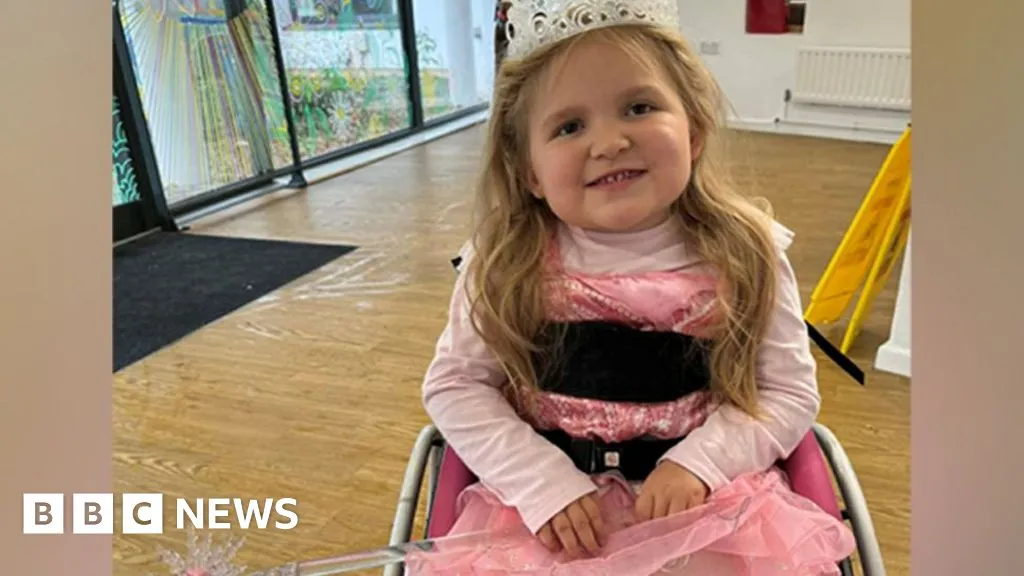
Dani-Rae Brown wasn't diagnosed until 12 months old, despite showing symptoms at five months. The delay meant her window for early intervention had largely closed. When former Little Mix star Jesy Nelson recently revealed her twin daughters Ocean Jade and Story Monroe also have SMA, she brought the condition into public view—and with it, a question parents have been asking for years: why isn't every newborn screened for this?
We're a new kind of news feed.
Regular news is designed to drain you. We're a non-profit built to restore you. Every story we publish is scored for impact, progress, and hope.
Start Your News DetoxWhat makes early diagnosis matter so much
SMA is a genetic condition where a faulty gene stops the body from making a protein muscles need to function. Without treatment, severe forms can cause death within two years. The symptoms—weak arms and legs, feeding difficulties, breathing problems—often appear in infants and toddlers. But here's the critical part: babies treated before symptoms appear have dramatically better outcomes than those diagnosed after symptoms start.
This isn't theoretical. Lucian Neale, diagnosed at six weeks, is thriving at two years old. Dani-Rae Brown, diagnosed at 12 months, lives with severe disability that early treatment might have prevented. The difference between those two timelines—five months—can reshape a child's entire life.
Effective treatments now exist. Zolgensma, approved in the UK, can halt or slow progression if given early enough. But the treatment only works if you catch the condition before muscle damage becomes irreversible. And you can't catch it if you're not looking.
The screening gap
The UK's newborn blood spot screening program tests for nine rare conditions, but SMA isn't one of them. The National Screening Committee has resisted adding it, partly because screening programs require robust evidence they'll improve outcomes at a population level. That evidence is being gathered now through an "in-service evaluation," but the process is slow.
Charities like SMA UK argue the case is already clear: early diagnosis saves lives and prevents disability. The NHS Generation Study is exploring whether genomic sequencing—reading a baby's genetic code—could be added to standard newborn screening, potentially catching SMA and other genetic conditions simultaneously. But that pilot program has stalled due to lack of research capacity.
Meanwhile, parents like Samantha Williams are left advocating for change, sharing their stories so other families don't experience the same agonizing wait. The path to universal SMA screening exists. It's just a matter of prioritizing it.
For families like Lucian's, early diagnosis has already changed everything. The question now is whether the system will catch up to what treatment can actually do.