A sugar cube polio vaccine. That's what started it all.
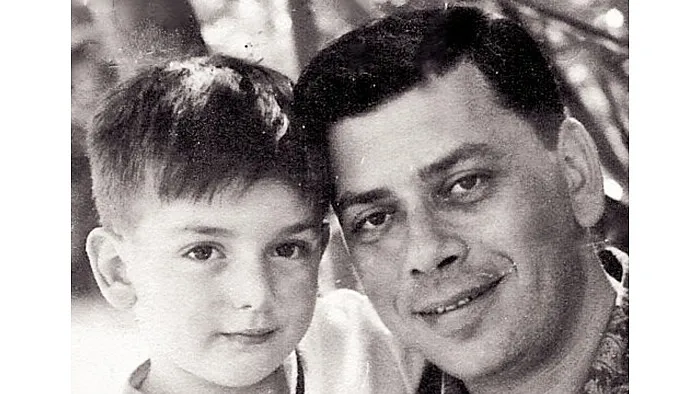
When Jeffrey Sherman came home from school in 1962 and mentioned his vaccine experience to his father Robert, something clicked. Within hours, Robert Sherman had transformed that small, ordinary moment into "A Spoonful of Sugar" — a song that would become one of the most recognizable melodies in cinema history. "My dad looked at me and started shaking his head," Jeffrey recalls. It's the kind of creative spark that reminds you how the best ideas often arrive unannounced, buried in everyday conversation.
The Sherman brothers — Robert and Richard — understood something essential about storytelling: the right song doesn't just accompany a story, it becomes the story. When their compositions wrapped around P.L. Travers' Mary Poppins in the 1964 film, they didn't just add music. They created a portal. Sixty years later, audiences still hum "Supercalifragilisticexpialidocious" and "Chim Chim Cher-ee," not because the songs are catchy (though they are), but because they capture something true about wonder and discipline coexisting in one exasperated nanny.
The Music Comes Back
Now the Mary Poppins musical is returning to stages, and the work of resurrecting these melodies has fallen to a new generation of musicians who face a delicate challenge: honor what made these songs timeless without treating them like museum pieces.
We're a new kind of news feed.
Regular news is designed to drain you. We're a non-profit built to restore you. Every story we publish is scored for impact, progress, and hope.
Start Your News Detox"The challenge is to stay true to the spirit of the original while finding new ways to engage the audience," says musical director Emily Grishman. "We want to capture the same sense of magic and wonder that captivated audiences decades ago."
It's not about rewriting the Sherman brothers' work. It's about remembering why it mattered in the first place. The orchestrations have been carefully reworked to preserve the whimsy and sophistication of the original score, while the ensemble of singers and instrumentalists brings a freshness that speaks to audiences who may be experiencing these melodies for the first time — or rediscovering them as adults.
When the curtain rises on Cherry Tree Lane, something remarkable happens: a song written in response to a childhood conversation about a vaccine becomes, once again, a shared experience. The music carries the same weight it always did — infectious rhythms, soaring harmonies, the unmistakable sound of creativity that knew exactly what it was doing.
The return of Mary Poppins reminds us that the best art doesn't age. It waits. And when the moment is right, it returns to do what it always did: transport us somewhere we didn't know we needed to go.