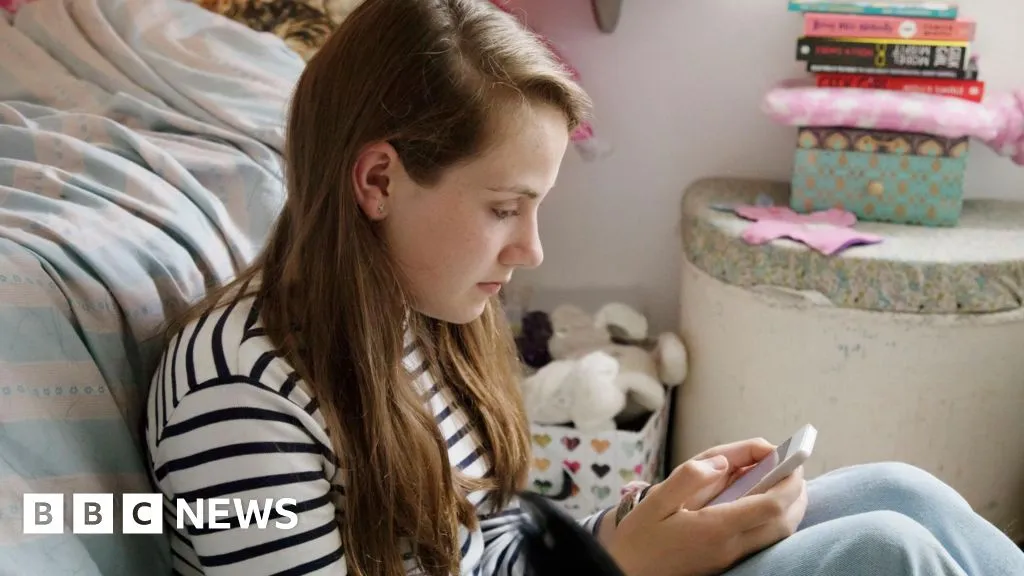
Prime Minister Keir Starmer has committed to moving fast on protecting children from the deliberate design tricks that keep them scrolling. The government will launch a public consultation in March on restricting children's access to AI chatbots and removing features like infinite scroll — the endless feed designed to hook users for hours.
What makes this different from typical policy announcements: Starmer says the government won't wait years for new legislation. Instead, it plans to create legal powers that allow "immediate action" based on what the consultation finds. "Technology is moving really fast, and the law has got to keep up," he said. "With my government, Britain will be a leader, not a follower, when it comes to online safety."
The specifics
The consultation will examine several concrete measures. Auto-play features that automatically start videos would be restricted. VPNs used to bypass age restrictions on pornography would face new limits. Chatbots would be required to protect users from illegal content. The scope is narrow enough to be actionable, broad enough to matter.
We're a new kind of news feed.
Regular news is designed to drain you. We're a non-profit built to restore you. Every story we publish is scored for impact, progress, and hope.
Start Your News DetoxStarmer, speaking as a parent of teenagers, acknowledged what most families already know: children's social media use is top-of-mind worry for millions of parents right now. The government is betting that naming the specific mechanisms — the infinite scroll, the auto-play — rather than just saying "social media is bad" will resonate with both parents and tech companies.
One measure already in motion addresses a different kind of harm. New rules will require social media platforms to preserve a child's data within five days if it's relevant to their cause of death. This comes from the "Jools' Law" campaign, started by Ellen Roome after her 14-year-old son died. Currently, data can be requested within 12 months of death, but companies often delete it before families can access it. "This going forward will help other bereaved families," Roome said. "What we now need to do is stop the harm happening in the first place."
The pushback
Some critics argue the government is moving too slowly. Opposition figures and the Liberal Democrats have called the consultation announcement "inaction," pointing out that other countries have already moved on age-restriction bans. The tension is real: a consultation takes time, but families need protection now.
Technology Secretary Liz Kendall countered that the government is "determined to give children the childhood they deserve" and will "not wait" to implement findings. The March consultation will be the test of that promise.
What happens next matters less than whether the government actually enforces what it's proposing. The addiction mechanics of social platforms are well-documented — infinite scroll, algorithmic feeds designed for engagement, notifications timed to pull users back. Whether new legal powers can meaningfully restrict them without breaking the business models behind them remains an open question. But naming the problem specifically, and committing to move faster than legislation typically allows, marks a shift in how governments are approaching the issue.