Twenty-five million Americans wake up to phantom sounds — ringing, buzzing, hissing — that no one else can hear. Tinnitus has no cure, which means most people learn to live with it. But a device called Lenire is changing what "living with it" actually means.
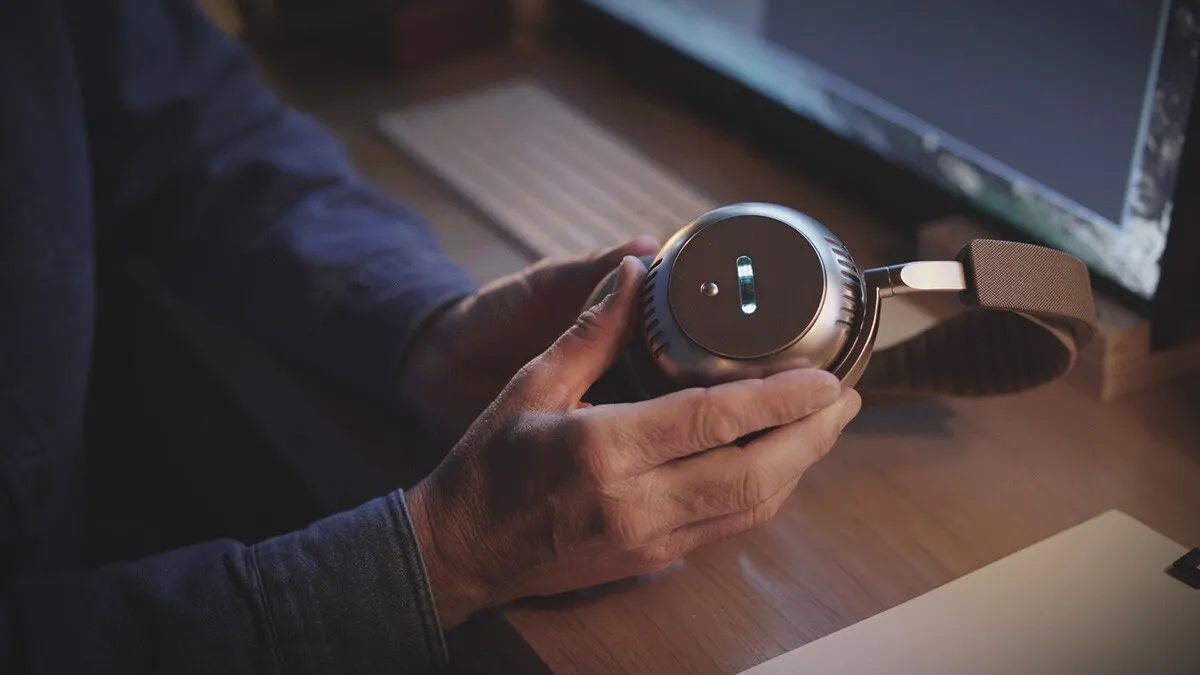
The approach is oddly simple. A plastic mouthpiece fitted with stainless steel electrodes touches your tongue during hour-long sessions. Paired headphones play tones and ocean-wave sounds. The electrodes stimulate nerve pathways while your brain processes the audio, essentially retraining your attention away from the phantom ringing and toward actual external sounds.
The results from early studies are striking. In a recent trial, 72.6% of patients with bothersome tinnitus experienced a clinically meaningful reduction in symptoms after just six weeks. By week twelve, that number climbed to 81.8%. Overall, 91% of users reported significant symptom reduction.
We're a new kind of news feed.
Regular news is designed to drain you. We're a non-profit built to restore you. Every story we publish is scored for impact, progress, and hope.
Start Your News DetoxRichard Bistrong, a patient who used Lenire, described the shift plainly: "I went from debilitating, almost catastrophic tinnitus, that required medication to treat the depression and anxiety, to being able to enjoy life again after four months." That's not hyperbole for many people with severe tinnitus — the constant noise drives genuine depression and sleep loss.
The barrier right now is cost. At $4,000 out-of-pocket for uninsured users, Lenire isn't accessible to everyone. Insurance coverage varies, and that price tag will keep many people from trying it. But the fact that a non-pharmaceutical, non-surgical option is working at all — and working this consistently — matters. For decades, tinnitus treatment options were thin. Hearing aids helped some people. Cognitive behavioral therapy helped others. But nothing addressed the core problem directly.
Lenire does something different. It doesn't mask the sound or suppress it chemically. It rewires how your brain processes it. That distinction is important because it suggests the effect could be durable — that your brain, once retrained, stays retrained.
The next phase is wider access. As more insurers evaluate the evidence and manufacturing scales up, the per-unit cost will likely drop. Clinical trials are also expanding, which means we'll know more about which patients benefit most and whether the effect holds up over years, not just months.