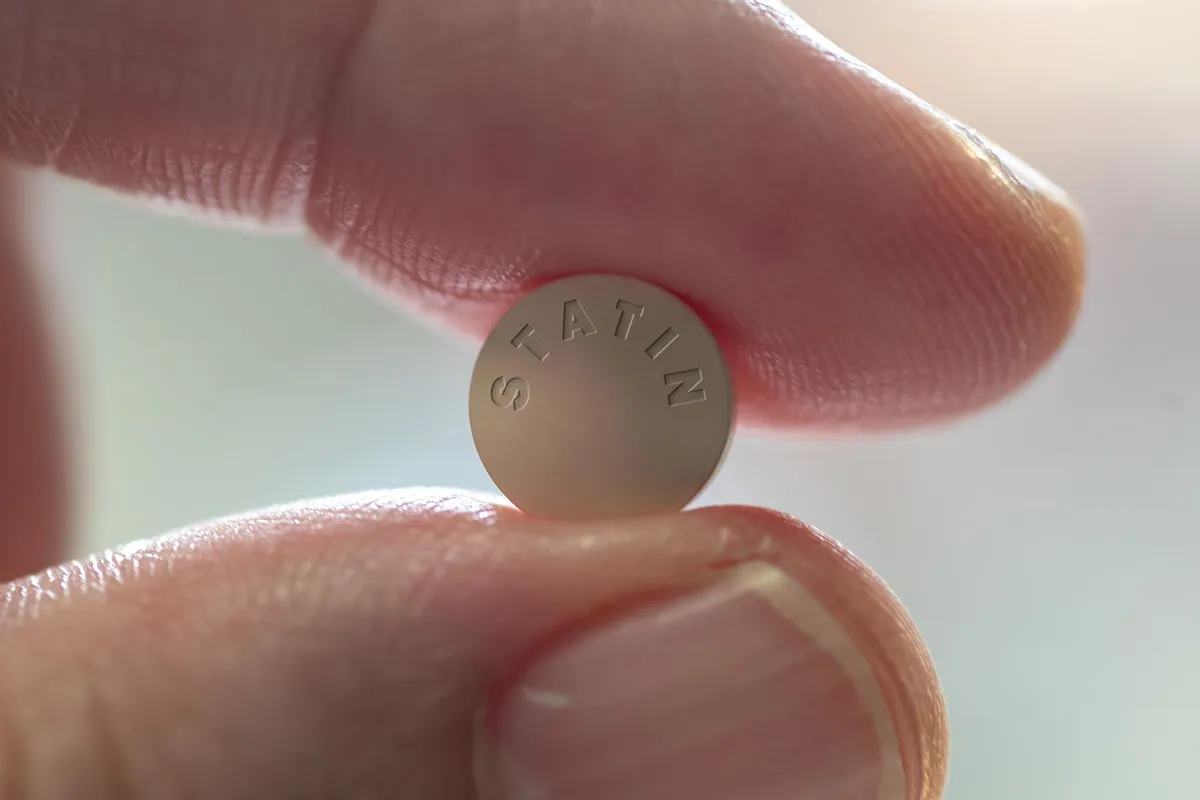
Millions of people skip doses or avoid statins altogether because they're worried about side effects that probably won't happen to them. A major review in The Lancet just gave those fears a reality check.
Researchers analyzed data from over 120,000 people across multiple trials and found that statins — the cholesterol-lowering drugs used by roughly one in four adults over 40 in the UK — cause far fewer problems than their packaging suggests. The long list of warnings about memory loss, depression, sleep trouble, weight gain, and sexual dysfunction? Almost none of those showed up in the evidence.
What Actually Happens
Out of the dozens of possible side effects listed on statin packaging, only four were genuinely linked to the medication, and even then, only in a small fraction of people: minor changes in liver tests, rare urine changes, and tissue swelling. There was no sign of serious liver disease or failure — the liver test changes were essentially harmless. The only effects worth taking seriously are rare muscle damage and a small increase in blood sugar that might trigger diabetes sooner in people already at risk.
We're a new kind of news feed.
Regular news is designed to drain you. We're a non-profit built to restore you. Every story we publish is scored for impact, progress, and hope.
Start Your News DetoxThat's a much smaller problem set than most patients assume when they read the label.
The gap between perception and reality matters because it's literally costing lives. Prof. Christina Reith, who led the review, points out that anxiety about side effects has kept many people from taking statins even when they'd benefit from them. Prof. Rory Collins, a senior author, is blunt about it: the information patients and doctors receive needs to change fast, because people are making decisions based on outdated or overblown fears.
This isn't to say statins are risk-free — no medication is. But the research is clear: for people who need them to prevent heart attacks or strokes, the actual risks are small. The bigger risk is avoiding them.
The hope now is that clearer, more accurate information about statin safety will reach patients and their doctors, so the people who could genuinely benefit from the medication aren't scared away by ghosts in the fine print.