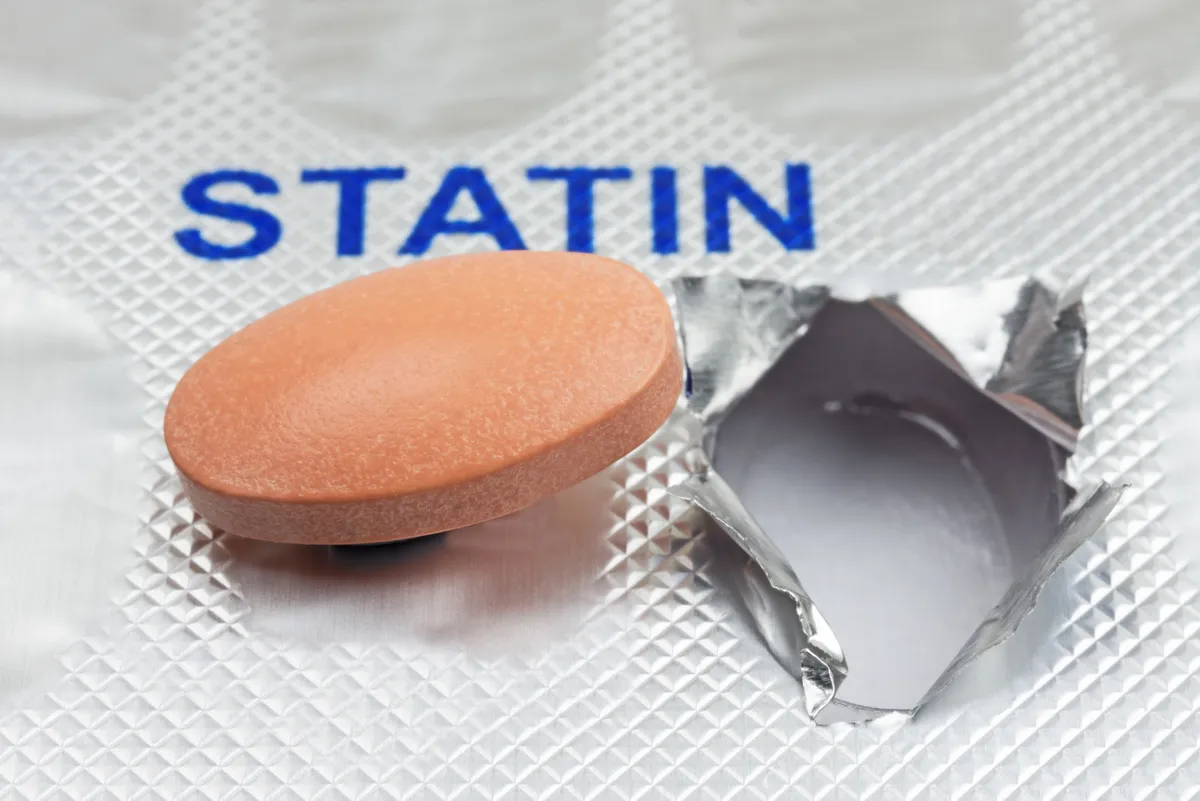
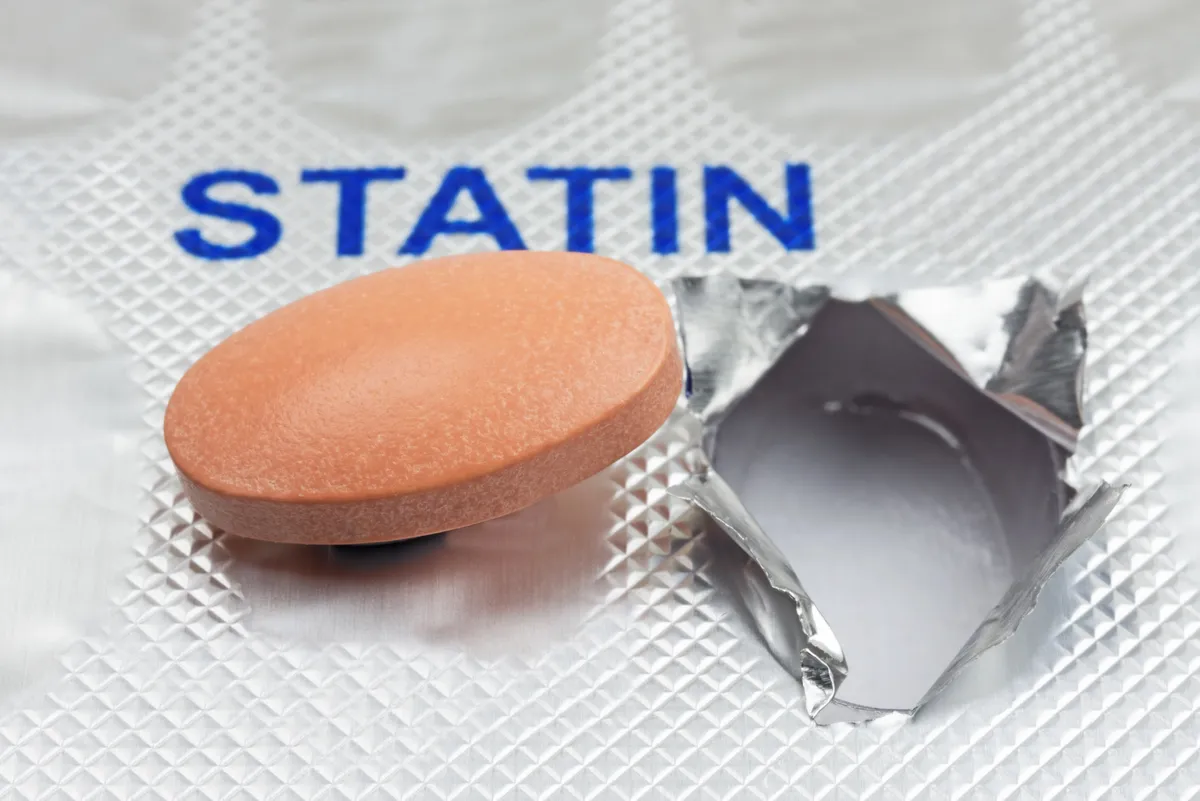
A new study shows that statins can lower the risk of heart attacks in healthy adults over 70. This trial lasted ten years and involved nearly 10,000 people. It found that taking statins daily cut the risk of a first major heart problem by 30%.
The study also found no major increase in serious side effects. This research was published in the New England Journal of Medicine. It was also shared at the European Society of Cardiology Congress.
Filling a Research Gap
Monash University researchers in Australia led this trial. It's the first study to test statins specifically for preventing heart issues in healthy adults over 70. This age group had not been part of earlier statin research. That research helped create today's prescribing rules.
We're a new kind of news feed.
Regular news is designed to drain you. We're a non-profit built to restore you. Every story we publish is scored for impact, progress, and hope.
Start Your News DetoxStatins are already widely used for adults under 75 who have certain risk factors. They are also given to patients of any age who have already had a heart event. But it was unclear if healthy adults over 70 should take them as a preventive measure.
This gap in knowledge existed for a few reasons. Forty years ago, heart disease was more common in middle-aged smokers. Public health efforts focused on that group. Older patients often had other health issues and took many medications. This made it harder to include them in trials.

Adjunct Professor Mark Nelson, a co-author from Monash University, explained the need for this study. He said, "Our society is ageing, and therefore the burden of disease is increasing, making it important to improve our ability to prevent disease in this group." He added that evidence was needed to see if statins work as a preventive measure for older adults.
Key Findings of the Trial
Nearly 3,400 doctors in Australia helped find participants for the study. People were excluded if statins were unsafe for them, if they didn't live on their own, or if they had already had a heart attack. Participants either took a daily statin or a placebo.
Statins lowered the risk of a first major cardiovascular event by 30%. This included heart attack, stroke, or heart surgery. For every 37 adults treated over almost six years, one major heart event was prevented.

The trial also found no major difference in dementia rates between the statin and placebo groups. This is important because some older patients avoided statins due to worries about a link to dementia. Professor Tom Marwick, a cardiologist, said these findings "really close the book on that, in large numbers."
Important Considerations
The trial did not find a difference in disability-free survival between the two groups. While statins reduced heart events, they did not extend life or improve its quality. Marwick noted, "We can reduce cardiovascular events, but the health burdens of ageing are less amenable."
More than 15% of participants stopped taking their medication during the trial. Also, almost all participants were white, with an average age of about 75. Professor James Chong, a cardiologist, pointed out that "the results may not be as generalizable globally without further supporting evidence."
What Comes Next
Lead researcher Adjunct Professor Sophia Zoungas hopes these findings will lead to new prescribing guidelines. She said, "What we hope to see, now that we have provided such strong evidence, are updated treatment guidelines to help clinicians make use of this new finding." For patients, the researchers suggest talking to their doctor about these results.
Deep Dive & References
Atorvastatin, Cardiovascular Events, and Disability-free Survival in Older Adults - New England Journal of Medicine, 2023