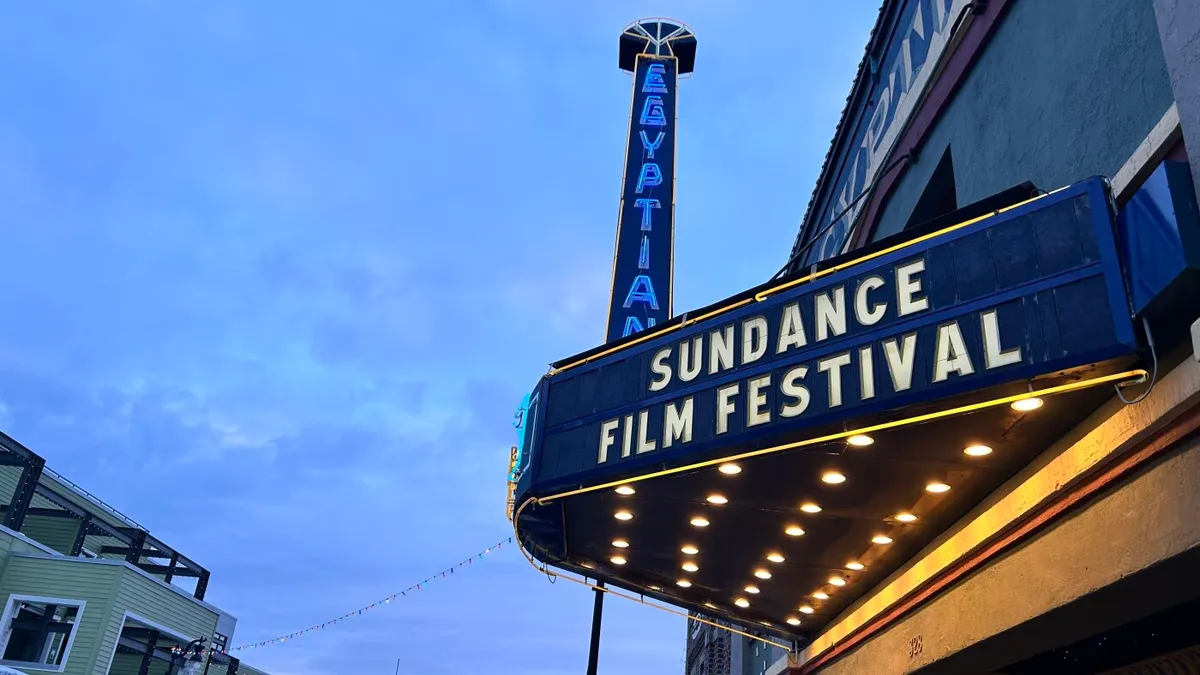
Robert Redford founded Sundance in 1978 with a simple belief: everybody has a story worth telling. This January, the festival holds its final edition in Park City, Utah before relocating to Boulder, Colorado—marking the end of an era and, in many ways, a reckoning with what made the festival matter in the first place.
Redford died in September at 93, and Sundance is planning a gala to honor him. But the real tribute isn't ceremonial. It's in the 40% of this year's slate coming from first-time directors—the same bet Redford made decades ago when he decided a ski town in Utah could become a launchpad for voices Hollywood wasn't listening to yet.
That gamble worked. Quentin Tarantino, Ava DuVernay, the Coen Brothers—they all premiered work here when nobody knew their names. Little Miss Sunshine, which screened at Sundance before earning an Oscar nomination, is being shown again this year as a reminder of what discovery actually looks like. A remastered print of Redford's own 1969 film Downhill Racer will also screen, a quiet acknowledgment that the founder never stopped believing in the artists he championed.
We're a new kind of news feed.
Regular news is designed to drain you. We're a non-profit built to restore you. Every story we publish is scored for impact, progress, and hope.
Start Your News DetoxThis year's lineup carries that same restless energy. Carousel brings together Chris Pine and Jenny Slate in a love story. Natalie Portman executive produced The Gallerist, a documentary premiering here. An ensemble piece called The Invite includes Olivia Wilde and Seth Rogen. These aren't the only stories—they're just the ones with names you recognize, which is partly the point. The festival's real power has always been introducing you to filmmakers you've never heard of.
Some of those filmmakers are taking extraordinary risks to be here. The Friend's House is Here, an Iranian drama, was smuggled out of the country amid political unrest. Its two lead actresses couldn't attend—they were denied U.S. visas. Their absence is a reminder that Sundance exists in a larger world, one where telling certain stories carries real consequences.
Producer David Permut, a festival regular since the late 1980s, describes Sundance simply: "For me, it's about discovery." That's the thread running through 46 years in Park City and into whatever comes next in Boulder. The location changes. The mission doesn't.
The move itself signals something worth watching. Sundance is betting that what made it work in a ski resort can work elsewhere—that the festival's power was never really about the place, but about the commitment to finding stories before anyone else does. Whether Boulder becomes the next Park City, or whether the festival's magic was always tied to those mountains and that particular moment in time, will become clear soon enough.