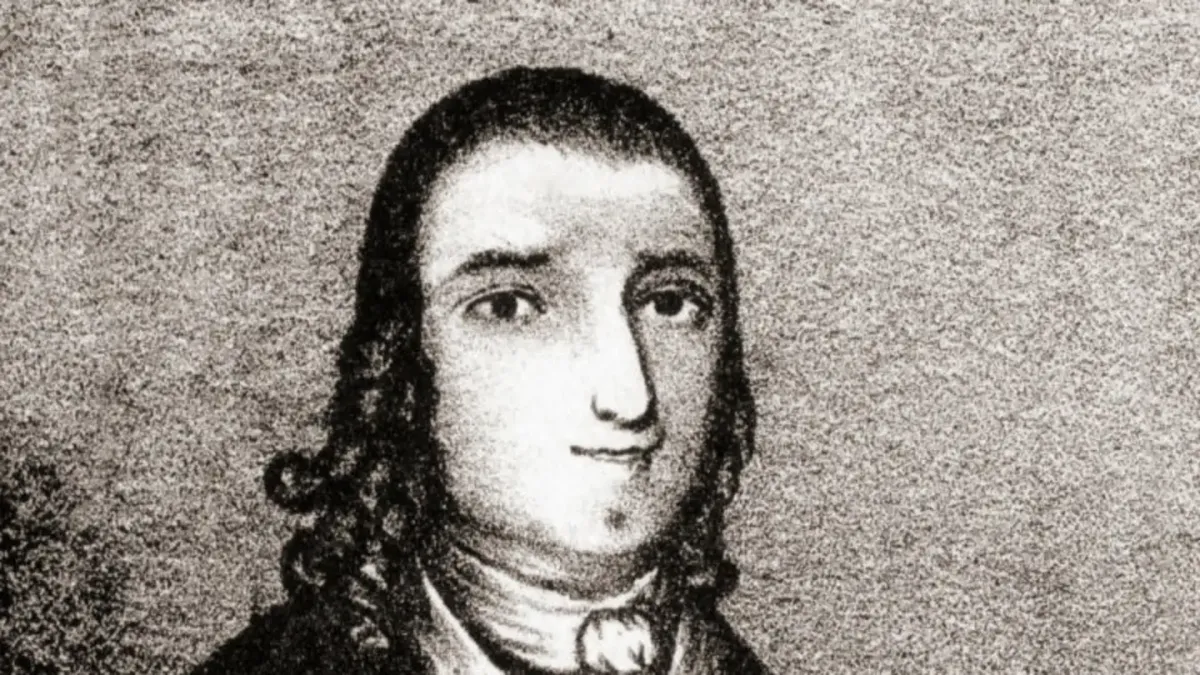
During the Revolutionary War, a person named Jemima Wilkinson fell into a coma with a fever. When they woke up, they announced that Jemima was dead.
Instead, they claimed a spirit from heaven now lived in their body. This spirit was sent to prepare people for the coming millennium. The spirit said it had no gender, as gender only applied to earthly humans. From then on, this person would be known as the Public Universal Friend.
How the Public Universal Friend Started a Movement
The Friend's revelations happened in 1776. This was a time of intense religious activity in America, known as the Great Awakenings. Quakerism was a major religion then, and traveling preachers were called Friends.
We're a new kind of news feed.
Regular news is designed to drain you. We're a non-profit built to restore you. Every story we publish is scored for impact, progress, and hope.
Start Your News DetoxAfter their awakening, the Public Universal Friend tried to speak at Quaker meetings. However, the Quaker Society of Friends removed the entire Wilkinson family because of the Friend's unique teachings. Still, the Friend began traveling the northeast United States with their siblings. They gathered followers who often called the Friend "Comforter" or "P.F."
A group called the Society of Universal Friends soon formed. They left behind Quaker traditions. Many members were former slaves, unmarried women, and others drawn to the Friend's promise of a place for everyone in heaven.
The Society of Universal Friends did not support slavery. They often convinced slaveowners who joined them to free their slaves. They also promoted celibacy and avoiding worldly temptations. The group advocated for free will and universal salvation, meaning all people would go to Heaven. They also supported generosity, hospitality, and gender equality.
Controversy, Later Years, and Legacy
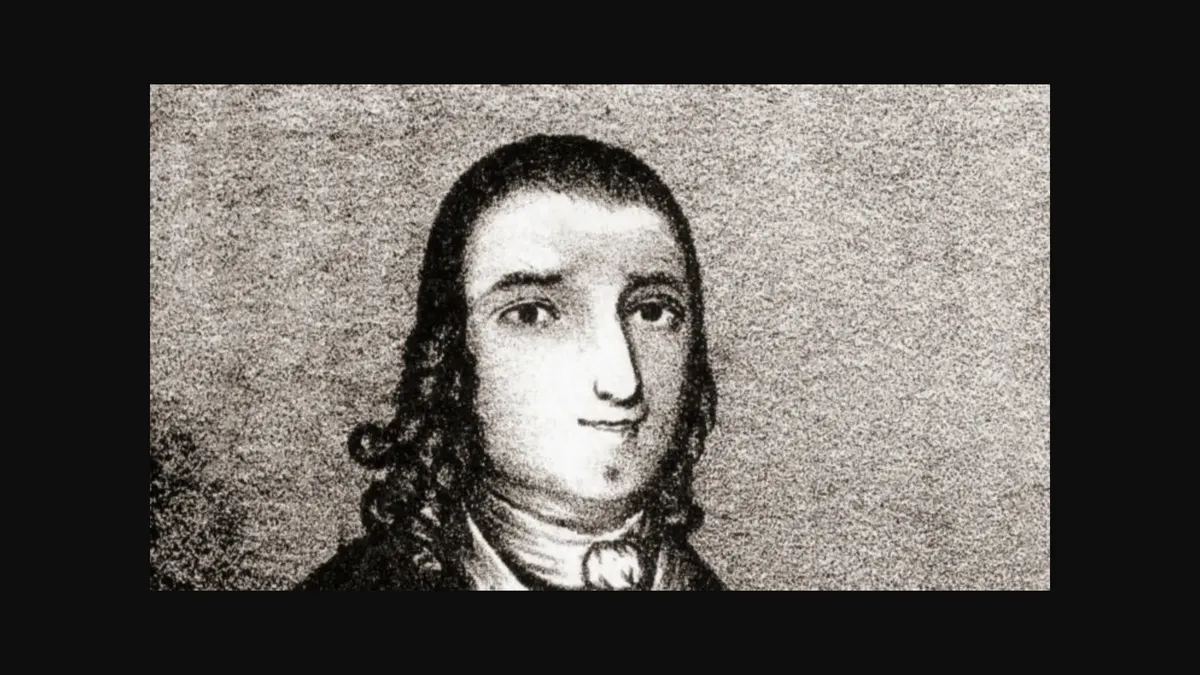
As the Public Universal Friend gained followers, newspapers focused on their gender presentation. When asked if they were a man or a woman, the Friend replied, "I am that I am." There was also controversy because many women held powerful positions in the Society of Universal Friends.
In the late 1780s, to escape this scrutiny, 25 members of the Society of Universal Friends bought land in upstate New York. It was near the Genesee River. About 300 people lived there when the Friend arrived in 1790. Later, the group moved to Jerusalem, New York.
This time had its problems. The group faced internal conflicts. At one point, former followers tried to have the Friend arrested for blasphemy. But the Friend escaped arrest on horseback.
Later, when the Friend appeared in court, the judge ruled in their favor. The judge decided that "blasphemy" in this context was not punishable by law. The judge then asked the Friend to give a sermon for the entire courtroom.
The Friend and some followers stayed in Jerusalem until the Friend's death in 1819. Without the Friend to unite them, and with property disputes, the group soon broke apart. Since then, the Friend's legacy has remained a topic of fascination, controversy, and admiration.