The devices we carry have already absorbed a dozen gadgets—cameras, flashlights, music players, calculators. Entertainment followed the same path into our pockets. In 2025, people watched more than 4 billion minutes of TikTok daily on their phones alone.
But screens are getting bigger again. This year's breakthrough innovations split between two directions: massive displays built to be watched from across a room, and intimate tools that make creation and listening more personal. Samsung's new TV technology uses physics most people have never heard of. Technics reimagined what magnetic fluid can do inside earbuds. Dolby figured out how to make surround sound work in actual apartments, not just demo rooms. Shure collapsed a recording studio into a single microphone. And LG solved one of OLED's longest-standing problems.
These aren't incremental tweaks. They're the kinds of shifts that reshape what we expect from the technology in our homes.
We're a new kind of news feed.
Regular news is designed to drain you. We're a non-profit built to restore you. Every story we publish is scored for impact, progress, and hope.
Start Your News DetoxBigger, brighter, more vivid
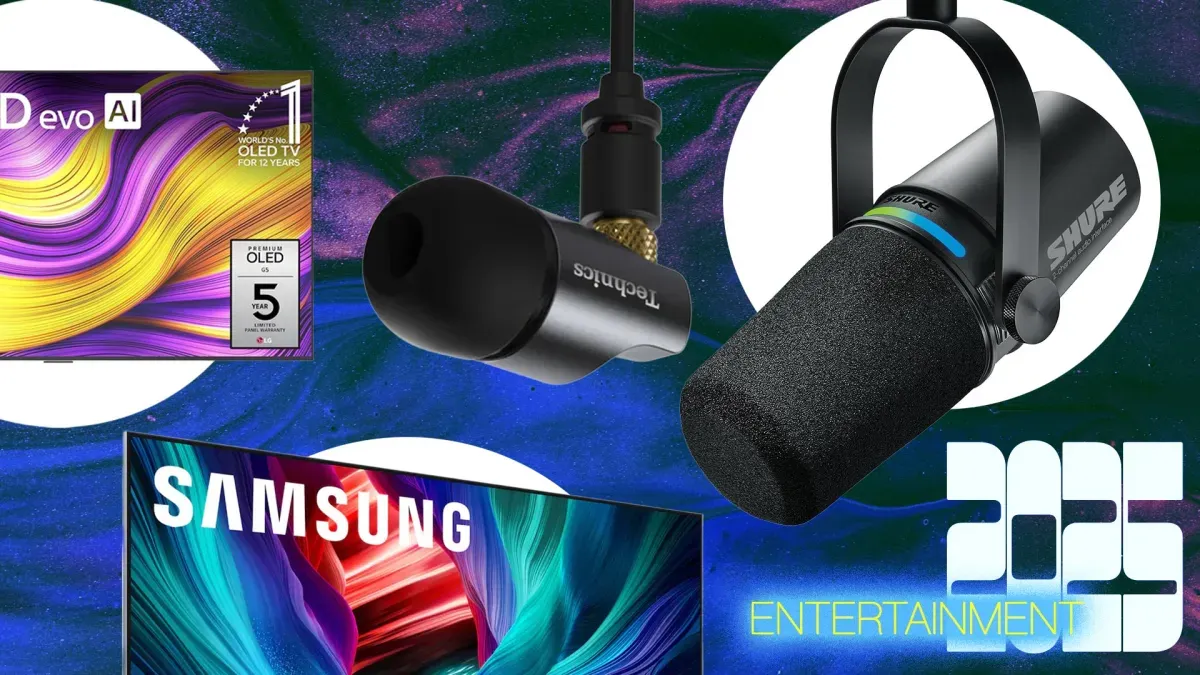
Samsung's Micro RGB TV hits differently in person than in photos. The colors are visceral—more saturated than typical OLED screens, with brightness that doesn't fade in bright rooms. The trick is architectural: each RGB emitter sits directly behind the panel and operates independently, letting the 115-inch 4K screen hit unusually wide color ranges while keeping blacks genuinely black and contrast knife-sharp. True Micro LED technology still lives in commercial installations. Micro RGB delivers nearly the same experience without needing professional setup, which means a screen this large that can show both deep blacks and vivid color in daylight reshapes what premium home theater can be—if the budget allows.
LG's G5 Evo OLED tackled OLED's biggest weakness: brightness in bright rooms. A new tandem RGB stack, revised light-emitting structure, and brightness booster push peak HDR highlights above 2,000 nits while keeping the near-perfect blacks that made OLED appealing. The α11 AI Gen2 processor handles 4K at up to 165 Hz, so the panel works for both daytime viewing and high-frame-rate gaming without resorting to washed-out LCD compromises. It's a reminder that OLED isn't a finished technology—it's still evolving, and the next few years of premium displays will keep pushing boundaries.
Sound engineered from the ground up
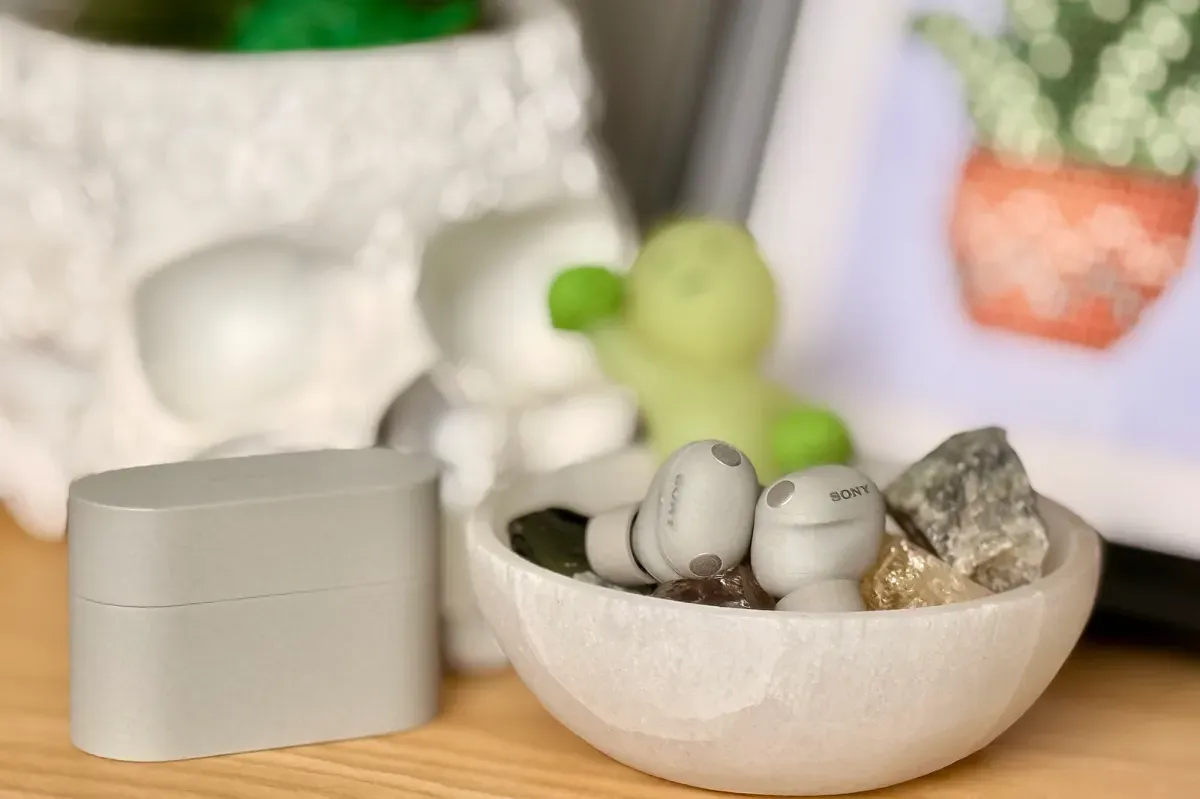
Technics' EAH-AZ100 earbuds use magnetic fluid—oil loaded with magnetic particles—between the voice coil and diaphragm. Instead of just cooling the driver, the fluid damps and centers its motion, cutting distortion and stabilizing the stroke, especially at low frequencies. Most earbud upgrades lately have come from software and digital signal processing. This one upgrades the transducer itself. Clean bass response down to 3 Hz while maintaining detail in the mids and highs shows single-driver designs still have room to improve, and hints that more unusual materials may show up inside everyday audio gear.
Dolby Atmos FlexConnect takes surround sound out of the installer's manual and into the real world. The TV listens for wireless speakers, figures out where they are in the room, and assigns channels and levels automatically. No symmetrical layouts. No manual calibration. The system identifies each speaker's capabilities and position, then divides Atmos height, surround, and dialogue information between the TV's own drivers and paired satellites. TCL's 2025 QD-Mini LED TVs and matching Z100 speakers are the first to ship with it, making Atmos-style setups closer to "plug it in and listen" than "become your own installer." It's still a closed ecosystem, but it points toward surround systems that adapt to cluttered apartments and real furniture instead of demanding a perfect demo room.
Creation tools that fit on a desk
The Shure MV7i two-channel microphone is already everywhere—the industry standard for podcasts and interview content. The new version works as a standalone podcast studio. Plug it into a computer via USB-C and you get the mic plus a combo XLR/¼-inch input on the back for a second microphone or instrument, with both channels appearing separately in Shure's MOTIV Mix software or your DAW. A solo creator can now record a host and guest, or voice and guitar, without hauling an extra interface box, power supply, and cables. Dual-channel recording from a single desktop mic lowers the barrier to making polished shows and music from small spaces, and shows how much traditional studio hardware can collapse into one device.
These innovations point in the same direction: making premium experiences more accessible, more adaptable, more human-scale. The next wave of entertainment technology isn't about adding more screens—it's about making the ones we have smarter, and the tools we use more capable.