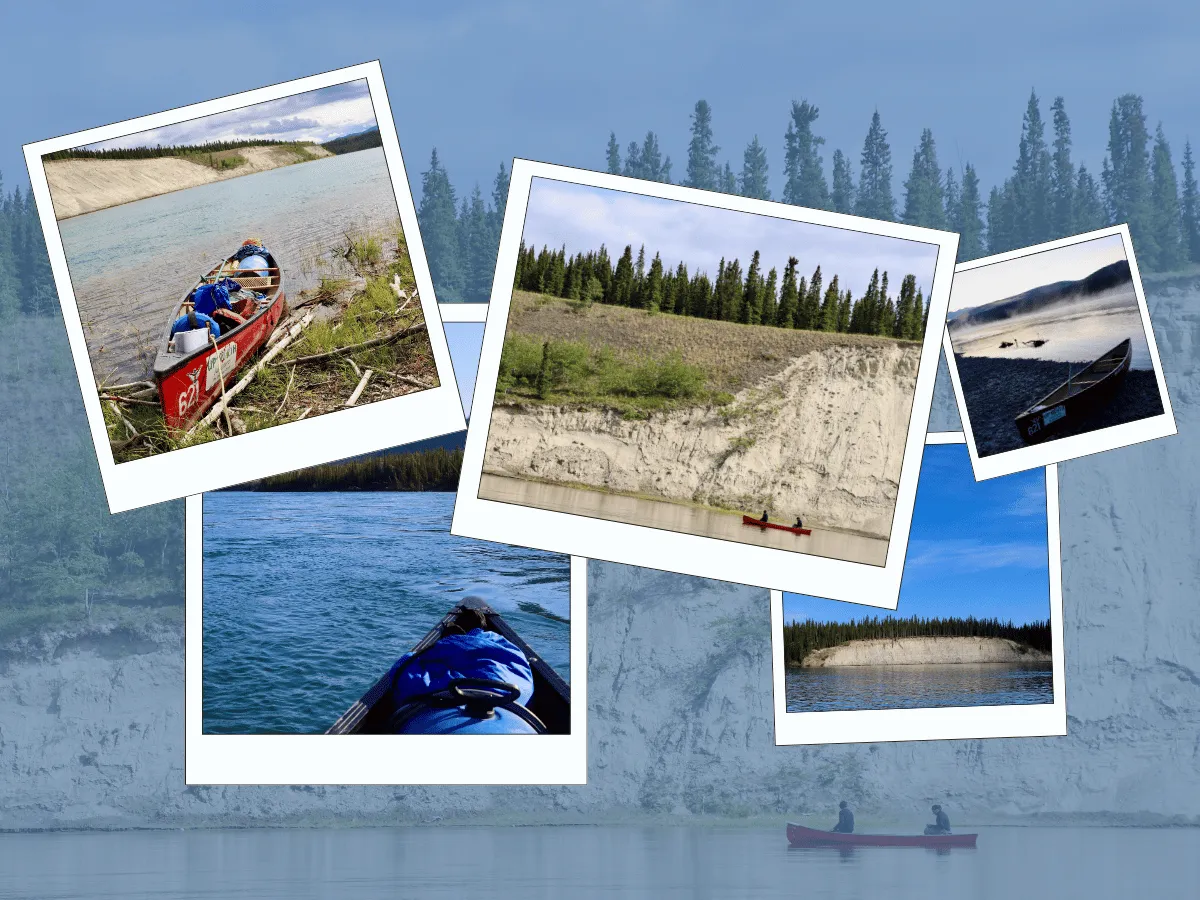
Picture this: You've got two unexpected weeks off. What do you do? Binge-watch something? Learn to bake sourdough? If you're Paul Firth, a Harvard Medical School professor, you decide to paddle 460 miles down the Yukon River. Oh, and you've never canoed before.
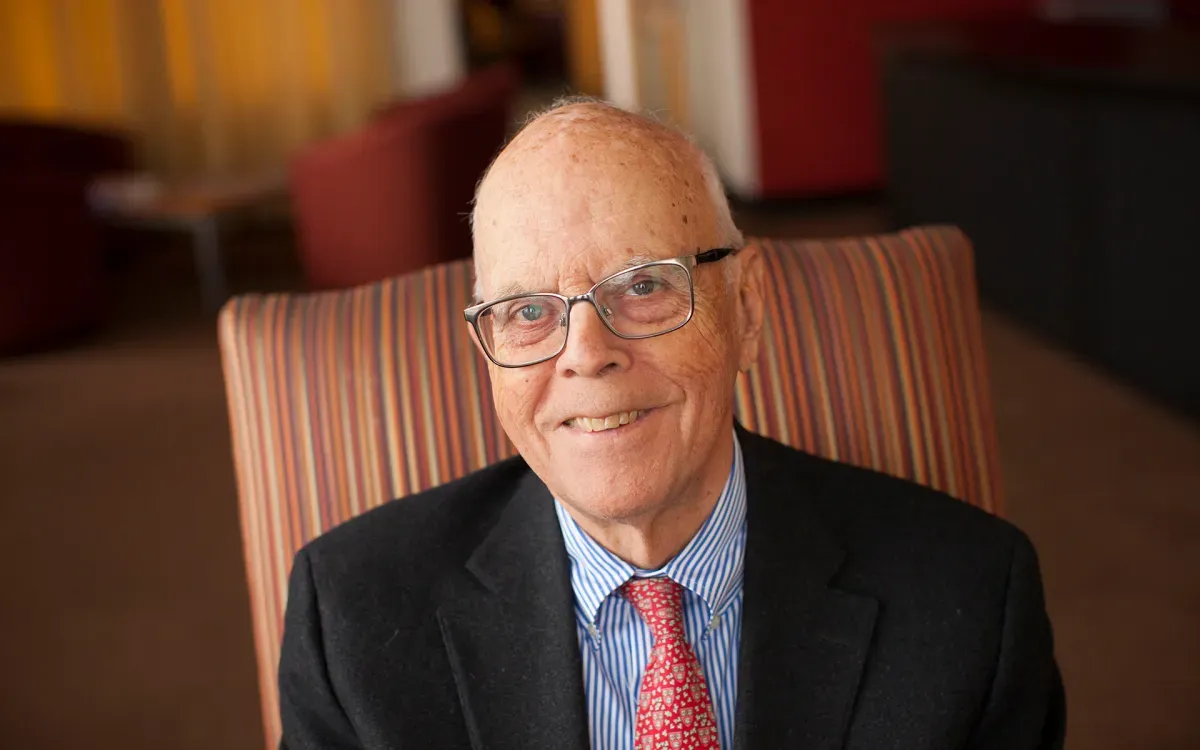
Firth, an experienced outdoorsman who's even led an Everest expedition, remembered a book about the Yukon. A 2,000-mile trip. "Let's just do it," he thought, opting for a slightly shorter, 460-mile jaunt from Whitehorse to Dawson City. Because apparently, that's what you do with sudden free time when you're a Harvard professor.
Learning the Ropes (or Paddles)
His logic for the no-canoeing experience? "I'd learn on the river." He figured if 100,000 gold rush prospectors could raft down these rivers without experience, he could certainly manage. He rented a canoe, grabbed a paper map, and arranged a ride back. Because even wilderness adventurers need a return ticket.
We're a new kind of news feed.
Regular news is designed to drain you. We're a non-profit built to restore you. Every story we publish is scored for impact, progress, and hope.
Start Your News DetoxThe first day was smooth. The second? Not so much. Lake Laberge decided to throw a tantrum, whipping up three-foot whitecaps. "Quite a lot when you're in a heavily laden canoe by yourself," Firth dryly observed. He wisely pulled ashore, setting up camp to wait out Mother Nature's mood swing.
He then settled into a routine: paddle all day, find a sandy beach, build a driftwood fire, and try to make canned goods taste like something gourmet. His smartwatch and phone? Dead. No internet. Just him, a paper map, and the sun for a clock. "It was quite nice," he noted, which is exactly what someone who's escaped the digital world would say.

Solitude and a Very Big Bear
The initial days were filled with the usual mental clutter of home worries. But then, a quiet descended. "After a couple of days, you have resolved all the things you were worried about, and you don’t think about them anymore," Firth explained. The biggest challenge, he found, was the sheer solitude. Imagine being that alone, for that long.
One particularly dreary day, after navigating some rapids, he hoped for human company at an old fort campsite. Instead, he found only ruins and silence. "I was alone under the trees, in the dark, at a ruined campsite." A perfectly deflating moment. But with no other option than downriver, he pulled himself together, built a fire, and got on with it.
The river, with its cliffs and forests, slowly worked its magic. He got "very much in tune with the slowness of time." Which sounds incredibly peaceful, right up until a bear casually strolled through his camp one evening.
"He was very nonchalant. I was definitely more ‘chalant,’" Firth quipped. "There’s no such thing as a small bear when you’re standing alone on a beach, and there’s nothing between you and the bear. He was very big." The bear, apparently unimpressed by Harvard professors, ambled off.
Firth arrived in Dawson City right on schedule, feeling so at home on the river he almost considered paddling another 1,500 miles to the Bering Sea. But a restaurant meal and the sight of other humans probably felt pretty good too. His takeaway? Once you shed the stress of the outside world, and stop worrying about coping, the wilderness is "quite relaxing and, in some ways, very meditative."
Just, you know, watch out for the nonchalant bears.