Before they were spinning rock anthems, the very first LPs weren't for music at all. They were invented to help blind people "read" books. Seriously cool.
Back in 1932, a guy named Frank L. Dyer at the American Foundation for the Blind (AFB) cooked up something called the "talking machine record." The idea was simple: record entire books so people who couldn't see could still enjoy stories and learn new things. This clever tech eventually became the blueprint for the modern LP record we all know.
Tony Stephens, who lost his sight at 15, remembers how big a deal this was. Learning braille was tough, but these "talking books" opened up a whole new world. He describes it as his "mind just exploded with all the information that was suddenly at your ears."
We're a new kind of news feed.
Regular news is designed to drain you. We're a non-profit built to restore you. Every story we publish is scored for impact, progress, and hope.
Start Your News DetoxTurns out, this invention is a perfect example of the "curb cut effect." That's when something designed to help people with disabilities ends up making life better for everyone. Think about those ramps on sidewalks – made for wheelchairs, but great for strollers and bikes too.
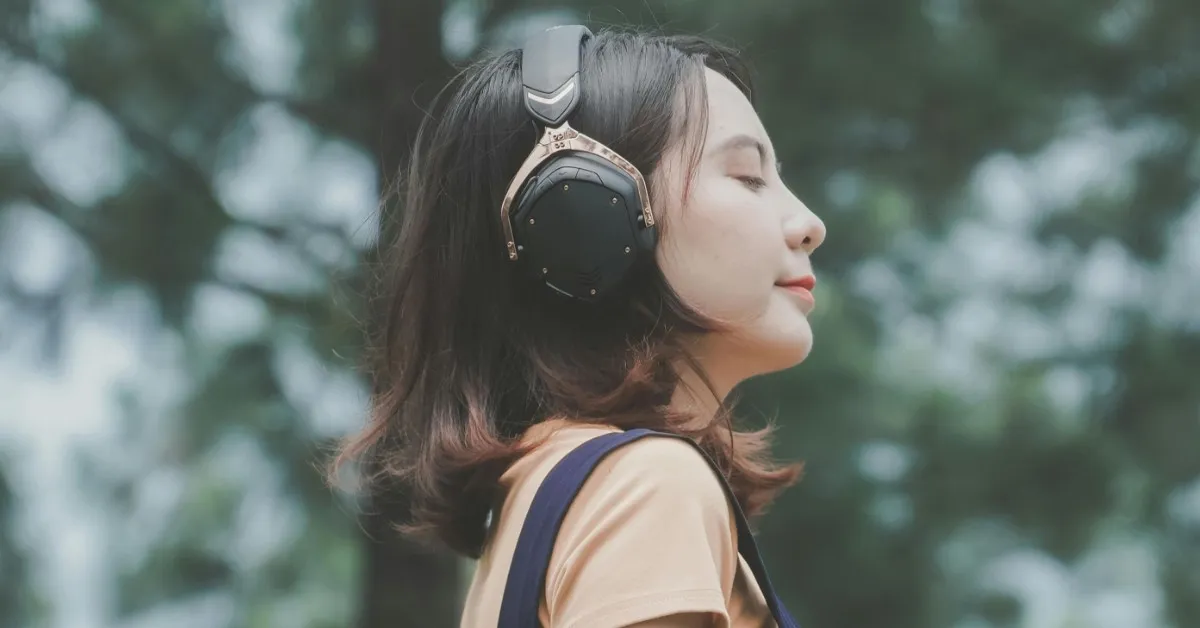
Now, audiobooks are everywhere. You've probably got a few on your phone right now. People listen on their commute, at the gym, or just chilling at home. Over the last ten years, the number of Americans listening to audiobooks has more than doubled.
It's a wild journey from a specialized record player for the blind to a global phenomenon. And it all started with a simple, brilliant idea to make stories accessible to everyone.