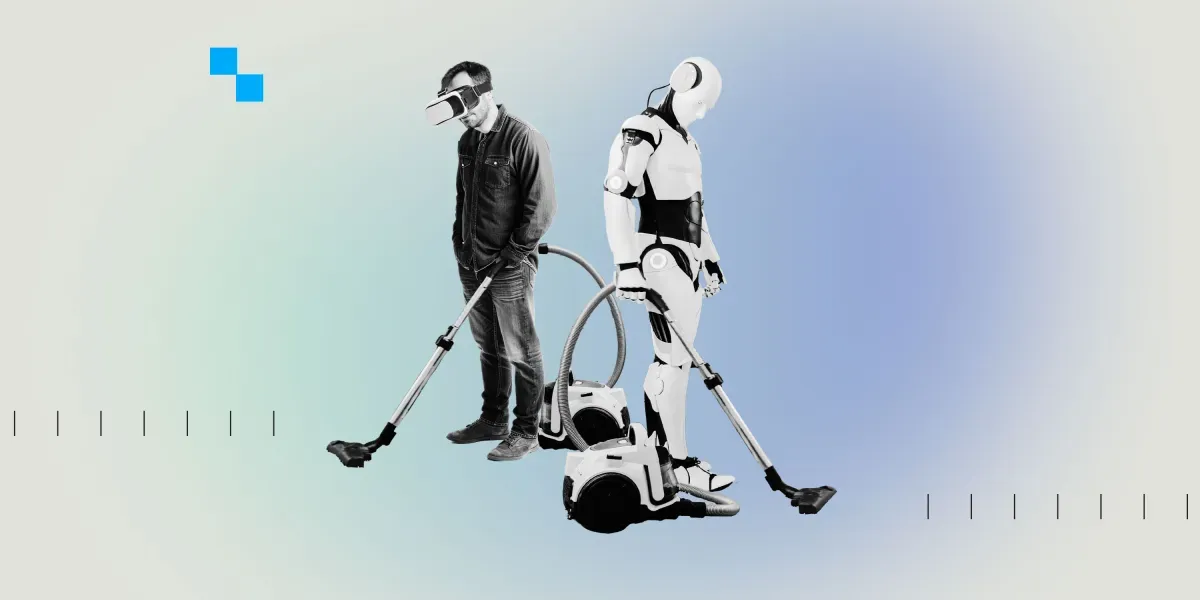
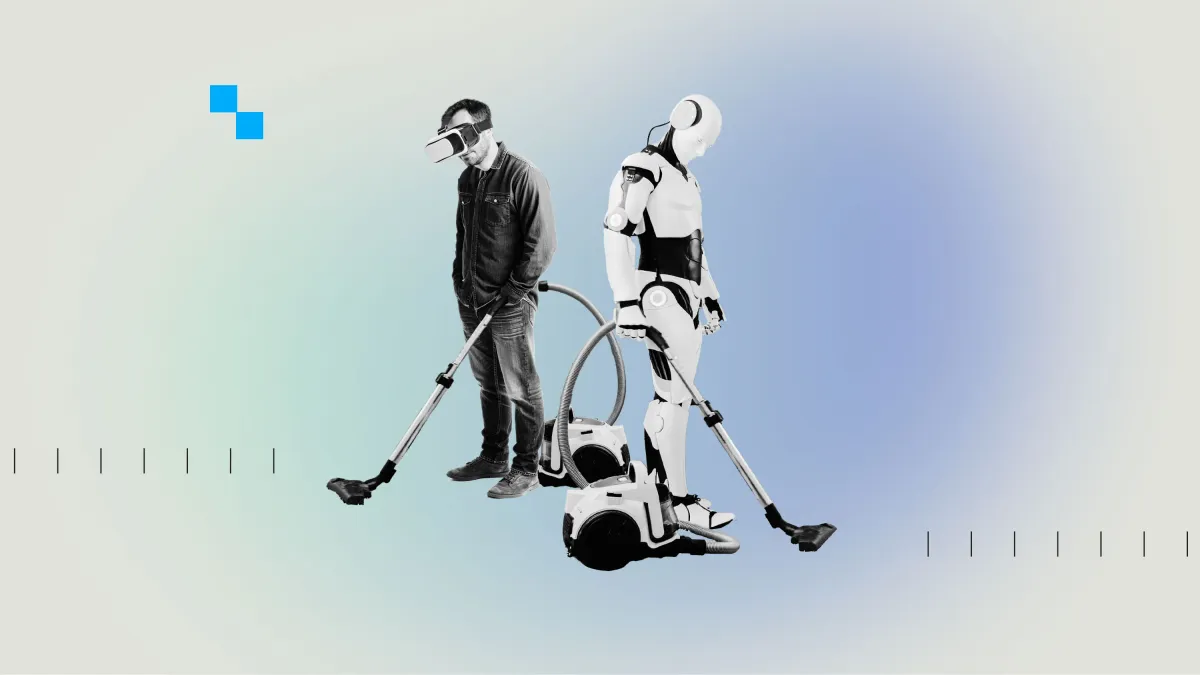
Medical student Zeus finishes his shifts in Nigeria, then straps his iPhone to his forehead. His mission? To slowly make his bed, keeping his hands perfectly in frame. He's not making a bizarre TikTok. He's training the next generation of humanoid robots.
Because apparently, that's where we are now. Companies like Tesla and Figure AI are in a frantic race to build robots that move and look just like us. And the secret sauce for teaching these metal marvels how to, say, fold laundry? Thousands of gig workers around the globe, filming their most mundane chores.
The Unseen Robot Army
Micro1, a US company, has quietly amassed a global army of data recorders across 50+ countries. Think India, Nigeria, Argentina — places with plenty of tech-savvy young people looking for work. These folks are paid to record themselves doing everything: washing dishes, cooking, and, yes, endless loads of laundry. For $15 an hour (a pretty sweet deal in many local economies), they're essentially ghost choreographers for our future robotic overlords.
We're a new kind of news feed.
Regular news is designed to drain you. We're a non-profit built to restore you. Every story we publish is scored for impact, progress, and hope.
Start Your News DetoxZeus, for example, found the gig on LinkedIn and YouTube. He's dreaming of being a doctor, but for now, he's spending hours ironing clothes, which he admits is "boring." He'd prefer a job that makes him think. Fair enough. Most workers use pseudonyms to discuss their work, because, like any good secret society, they're not really allowed to talk about it.
Why this bizarre human-robot collaboration? Because teaching a robot to pick up a coffee cup is surprisingly harder than building an AI that can write a novel. Large language models learned from mountains of text. Robotics, it turns out, needs mountains of real-world movement data. Simulations can teach a robot to do a backflip, but they can't quite nail the physics of grasping a slippery dish. So, real humans doing real chores it is.
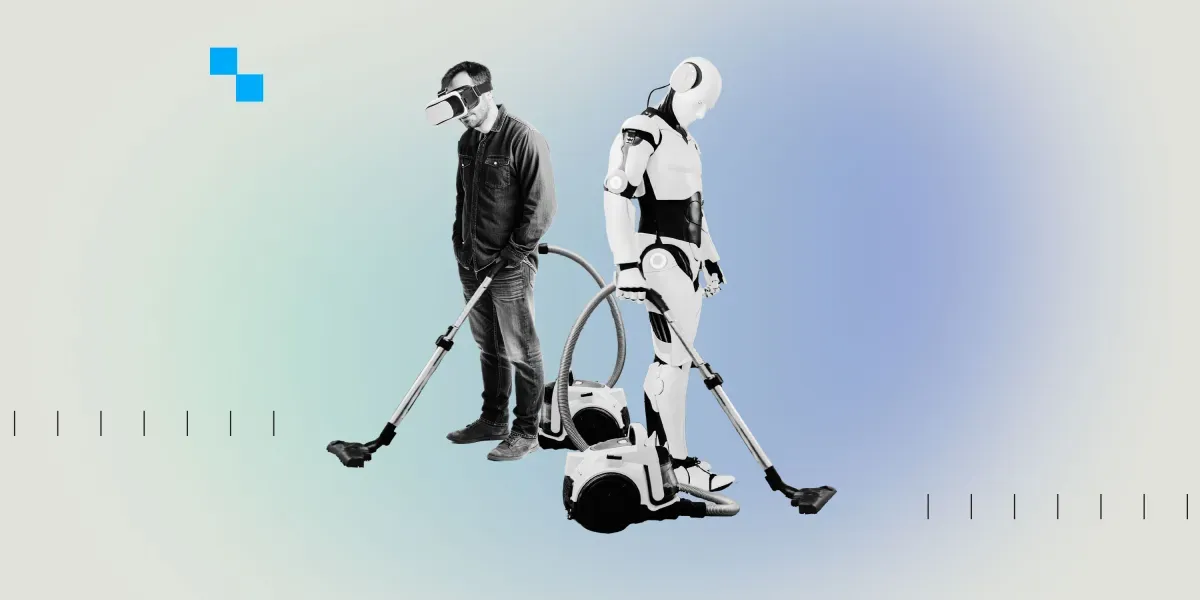
Investors are pouring cash into this problem, with over $6 billion spent on humanoid robots in 2025 alone. Micro1's CEO, Ali Ansari, estimates the real-world data market is already topping $100 million annually. DoorDash is even paying delivery drivers to film themselves doing chores. In China, some robot trainers are wearing VR headsets and exoskeletons to guide their robotic pupils. It's truly a global, slightly unhinged effort.
The Daily Grind (and Privacy Grind)
Becoming a robot sensei isn't easy. Micro1 workers are screened by an AI named Zara, then submit weekly videos of themselves doing chores. Instructions are strict: hands visible, natural speed. Both AI and humans review the footage, then another team labels every action. It's a new field, so everyone's still figuring out what good robot-training data even looks like.
The biggest challenge? Variety. Zeus, in his studio apartment, mostly irons. Arjun, a tutor in India, spends an hour brainstorming new chores for a 15-minute video. How many ways can one person fold a shirt, exactly?
Then there's the small matter of privacy. Micro1 tells workers not to show faces or personal info, and AI tries to scrub anything that slips through. But when you're filming your home, your possessions, your daily routines, how much can you really hide? Arjun, a father of two, constantly has to shoo his toddler out of frame. Sasha, a banker, tiptoes around her shared compound to avoid filming neighbors while hanging laundry. It's intimate stuff, all for the sake of a robot learning to make toast.
Workers know their data trains robots, but not how it's stored or shared. Micro1 keeps client and project details confidential. Some workers have even asked if their data can be deleted. Micro1 declined to comment, with Ansari simply stating that people choose to do the work and can stop anytime. Which, if you think about it, is both impressive and slightly terrifying.
Some roboticists even question the safety of this data. If robots learn from people's sometimes-clumsy home habits, could they pick up bad ones? Ansari says Micro1 rejects unsafe videos, and even clumsy movements can teach a robot what not to do. It's a learning curve for everyone, apparently.
So, as Dattu, an engineering student in India, repeatedly folds the same clothes on his tiny balcony, his family calls it "space technology." His friends are amazed he gets paid for chores. He juggles university, other gigs, and his robot-training duties. It's demanding, he says, but he feels like he's doing something unique. And honestly, who wouldn't want to tell that story at a dinner party?