If you've scrolled through TikTok's health corner lately, you've probably seen someone swearing that cutting out red meat or taking a herbal supplement cured their gout. Researchers just found that this viral wisdom is missing something crucial: the medications that doctors actually recommend.
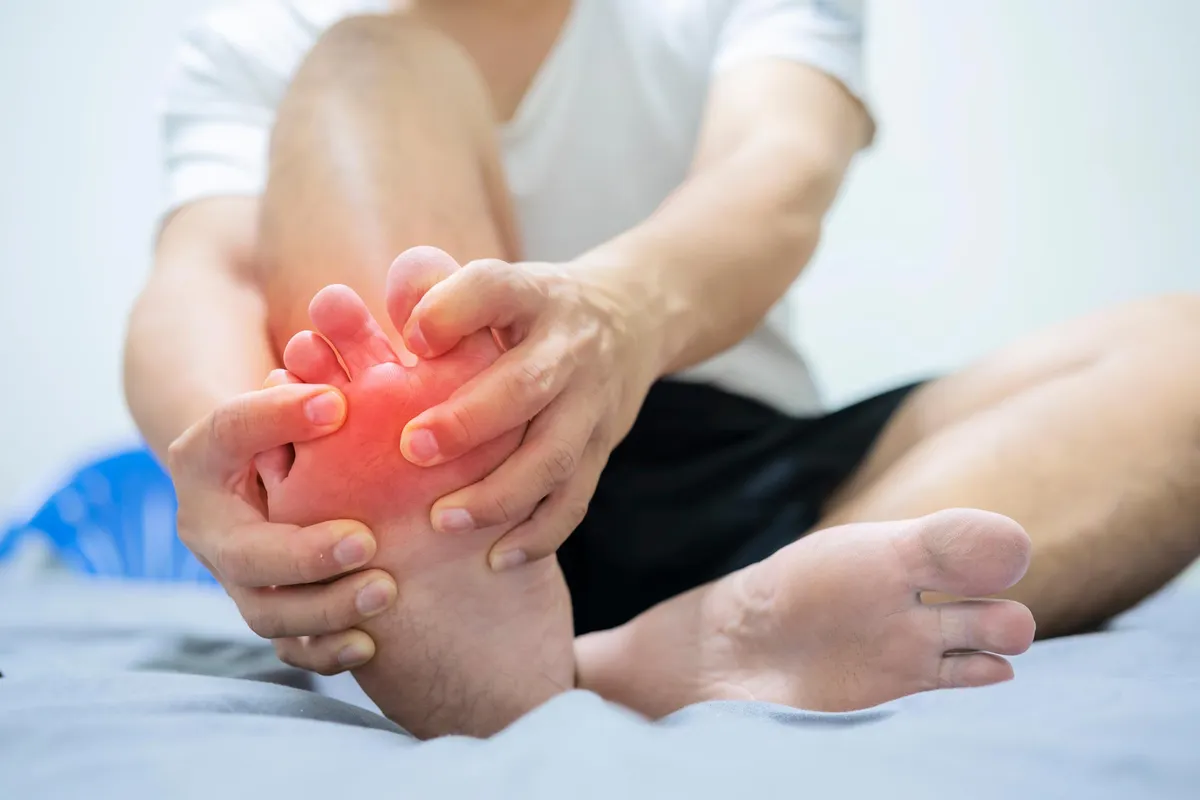
Gout affects about 41 million people worldwide — that's roughly one new diagnosis every five seconds. It's a form of inflammatory arthritis that hits suddenly, usually in the middle of the night, when urate crystals build up in your joints and trigger intense pain. It's real, it's common, and it's treatable. Yet many people with gout never achieve good long-term control, and TikTok might be part of the reason why.
Researchers analyzed the first 200 gout videos on TikTok's discover page and found a pattern: 79% offered advice on managing gout, but 53% of that advice centered on diet. Meanwhile, only 7 videos mentioned medications at all. Just two mentioned long-term urate-lowering therapy — the evidence-based treatment that rheumatologists consistently recommend as the gold standard.
We're a new kind of news feed.
Regular news is designed to drain you. We're a non-profit built to restore you. Every story we publish is scored for impact, progress, and hope.
Start Your News DetoxWhat TikTok Is Getting Right (and Wrong)
The platform's reach here is undeniable. About 70% of women aged 18 to 29 deliberately search for health information on TikTok, and 92% encounter health content without even looking for it. The videos come from real people — 27% are from gout patients themselves, 24% from health professionals. That authenticity matters. But it also means personal stories can overshadow clinical evidence.
The videos that went viral tended to focus on lifestyle fixes: avoid salt, skip alcohol, cut red meat. Some promoted supplements marketed as "pure herbs, no hormones, no side effects." Many included product links. The problem isn't that diet doesn't matter — it does. But diet alone rarely controls gout long-term. Genetics, kidney function, and body weight have far greater influence on whether someone develops gout in the first place. When TikTok frames gout as a condition you caused through your food choices, it can make people feel like personal discipline is the cure. It isn't.
The disconnect is stark. Rheumatology organizations have clear guidelines: long-term urate-lowering medications work. The evidence backs this up. But these medications barely appear in the viral conversation.
Where This Goes Next
The researchers who conducted this study see an opportunity, not just a problem. "TikTok has great potential as a tool to raise awareness," said lead author Samuela 'Ofanoa. "There is a need for more health professionals and organizations to seize the opportunity that social media platforms present, and create content that can counter misinformation."
In other words: the platform isn't the enemy. The gap is. If doctors, rheumatologists, and health organizations started sharing evidence-based gout content on TikTok — actual explanations of how urate works, why medication matters, what long-term control looks like — they could reach millions of people who are currently getting incomplete information. A 23-year-old with their first gout attack, scrolling at 2 a.m. in pain, shouldn't have to choose between viral advice and clinical guidelines. They should see both, and know which one actually works.