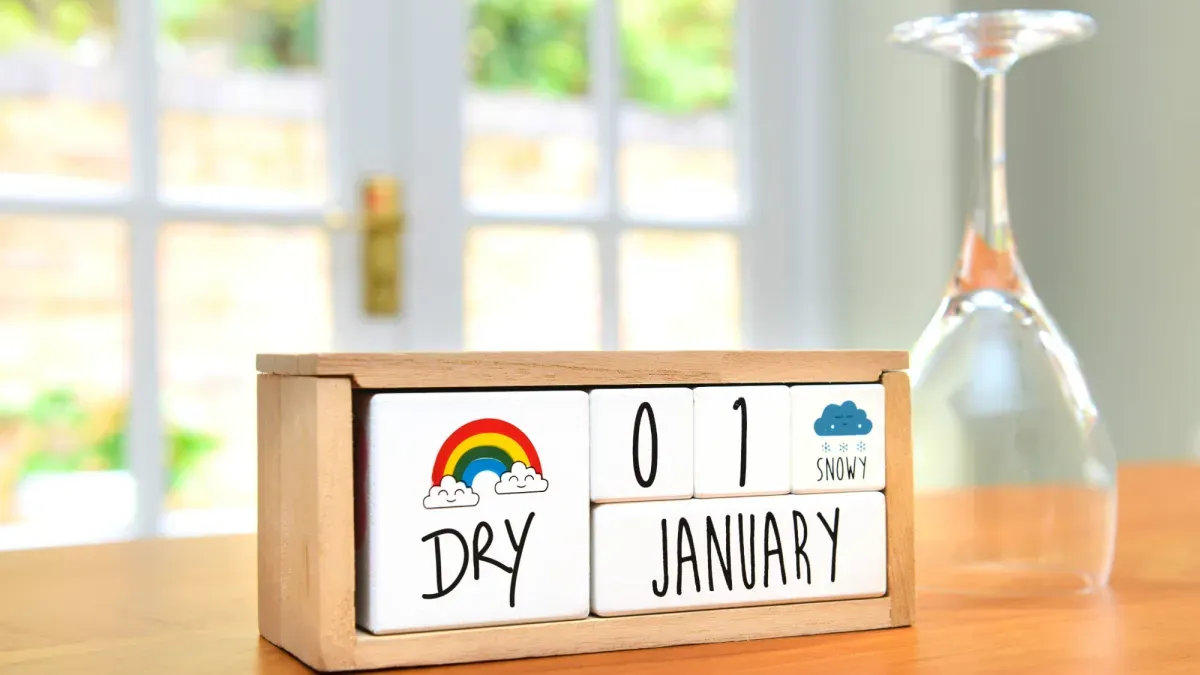
When Alcohol Change UK launched Dry January in 2013, about 4,000 people signed up. By 2025, that number had grown to 200,000 official participants—with countless more doing it quietly on their own. What started as a New Year reset has become something larger: a moment when the culture around drinking actually pauses.
But the real story isn't about the trend. It's about what happens inside the body when you stop.
Megan Strowger, a postdoctoral researcher at Brown University, led a review of 16 studies involving more than 150,000 participants. She and her team were looking for evidence of what one month away from alcohol actually does. What they found surprised even her: measurable changes across nearly every system that matters.
We're a new kind of news feed.
Regular news is designed to drain you. We're a non-profit built to restore you. Every story we publish is scored for impact, progress, and hope.
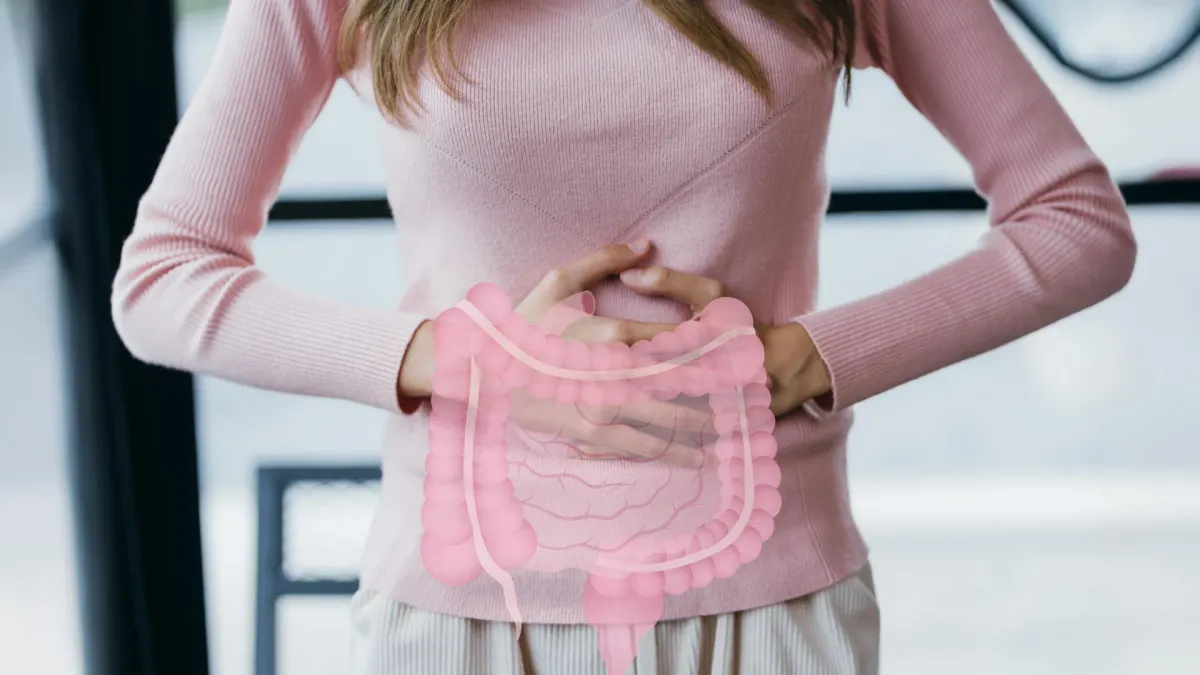
Start Your News DetoxParticipants reported better sleep. Their moods lifted. Blood pressure dropped. Liver fat decreased. Blood glucose improved, along with insulin resistance. Cancer-related growth factors declined. Weight came off. "Alcohol affects all aspects of the body," Strowger says. "I didn't think that much could change in the body after just one month."
The changes weren't temporary either. Six months later, people still reported better well-being and drank less overall. They also had a reduced risk of developing alcohol use disorder—a finding that suggests a month of abstinence can actually reshape how someone relates to drinking going forward.
Why this moment matters
About two-thirds of American adults drink in any given year. Alcohol plays a causal role in 200 known health conditions and remains one of the world's leading causes of preventable illness and death. For most people, these facts stay abstract—something true in general but not personally urgent.
Dry January works partly because it makes the choice concrete and shared. When 200,000 people are doing the same thing at the same time, it stops feeling like deprivation and starts feeling like participation. The research shows this social element matters. People succeeded more often when they had community support, used abstinence apps, or received encouraging emails from the campaign itself.
There's also something quietly radical about a month when alcohol's omnipresence in daily life—in celebrations, in stress relief, in social ritual—gets questioned out loud. The sober-curious movement has grown alongside Dry January, and the two reinforce each other.
What if it wasn't perfect
For anyone who didn't manage a completely dry month, the research offers permission to stop feeling guilty. People who participated imperfectly—what some call "Damp January"—still reported health improvements. The dose-response relationship holds: less drinking equals measurable benefit, even if you didn't hit zero.
"From my own experiences, those of my team, and then from doing this review, it shows that there are far more positives than negatives to participating," Strowger says.
If you've been wondering whether a month off would actually change anything, the evidence says yes—and the changes start fast.