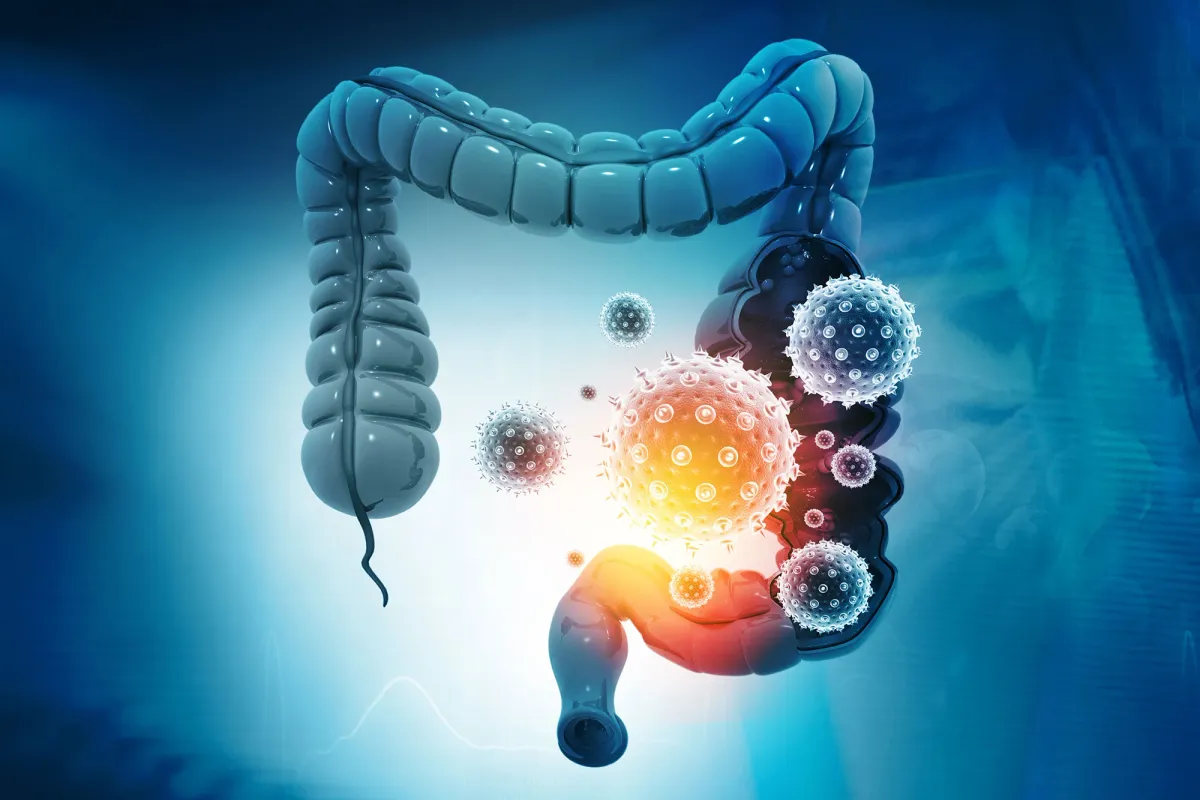
Scientists at Weill Cornell Medicine have traced a chain reaction in the body that helps explain why people with inflammatory bowel disease face a much higher colon cancer risk. The discovery centers on a single immune signal that travels from the inflamed gut to the bone marrow, setting off a cascade that ultimately creates conditions where tumors can grow.
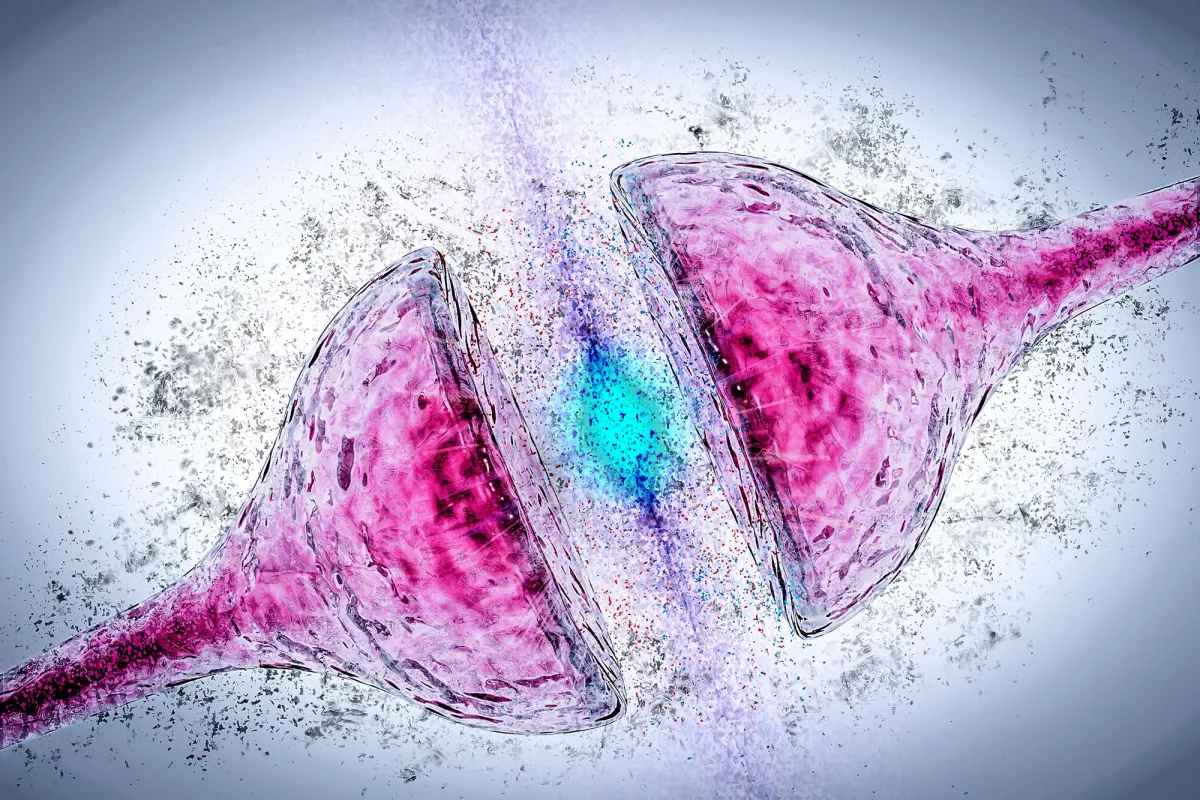
The culprit is a protein called TL1A, which is already known to be elevated in both IBD and colorectal cancer. What researchers didn't fully understand until now was exactly how it nudges the body toward cancer. In a study published in Immunity, they found that TL1A activates specialized gut immune cells called ILC3s, which then send out a distress call to the bone marrow: produce more neutrophils (a type of white blood cell) and send them here, now.
Those neutrophils arrive altered in ways that support tumor growth. They release DNA-damaging molecules and carry a distinct genetic signature linked to cancer initiation. "These findings are important given the intense interest in understanding TL1A's role in IBD and its potential role in associated colorectal cancers—for which we have had few strategies to mitigate the cancer risk," said study senior author Dr. Randy Longman.
We're a new kind of news feed.
Regular news is designed to drain you. We're a non-profit built to restore you. Every story we publish is scored for impact, progress, and hope.
Start Your News Detox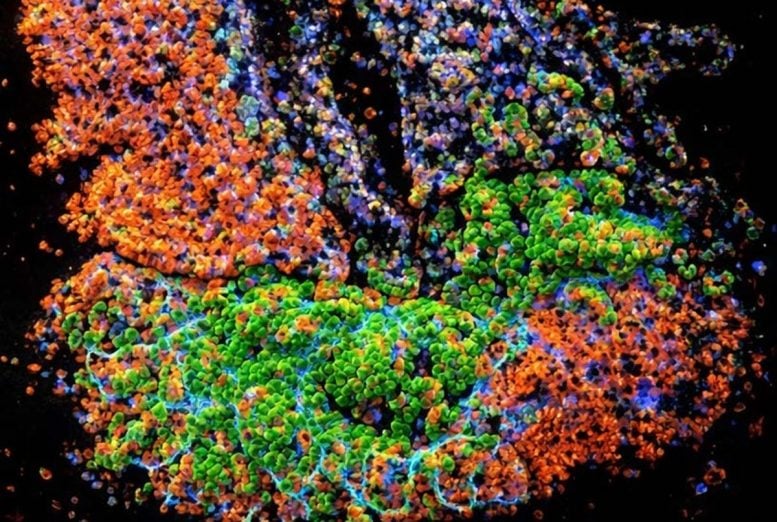
Why This Matters for IBD Patients
Inflammatory bowel disease—which includes Crohn's disease and ulcerative colitis—affects between 2.4 and 3.1 million Americans. Beyond the immediate digestive symptoms, IBD patients face a significantly elevated risk of colorectal cancer. Worse, when cancer does develop in IBD patients, it often strikes younger and with worse outcomes than in the general population.
Understanding the mechanism is the first step toward changing that trajectory. The researchers found that the immune signal starts in the inflamed gut itself. TL1A is produced by immune cells already present in the intestinal tissue of IBD patients. When it activates ILC3 cells, those cells release a molecule called GM-CSF that essentially tells the bone marrow to enter emergency mode—ramping up neutrophil production and sending them into the gut in large numbers.
In mouse models of intestinal cancer, simply increasing the number of these neutrophils was enough to accelerate tumor development. But here's where hope enters: when researchers tested an experimental drug that blocks TL1A, the tumor-promoting genetic pattern in neutrophils became less pronounced. This suggests the pathway can be interrupted.
Multiple Points of Intervention
The findings open several potential treatment angles. Blocking TL1A itself is already in clinical trials for IBD. But the research suggests that ILC3 cells, GM-CSF, and the neutrophils themselves could all become targets for new therapies designed to treat IBD while simultaneously reducing cancer risk.
Dr. Sílvia Pires, the study's first author, notes that this systemic process—linking gut inflammation to bone marrow activity—could reshape how doctors approach IBD treatment. "There is a systemic process at work here, involving both the gut and the bone marrow, with the potential to drive precision medicine in IBD," she said.
The team is now exploring whether early exposure to GM-CSF might prime bone marrow cells in ways that increase IBD risk over time, a finding that could open new avenues for prevention before symptoms even begin.