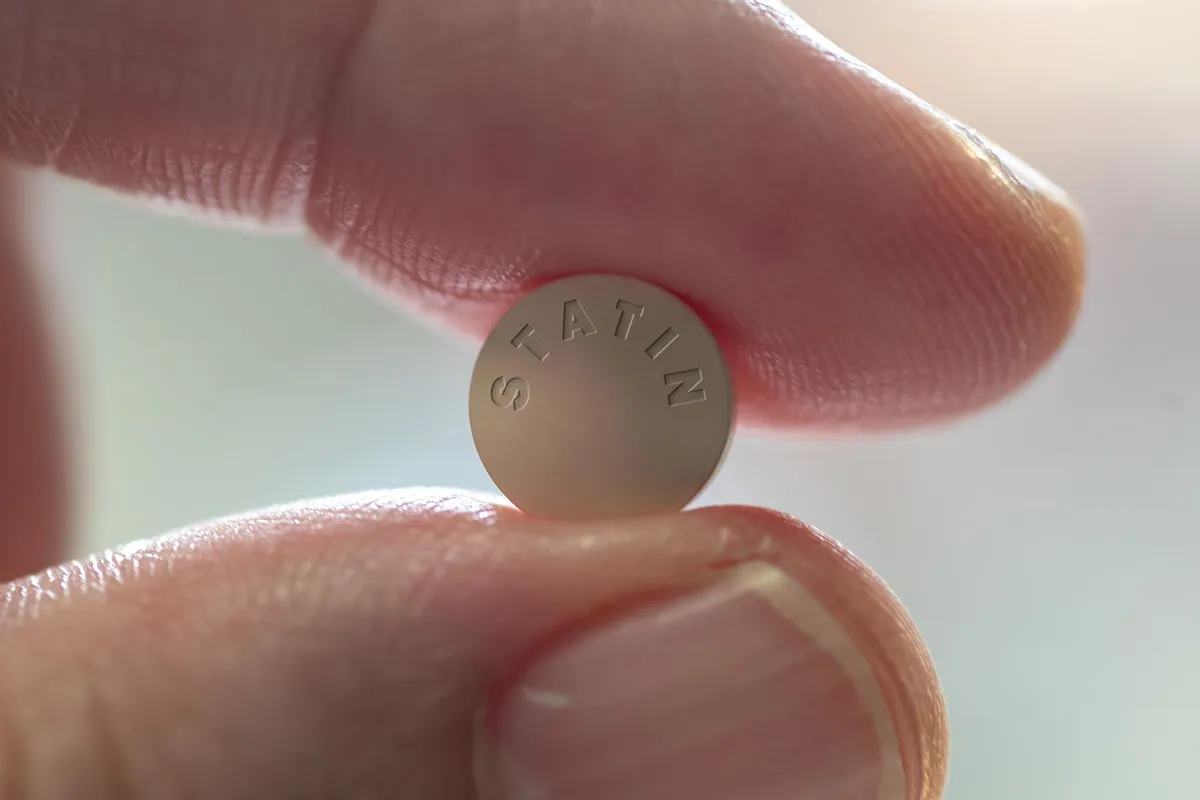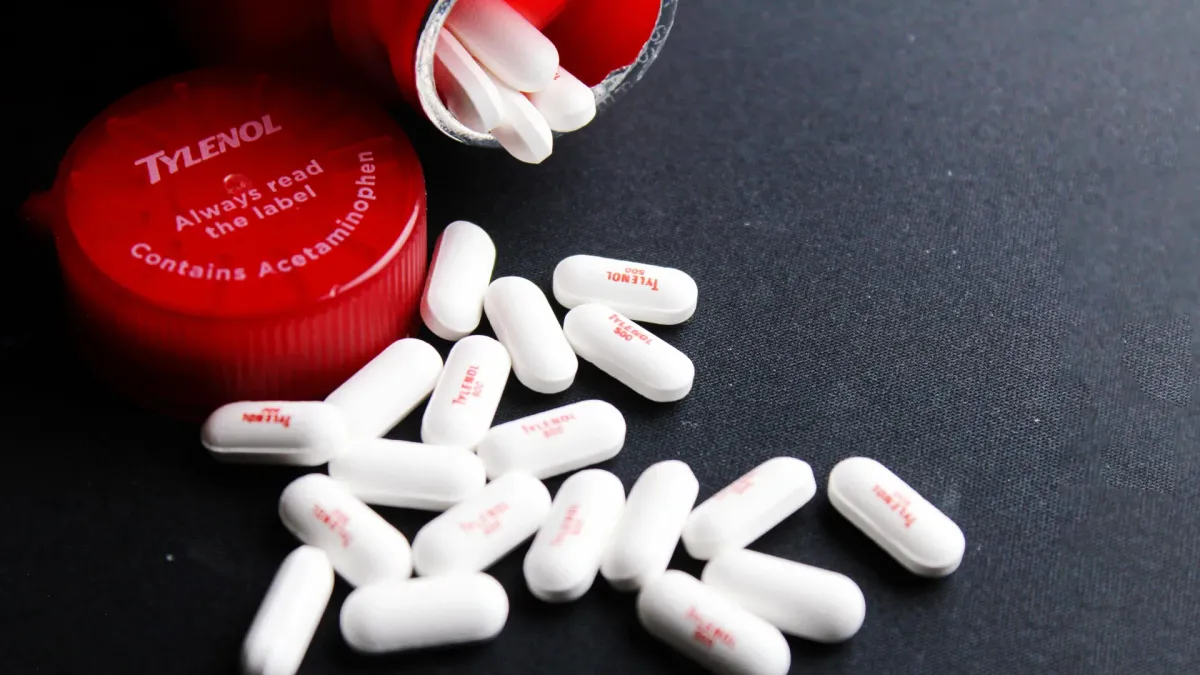
The internet has spent years chasing a connection between Tylenol and autism that doesn't exist. Meanwhile, the actual danger has been sitting in medicine cabinets all along: overdose.
Acetaminophen poisoning sends roughly 56,000 Americans to emergency departments each year. About 2,600 get admitted to hospital. The drug accounts for nearly half of all acute liver failure cases in the U.S.—and roughly one in five liver transplants. These aren't edge cases or freak accidents. They're a leading cause of hospitalization from over-the-counter drugs.
The problem isn't that acetaminophen is inherently toxic. It's a safe painkiller when you follow the label. But many people don't. Some take too much at once. Others gradually exceed recommended doses without realizing it. And because acetaminophen hides in cold medicines, flu tablets, and combination pain relievers, it's easy to accidentally double-dose without knowing.
We're a new kind of news feed.
Regular news is designed to drain you. We're a non-profit built to restore you. Every story we publish is scored for impact, progress, and hope.
Start Your News DetoxKennon Heard, an emergency medicine professor at CU Anschutz, has spent more than 25 years studying acetaminophen poisoning. He's watched the same pattern repeat: people arrive at the ER having taken more than their bodies can process, their livers beginning to fail.
A Better Window of Treatment
For decades, doctors have had one main tool: acetylcysteine, an antidote that works well—but only if given within eight hours of overdose. After that window closes, its effectiveness drops sharply. For patients who arrive later, or who took the overdose deliberately and didn't seek help immediately, options narrow.
Hear is now leading a clinical trial testing fomepizole, a drug already approved to treat poisoning from ethylene glycol and methanol (common in antifreeze). The idea is simple: add fomepizole to standard acetylcysteine treatment and see if it reduces liver damage in high-risk patients. Early results are promising enough that researchers are planning a larger trial to measure what really matters—whether this combination approach reduces deaths and the need for transplants.
If it works, it could change outcomes for people who arrive at the hospital too late for standard treatment alone.
Hard's message is less dramatic but just as important: read your medication labels. Don't exceed recommended doses. Check whether acetaminophen is already in the other products you're taking. The number of people who accidentally overdose on this drug is now roughly equal to the number who do so deliberately—which means most of these hospitalizations are preventable.
The real story isn't that Tylenol causes autism. It's that a common painkiller can quietly damage your liver, and we're finally developing better ways to stop it.