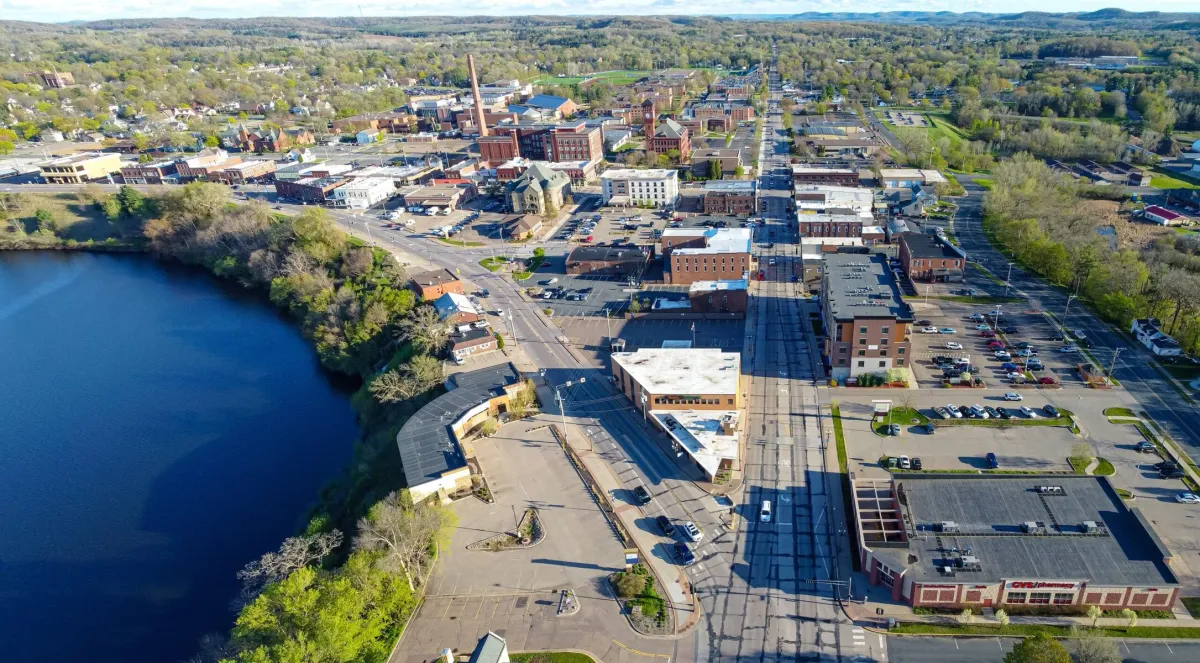
A small city in Wisconsin recently won a major fight against a proposed data center. This success came from strong community organizing and support from a growing statewide group.
Organizers in Menomonie, the city of about 16,800 residents, have created a toolkit. This guide helps other communities facing similar challenges from large data centers.
"It's like whack-a-mole," said Blaine Halverson, an organizer. "You knock out one, and another just pops up." He explained that they are working to protect their community and help others do the same proactively.
We're a new kind of news feed.
Regular news is designed to drain you. We're a non-profit built to restore you. Every story we publish is scored for impact, progress, and hope.
Start Your News DetoxAcross the country, local communities are fighting data center projects. Developers often propose huge, warehouse-like buildings to house the computing power for artificial intelligence.
As of last October, about 3,000 new data centers were being built or planned nationwide. Some experts believe global spending on data centers could reach $3 trillion by 2029.
How Menomonie Fought Back
Menomonie's situation is similar to other Wisconsin communities. In 2023, the state passed a tax exemption for qualified data centers. This happened as the AI boom, driven by tools like ChatGPT, was accelerating. Soon, many data center projects appeared across Wisconsin.
The state now has over $57 billion worth of proposed data center projects. At least five are massive, hyperscale data centers. This includes two proposed in Janesville and Kenosha, and three under construction in Beaver Dam, Mount Pleasant, and Port Washington. Voters in Port Washington recently approved a referendum to restrict future data center developments. Organizers also stopped a proposed hyperscale data center in DeForest earlier this year.
"These proposals were coming fast and furious," said Brittany Keyes, clean air policy manager at Healthy Climate Wisconsin. She noted that community members were often caught off guard and had to scramble to organize and engage officials.
News of a $1.6 billion data center project in Menomonie broke in July 2025. City leaders had already held closed-door meetings with Balloonist, LLC, the development firm. The firm never said which tech company would operate the center.
Menomonie's city administrator and other officials signed nondisclosure agreements with Balloonist. The city administrator signed his in February 2024, about 18 months before the public knew about the project. Other communities have seen similar agreements.
Residents learned about the project weeks before the city council was set to vote on annexing and rezoning the land. Organizers faced a difficult battle.
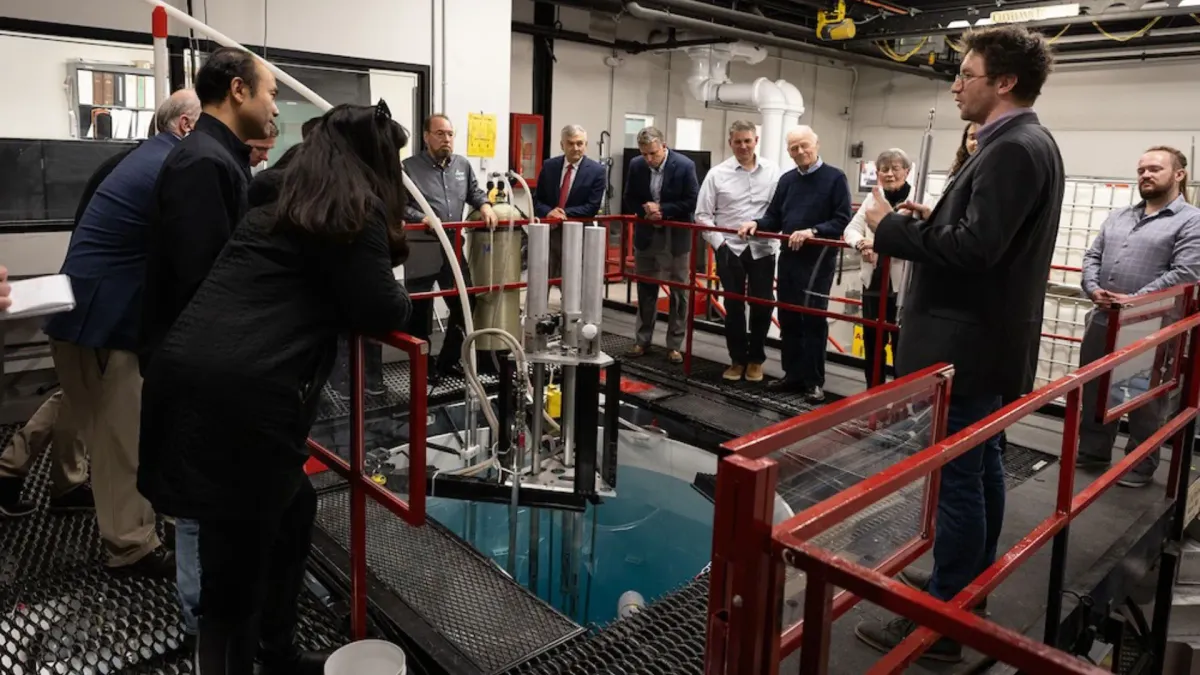
 Courtesy of Blaine Halverson
"The playing field isn't horizontal; it's almost vertical," Halverson said. He explained that big tech, utilities, and state economic groups had immense power over communities kept in the dark.
Residents worried about the project. Data centers often get tax breaks by promising jobs, but they create few permanent positions. They can also use a lot of water, raise electric bills, reduce tax revenues, and cause noise, light, and air pollution.
"Data center construction is the most cruel thing a city can do to its residents," said Sarah Zarling, who fought the Beaver Dam project. She emphasized that the impacts are "immense" and "life-changing."
Building a Statewide Movement
Menomonie residents used social media and demonstrations to raise awareness. They met to share information and attended city council meetings in large numbers.
By September 2025, a "Stop the Menomonie Data Center" Facebook group had over 10,000 members, more than half the town's population.
Even though the Menomonie City Council voted to annex and rezone the land in early September, community pressure was strong. Mayor Randy Knaack announced on September 22 that the city would not move forward with a development agreement with Balloonist. In January, the City Council unanimously voted to add more regulations for data center projects.
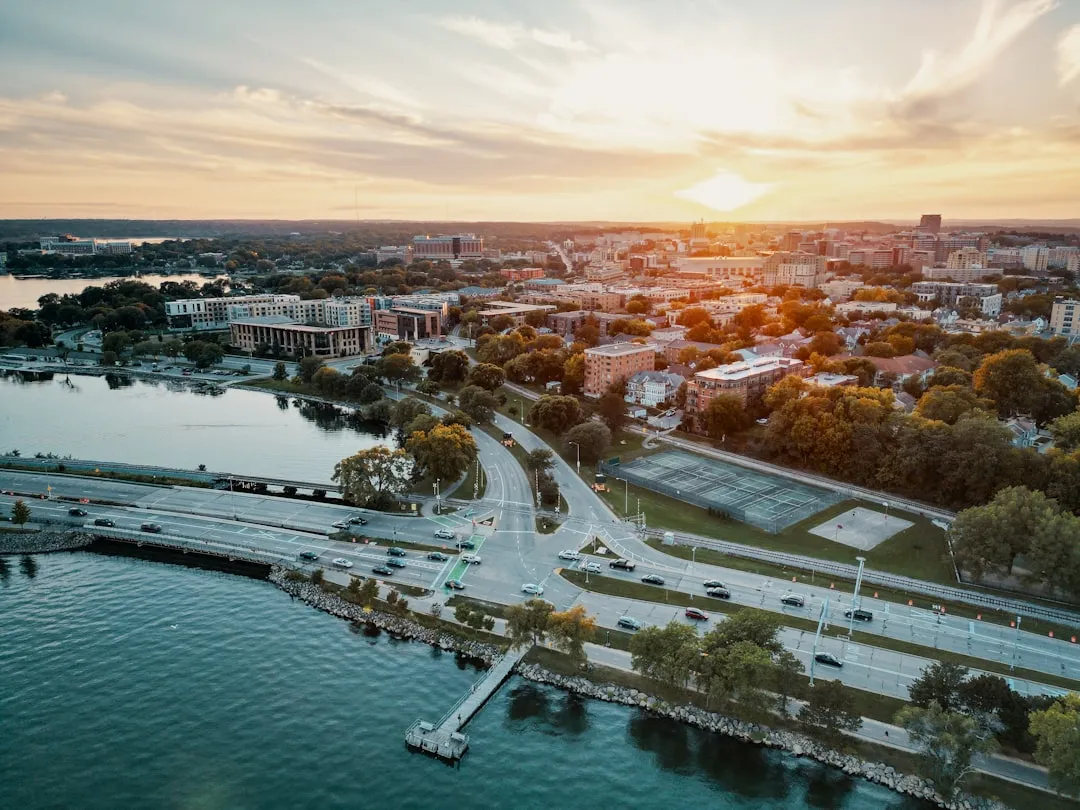
 Courtesy of Kyle Gregerson
Menomonie organizers also connected with others in Wisconsin facing similar struggles. These efforts grew into a statewide coalition. "We were able to bring folks together and create a statewide network that is able to support each other wherever they are," Keyes said.
Now, when a new data center proposal appears in Wisconsin, organizers have resources to help fight it.
In February, Zarling gave a presentation in Menomonie about community organizing tactics. She shared what it's like when construction begins, as in Beaver Dam.
At that town hall, attendees created 42 recommendations for Menomonie city councilors. These recommendations focus on transparency, community protection, administrative review, infrastructure, fiscal protections, and zoning.
Organizers collected about 1,000 signatures from residents supporting these recommendations. Halverson expects the City Council to consider them soon.
Statewide Action and a Toolkit
One major achievement of the statewide coalition is the "Big Tech Unchecked Toolkit." Published in December 2025 by Healthy Climate Wisconsin and partners, it explains data centers, their impacts, and success stories from Wisconsin. A webinar introducing the toolkit in January drew almost 200 people.
Thanks to local organizers, Menomonie's state representative, Republican Clint Moses, introduced a bill. It aims to ban nondisclosure agreements for data center proposals in Wisconsin.
Other data center-related bills have been introduced, but Keyes believes they don't go far enough. She advocates for a "pause to protect," a moratorium on data center construction. This would allow time to develop and implement meaningful safeguards.
"We are pushing for adequate protection for the environment and community health," Keyes said. "Right now, we are without protection, without guardrails. It is irresponsible, and we need a common-sense pause."
Demonstrators from across Wisconsin gathered at the state capitol on February 12 to support a moratorium. Halverson, who was there to share Menomonie's story, said the statewide coalition will continue to support communities while legislators work on solutions.
"It's about proactivity; we need to have a plan for what to do if one of these all of a sudden bubbles to the surface," Halverson said. He noted that the statewide group is becoming skilled at organizing people.
Zarling agreed, stating, "Organizing swiftly and fiercely and relentlessly is the key."