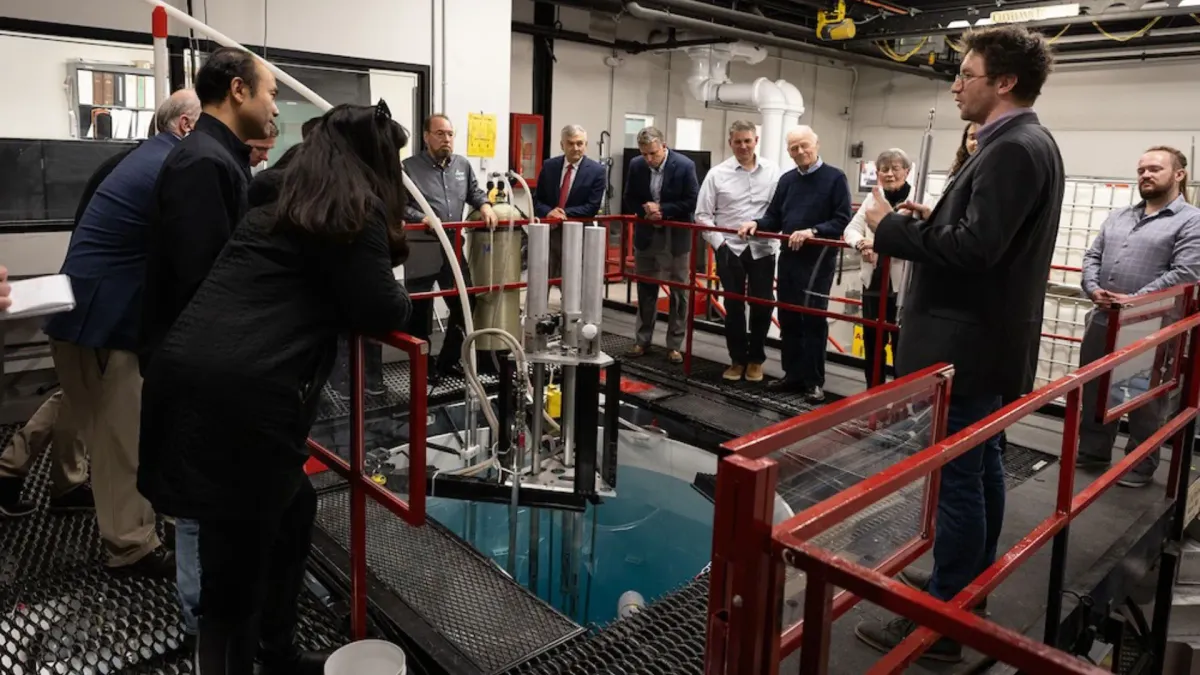
For the first time in half a century, a nuclear reactor at the University of Utah is about to do something truly novel: generate electricity. And not just any electricity, but power specifically for a small AI data center right on campus. Because apparently, that's where we are now.
This isn't about powering a small town; it's about proving a point. Elemental Nuclear Energy Corp. and the university's engineering program are teaming up to show that nuclear fission can handle the insatiable energy demands of artificial intelligence.
The Power Behind the Pixels
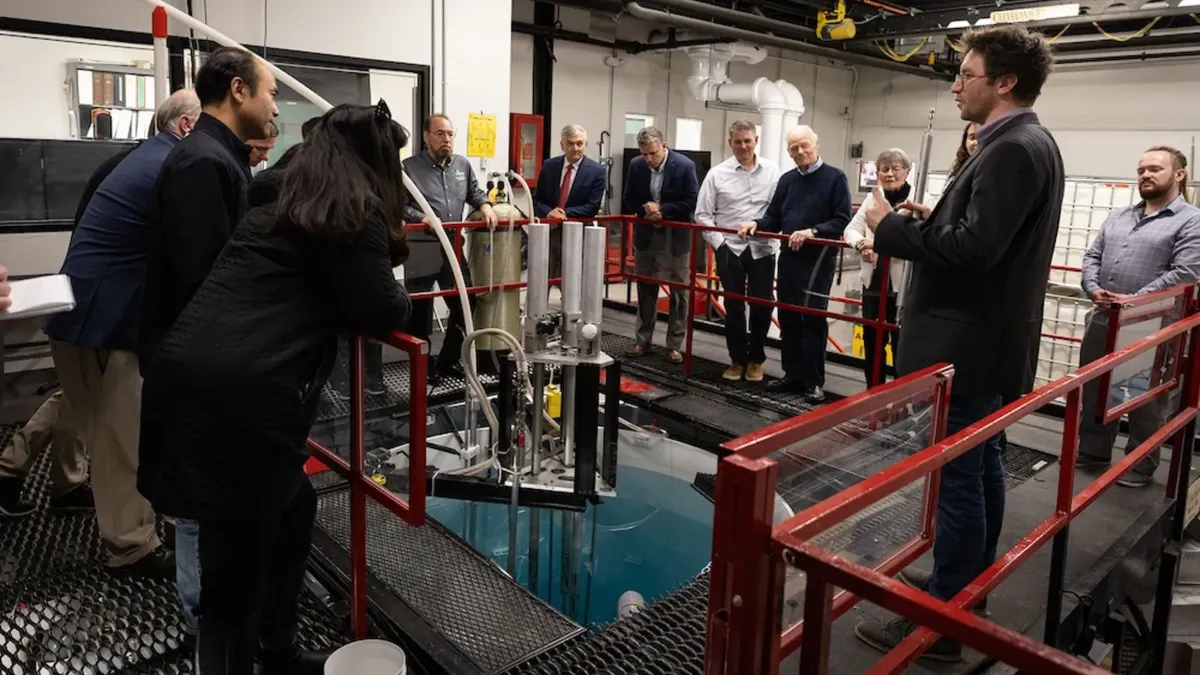
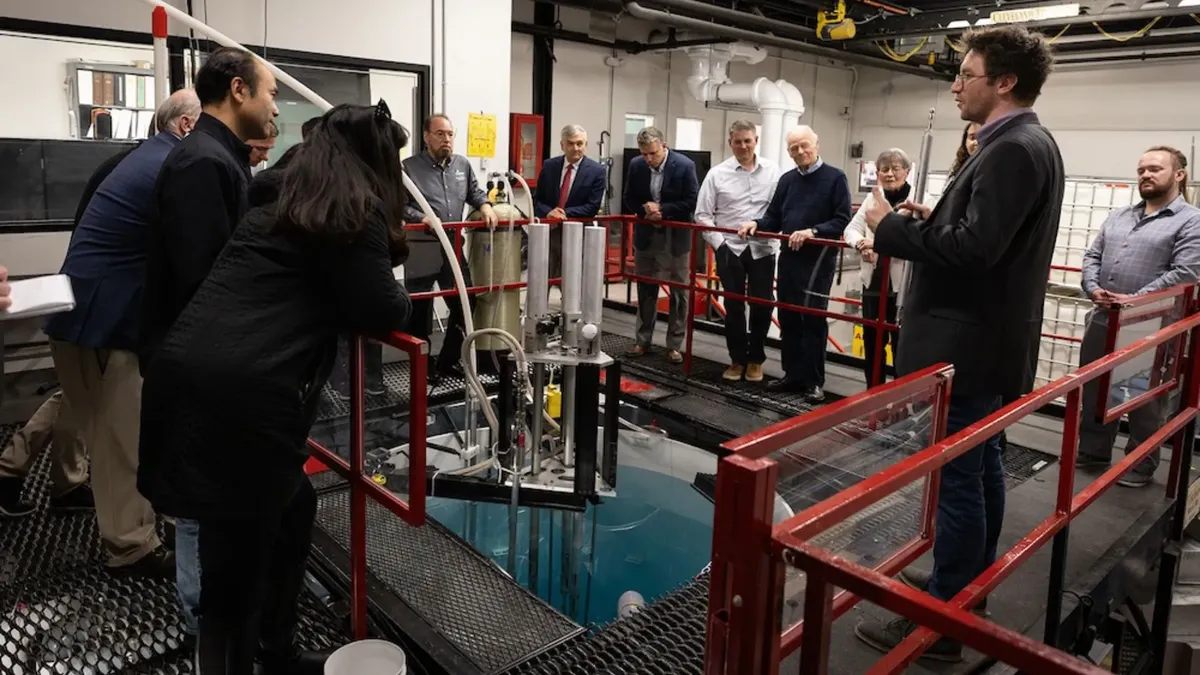
Normally, the university's TRIGA research reactor just helps with, well, research and training, gently releasing its heat into the ether. But this summer, engineers are getting a little more ambitious. They're capturing some of that heat and, using a compact Brayton Cycle system, turning it into electricity.
We're a new kind of news feed.
Regular news is designed to drain you. We're a non-profit built to restore you. Every story we publish is scored for impact, progress, and hope.
Start Your News DetoxForget bulky steam turbines; this system uses helium, making it significantly smaller. When it's up and running, it'll churn out a modest two to three kilowatts. That's enough to run a high-performance GPU, doing actual, live AI work. Small numbers, big implications.
Mike Luther, founder of Elemental Nuclear, put it plainly: this project is designed to prove that nuclear fission can power the computer systems behind artificial intelligence. The university's Scientific Computing and Imaging Institute, no strangers to building and running AI, are handling the brainy bits.
A Milestone, Literally
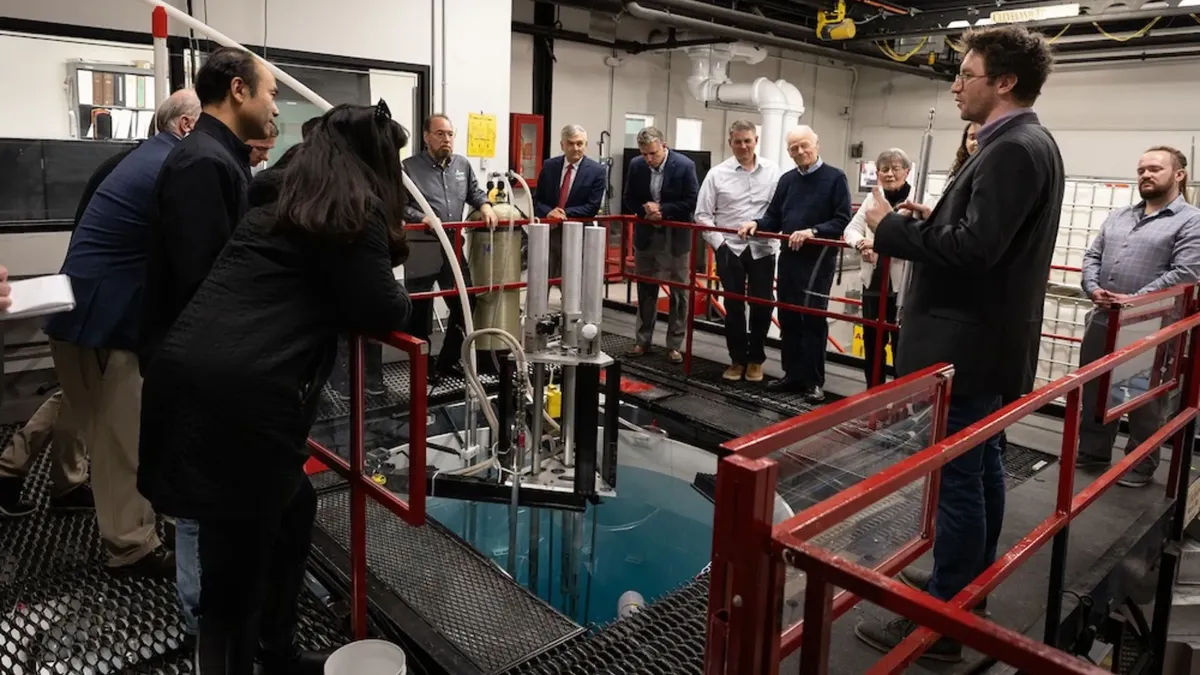
The reactor, which typically provides about 50 kilowatts of heat, will see its turbine produce around 13 kilowatts, leading to that final two to three kilowawatts of electrical output. Dr. Ted Goodell, the reactor manager, notes this is likely the first time any university reactor has made electricity. Which, if you think about it, is both impressive and slightly terrifying.
He sees it as a milestone for students and a demonstration that small, safe reactors could move beyond the lab and into data centers themselves. This isn't just a Utah thing, either: students and faculty from twelve universities are involved, making it one of the biggest collaborations ever for a research reactor.
Elemental Nuclear plans to use this global network of TRIGA reactors — with their thousands of students and decades of knowledge — to test and accelerate new nuclear technologies. Luther calls it an "extraordinary scientific network," combining working nuclear setups with talented people.
The company is already developing microreactors for industrial and computing uses, aiming for reliable, carbon-free energy. Their goal? A working nuclear microreactor by 2030 or 2031. So, while Utah's experiment might be tiny in terms of power, it’s a clear signal: nuclear energy is about to get a lot closer to your data.