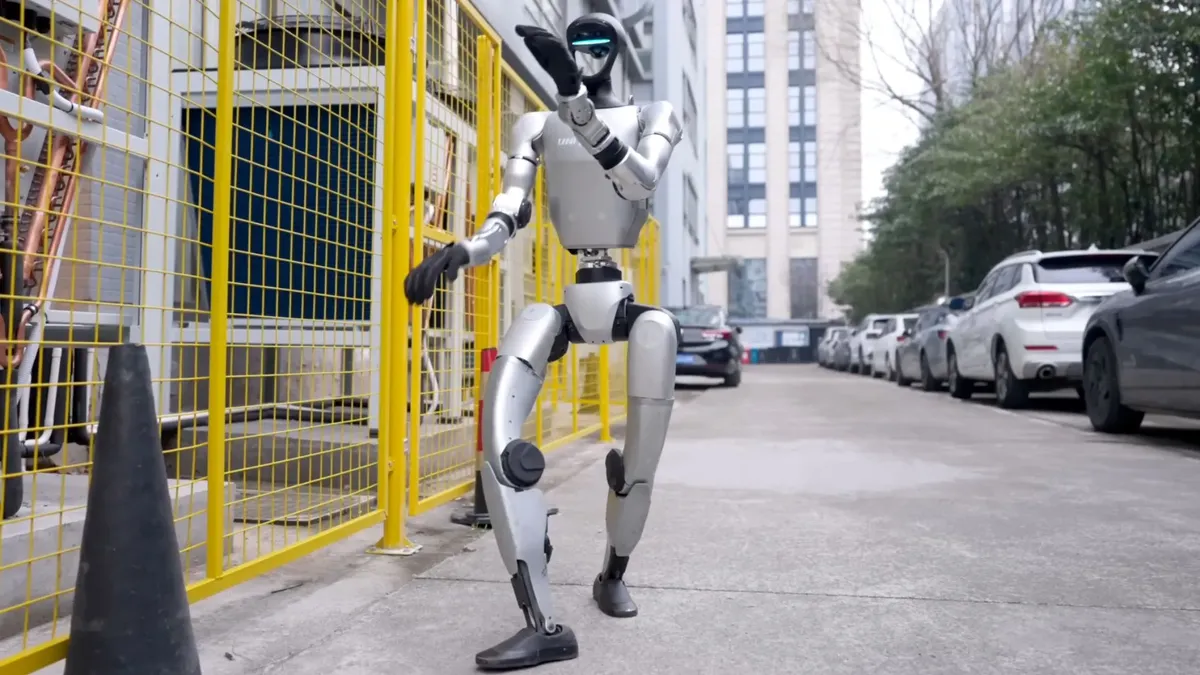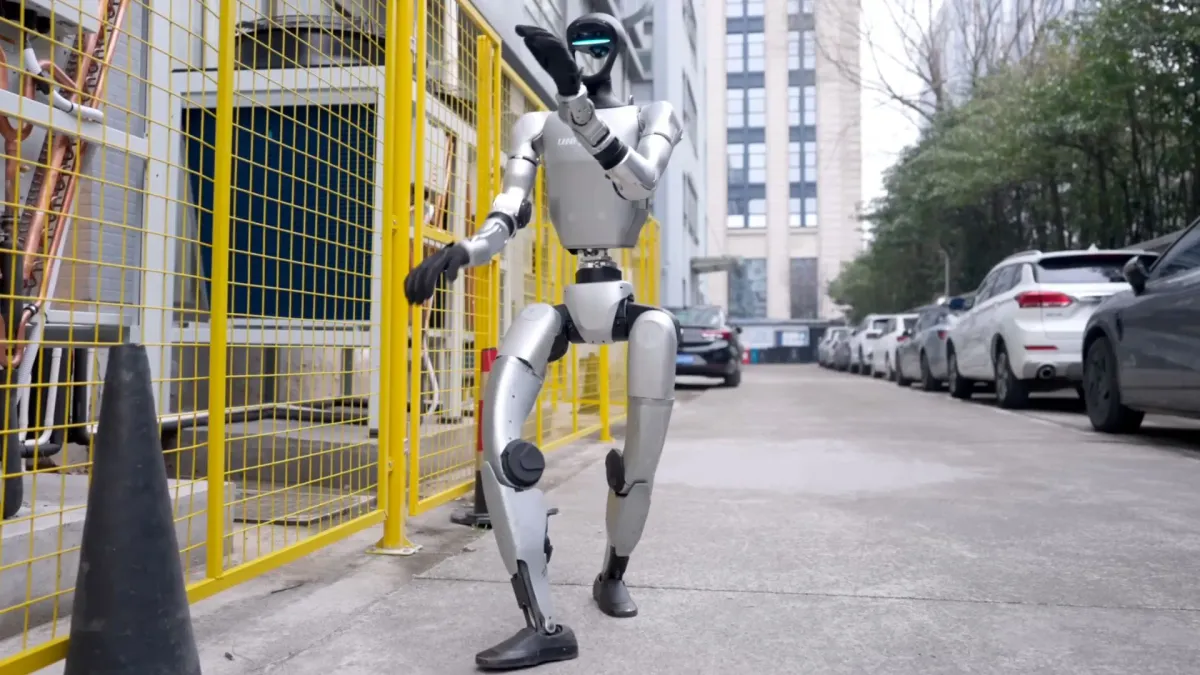
Tokyo’s Haneda Airport, a place that sees more than 60 million passengers annually, is about to get some new help on the tarmac. And by "help," we mean 1.32-meter-tall, 35-kilogram humanoid robots that fold up for easy storage. Because apparently, that's where we are now.
Japan Airlines is kicking off a trial this May, deploying Chinese-made Unitree G1 robots to work alongside human ground crews. The goal? To tackle a growing labor shortage that’s making it harder to move all that baggage and cargo, especially with Japan’s tourism numbers soaring. Think of it as a very smart, very coordinated, and slightly unsettling new co-worker.
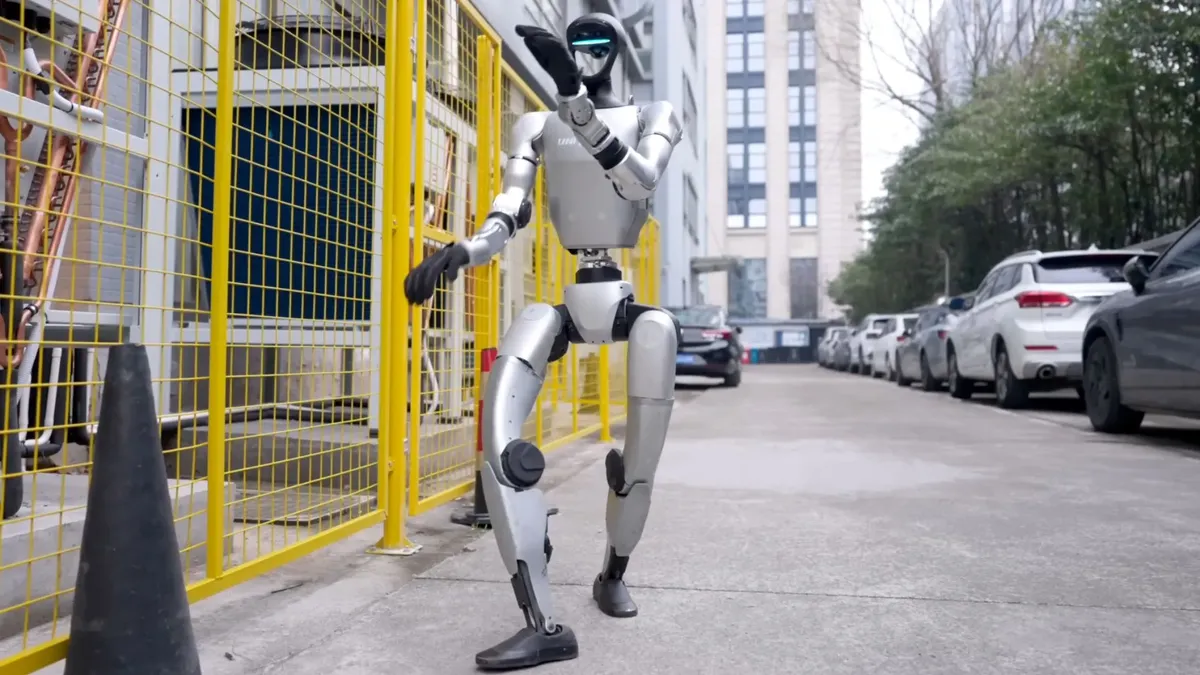
The project, a collaboration with GMO Internet Group, is set to run until 2028. The hope is that these mechanical marvels will ease the physical strain on human workers, improve conditions, and eventually become a permanent fixture. Don't worry, though; humans will still handle all the critical safety stuff. For now, anyway.
We're a new kind of news feed.
Regular news is designed to drain you. We're a non-profit built to restore you. Every story we publish is scored for impact, progress, and hope.
Start Your News DetoxMeet the G1: Your New Baggage Buddy
During a recent demo, one of these G1 units was spotted pushing cargo onto a conveyor belt next to a Japan Airlines plane, then gesturing to a nearby human worker. A polite nod, perhaps? A silent "After you, old sport"? We can only speculate, but the early teamwork was noted.
These G1 robots are pretty nimble, boasting 23 "degrees of freedom" (which means they can move stably without face-planting) and navigating with 3D LiDAR, a depth camera, and even voice input. They run for about two hours on a 9,000 mAh battery and can zip around at speeds up to 7.2 km/h. So, they’re not exactly breaking any land speed records, but they’re not dawdling either.
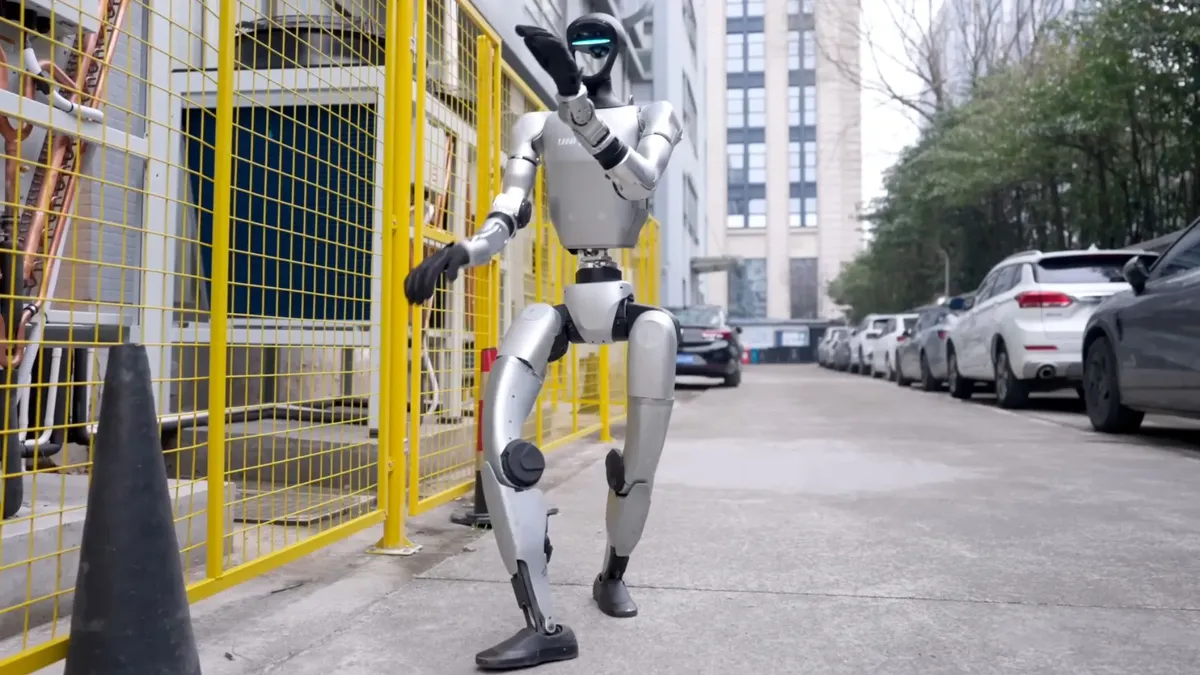
Unitree Robotics, the brains behind the G1, develops these robots in a virtual world using Nvidia Isaac Simulator. Here, digital twins of the G1 learn complex actions, mimicking human movements captured by motion sensors. It's like a high-tech, highly efficient game of digital charades, where the robots get better with practice through "reinforcement learning." Then, those perfected skills are transferred to the real-world robots using a "Sim2Real" method, ensuring smooth, real-life actions. Which, if you think about it, is both impressive and slightly terrifying.
The Humanoid Solution to a Human Problem
The need for these metallic helpers isn't just about cool tech; it's a very real economic issue. Japan's working-age population is shrinking, creating a gaping labor hole in physically demanding sectors like airport ground operations. Meanwhile, tourism is booming. Over seven million visitors arrived in the first two months of 2024 alone, following a record 42.7 million last year. Japan might need over 6.5 million foreign workers by 2040 to keep its economy chugging along, even with societal pressures to limit immigration.
Traditional robots have struggled in the chaotic, unpredictable environment of an airport tarmac. But humanoid robots, with their human-like design, can fit into existing setups without requiring a complete overhaul. The rollout will be gradual, starting with close observation and then moving to simulated real-world conditions. The long-term vision? Robots handling the grunt work, humans handling the brains, and everyone moving baggage more efficiently. Just don't ask them to smile for the camera; they haven't quite mastered that yet.