Travel usually means leaving a place better than you found it in your memory alone. But across India, a quieter shift is happening: tourism money is flowing directly into forest protection, wildlife recovery, and the livelihoods of communities who've chosen to be guardians instead of exploiters.
It works because it's simple. You visit. Your money funds conservation. Local people gain income from keeping forests standing rather than clearing them. The math is straightforward enough that it's spreading.
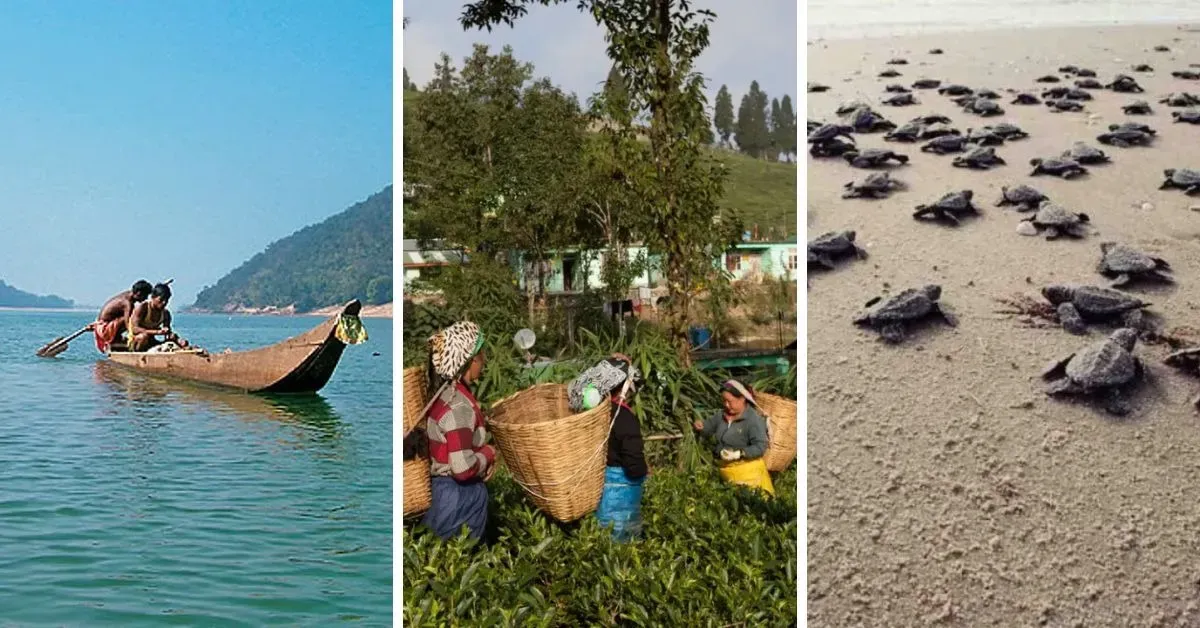
In Odisha's Satkosia Gorge, boat journeys down the Mahanadi River put you on the water with gharials and Egyptian vultures, but the real story happens on land. Revenue from tourism funds the tiger reserve directly, and it pays local Munda and Kondh guides, boatmen, and homestay hosts. This matters more than it sounds. When communities earn from a living forest, poaching drops. Human-wildlife conflict eases. Former forest-dependent communities become its fiercest protectors.
We're a new kind of news feed.
Regular news is designed to drain you. We're a non-profit built to restore you. Every story we publish is scored for impact, progress, and hope.
Start Your News DetoxNagaland's Khonoma village took a different path. In the 1990s, after decades of overhunting, the Angami tribe simply banned it. They chose conservation first. Now, homestays and forest treks generate the revenue that reinforces that choice and protects rare species like the Blyth's tragopan. A visitor's fee validates decades of sacrifice.
 Sikkim is India's first and only fully organic state. Photograph: (Sikkim Travellers)
In the Andamans, the model becomes hands-on. You join marine biologists on night walks to monitor Olive Ridley and Leatherback turtle nesting. You help transplant lab-grown corals onto degraded reefs. Your fee funds the data collection and restoration work. Organizations like ANET (Andaman and Nicobar Islands Environmental Team) run these programmes, creating a direct link between a healthy reef and economic benefit.
Dzongu in Sikkim shows what happens when a whole region commits. Sikkim is India's first and only fully organic state—no chemical runoff, protected soil, conserved water. Stay in a Lepcha community homestay, help with organic farming, forage for wild herbs. Tourism supports this pioneering agricultural policy and keeps large-scale development out of a biodiversity hotspot.
In Gujarat's Banni grasslands, pastoral Maldhari communities live in traditional circular bhungas and manage fragile grassland through sustainable grazing. Tourism provides secondary income that empowers them to resist land conversion and continue stewarding a landscape that shelters Indian wolves and migratory birds.
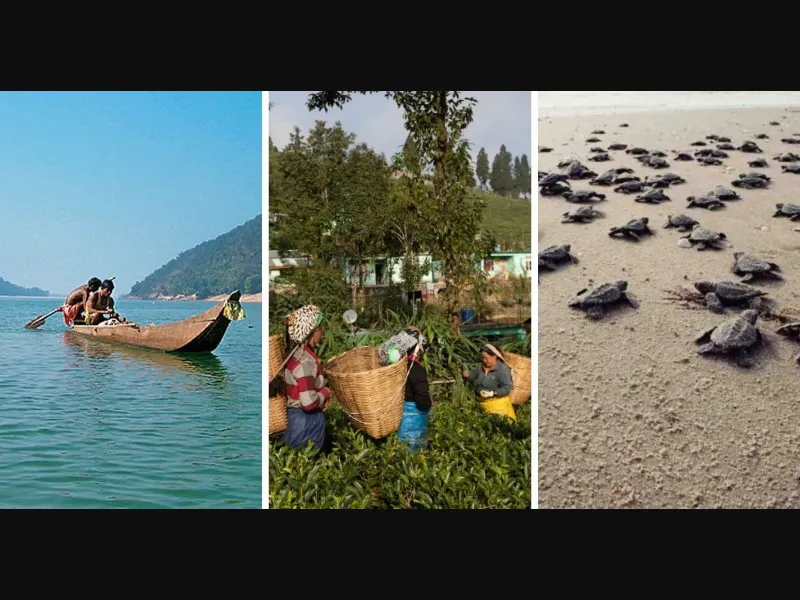 Stay in rustic, culturally rich bhungas (traditional circular huts) in the unique Banni grasslands of the Rann of Kutch. Photograph: (WZCC India)
The pattern across all of this is clear: when tourism money reaches communities directly, when it's tied to conservation outcomes, when locals control the experience, the incentives align. You're not just sightseeing. You're part of a working effort to keep these landscapes alive. Book with community trusts or locally owned operators. Arrive curious. Listen. Tread lightly. The landscape notices.