Fewer young adults are drinking. According to Gallup's 2023 data, the share of adults under 35 who drink has dropped from 72% to 65% in recent years, with an 11% decrease in weekly alcohol consumption among 18- to 34-year-olds.
This shift is reshaping how people travel. Instead of chasing nightlife, a growing number of younger travelers are looking for cities where a great meal, a museum, or a concert matters more than what's in their glass.
What makes a city sober-friendly
A recent analysis ranked the world's top destinations for sober-curious travelers by measuring wellness retreats, cultural venues, green space, and attractions. The methodology was straightforward: more galleries, museums, theaters, and outdoor space equal more reasons to show up that aren't about drinking.
We're a new kind of news feed.
Regular news is designed to drain you. We're a non-profit built to restore you. Every story we publish is scored for impact, progress, and hope.
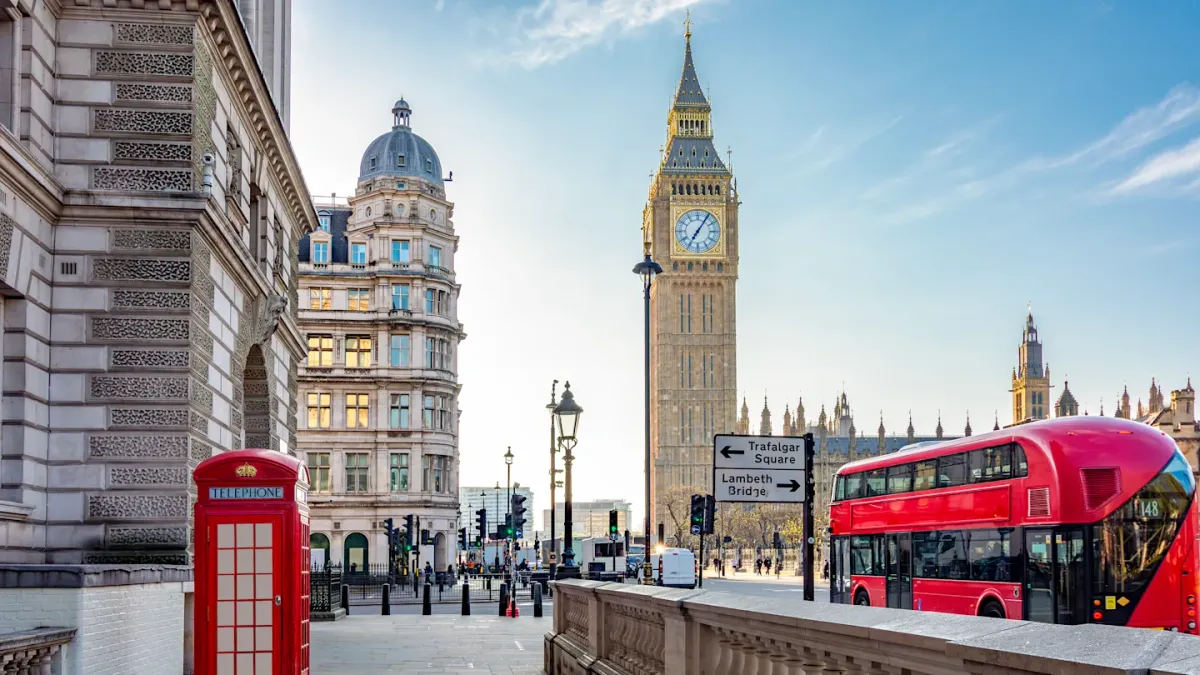
Start Your News DetoxLondon claimed the top spot, which might seem counterintuitive for a city famous for its pub culture. But London isn't just pubs. The city has 1,148 wellness retreats and spas, nearly 3,000 attractions spanning Westminster Abbey to Tower Bridge, and over 3,000 concerts annually. It's a city where you can spend weeks exploring without repeating an experience.
Berlin ranks second, a place equally known for its nightlife as for its art scene. The German capital hosts nearly 5,000 concerts a year and has 425 galleries. Tokyo, sitting at number three, shows a similar pattern: legendary nightlife exists alongside world-class food, pop culture, and 1,815 wellness retreats—more than any other city on the list.
The remaining cities—Seoul, Rome, Madrid, Barcelona, Prague, Toronto, and Vienna—each offer distinct pulls. Rome's 164 historic sites. Seoul's 792 art centers. Vienna's 5,477 concerts annually. These aren't consolation prizes for people who don't drink. They're the main event.
A shift, not a judgment
This isn't about sobriety being "better" than drinking. It's about recognition that travel motivations have genuinely diversified. Some people vacation to party. Others vacation to learn, move, taste, and explore. For years, city guides catered almost exclusively to the first group. Now there's data showing the second group is significant enough to matter.
The cities that rank highest tend to be the ones that already invested heavily in culture, public space, and food. They didn't change for sober travelers—they were already built that way. But that's exactly why they work for everyone: a city with 300 museums and 50 kilometers of parks is richer for all visitors, regardless of what they're drinking.