From Los Angeles to Tokyo to Tanzania, 2026 is shaping up as a landmark year for museums rethinking what these spaces can be. Some are celebrating overlooked histories. Others are betting on immersive technology to pull you into another world entirely. Together, they suggest a shift: museums aren't just about looking at objects anymore.
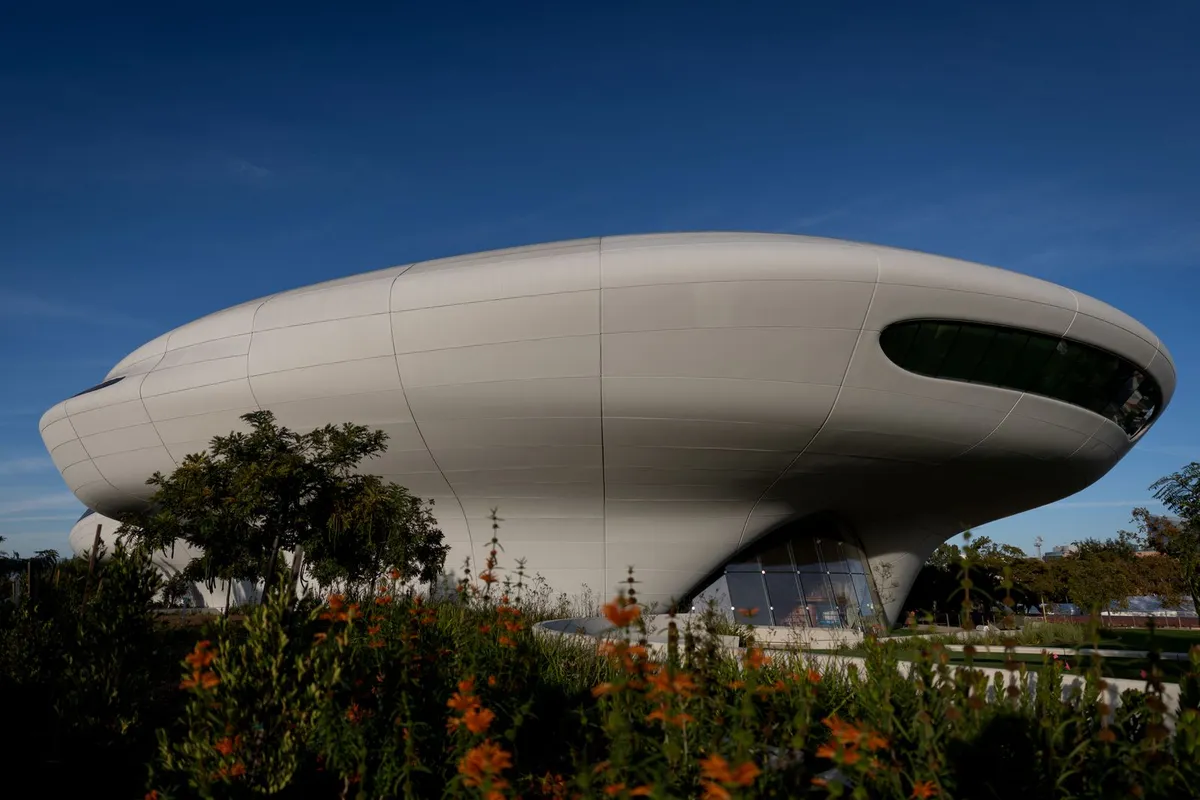
George Lucas's long-awaited Lucas Museum of Narrative Art opens in L.A.'s Exposition Park on September 22, finally materializing after years of planning. The museum centers on visual storytelling across all mediums — film, painting, illustration, sculpture — built on the premise that narrative is how humans make sense of the world. It's a simple idea executed at an enormous scale.
In Washington, D.C., the National Geographic Museum of Exploration debuts with a focus on what the organization does best: making distant ecosystems feel urgent and real. The opening exhibition, "Photo Ark: Animals of Earth," uses large-scale projections and touch-activated displays to walk visitors through endangered species from the National Geographic archive. It's conservation messaging wrapped in spectacle, designed to move people beyond passive observation.
We're a new kind of news feed.
Regular news is designed to drain you. We're a non-profit built to restore you. Every story we publish is scored for impact, progress, and hope.
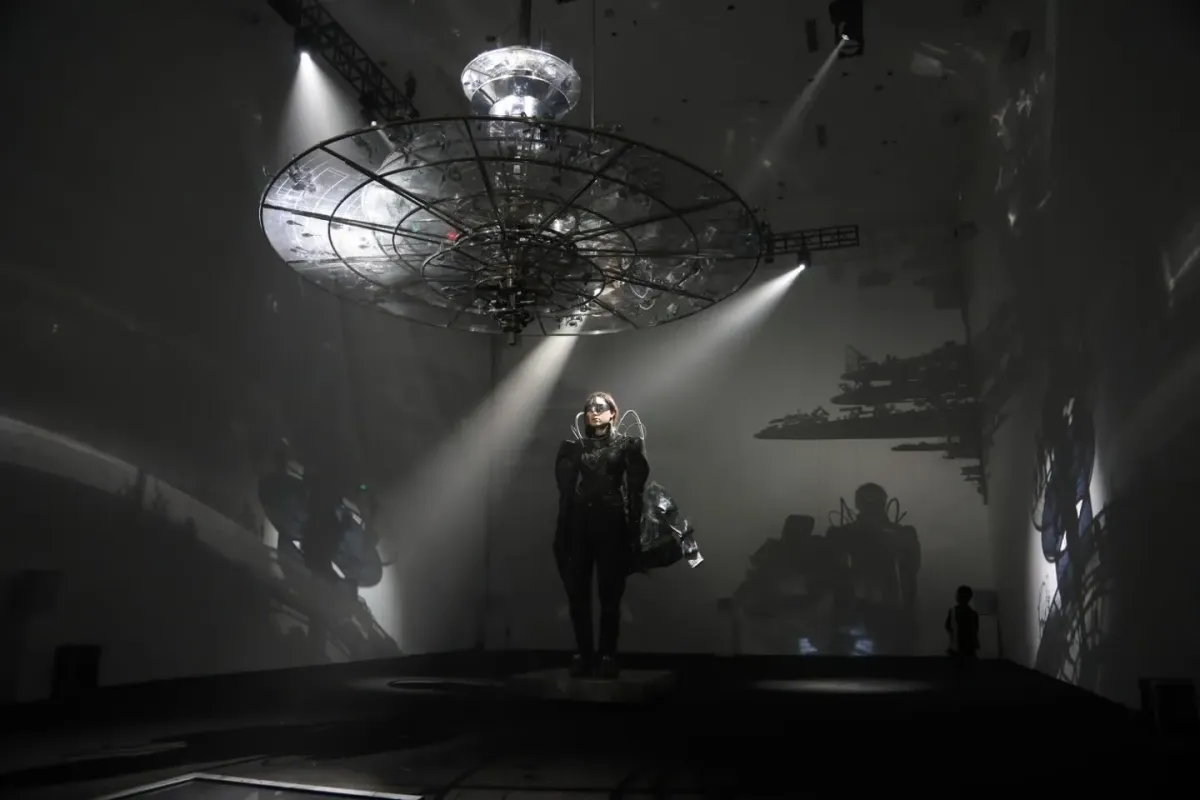
Start Your News DetoxHamburg's UBS Digital Art Museum claims the title of Europe's largest space devoted entirely to digital and immersive art. The centerpiece is a permanent installation by the Japanese collective teamLab that fills the entire building — a multisensory environment where visitors move through projected landscapes that respond to their presence. It's the kind of experience that doesn't photograph well, which may be the point.
History reimagined
London's Museum (formerly the Museum of London) reopens in late 2026 in the Smithfield Market district, housing over six million objects spanning 450,000 years of the city's history. It's positioning itself as one of the world's largest urban history collections — a bet that people want to understand the layered complexity of where they live.
Tokyo's MoN Takanawa: The Museum of Narratives merges traditional Japanese forms like Kabuki and manga with contemporary technology and science, suggesting that old and new storytelling don't have to compete. In Arusha, Tanzania, the Goodall Centre of Hope draws inspiration from primatologist Jane Goodall's legacy of active conservation, centering interactive exhibits around her philosophy that understanding animals requires hope, not just knowledge.
Australia's Larrakia Cultural Centre in the Northern Territory centers Indigenous history and language, with sacred artifacts alongside workshops and performances. New York's Hip Hop Museum celebrates the cultural movement with floor-to-ceiling displays — Dapper Dan jackets, early hip-hop comics, the physical archive of a genre that reshaped global culture. In Tashkent, the Center of Islamic Civilization positions Uzbekistan's historical contributions to Islamic scholarship and science as part of a global conversation.
Brussels' Kanal-Centre Pompidou, housed in a converted Citroën garage, will display 21st-century Belgian art alongside works from the Paris Centre Pompidou's collection, creating a satellite relationship between two cities.
What ties these ten together isn't a single theme but a shared conviction: museums can be laboratories for how we encounter history, nature, and each other. Whether through technology, community participation, or simply making space for overlooked stories, they're testing what relevance looks like in 2026.