Mauren Castro and Marta Sosa spent years at home in Costa de Pajaros, a small fishing village in Costa Rica, while their husbands brought in the catch. In 2022, they made a different kind of leap: they joined Piel Marina, a cooperative that transforms what fisheries discard into wearable goods.
Castro was skeptical at first. Fish skin smells. It's waste. How could it become anything valuable? But three years later, she's learned exactly how far discarded material can travel when someone decides to see it differently.
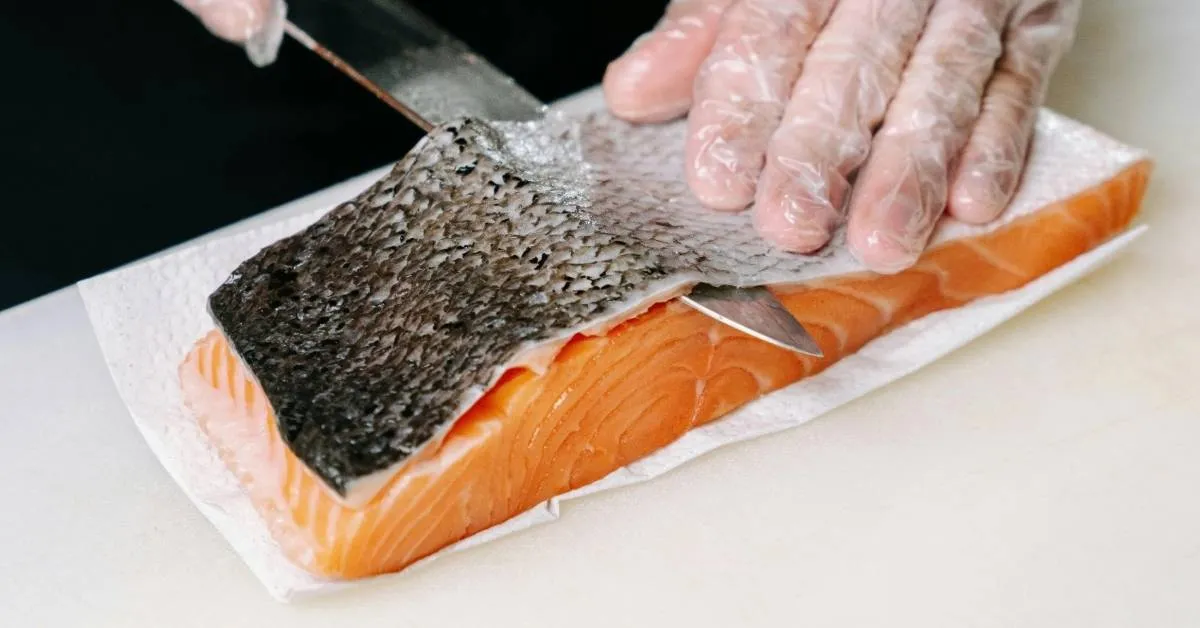
The process begins with what most fisheries throw away. Castro and Sosa work in rubber gloves, carefully scraping scales and flesh from filleted sea bass. They wash the skin like laundry, then soak it in glycerin, alcohol, and natural dyes. Four days of dyeing. Four days of drying. What emerges is soft, supple leather—the kind that becomes handbags, earrings, and necklaces.
We're a new kind of news feed.
Regular news is designed to drain you. We're a non-profit built to restore you. Every story we publish is scored for impact, progress, and hope.
Start Your News DetoxWhat they're doing isn't new, exactly. Indigenous communities in Scandinavia, Alaska, and Asia have tanned fish skin for thousands of years. But Piel Marina is reviving and scaling the practice in a place where it had been forgotten, turning a byproduct of the fishing industry into economic opportunity for women who had limited options before.
From village craft to global ambition
The cooperative model means the women own their work. They're not just laborers—they're part of a business that's gaining attention. Castro has clear ambitions for where Piel Marina's creations should go: "I would like it to be seen in Hollywood, in Canada, or on the great catwalks in Paris."
It's not an unreasonable dream. Sustainable fashion is no longer niche. Luxury brands are hunting for alternatives to conventional leather, which is resource-intensive and chemically demanding. Fish leather uses material that would otherwise be burned or dumped, requires minimal processing compared to cattle hides, and produces something genuinely beautiful.
For Castro and Sosa, the shift from unpaid domestic work to cooperative membership means income, skills, and dignity. For the fishing industry, it means less waste. For fashion, it means a material with real provenance—a product that carries the story of the women who made it and the ocean that provided it.
The cooperative is still small, still local. But the logic is spreading: waste becomes resource, tradition becomes innovation, and a village on Costa Rica's coast becomes part of a global conversation about what fashion could be.