Some heroes wear capes. Others, like the late Razia Jan, quietly test drinking water for poison every single morning just to make sure a few hundred girls can get an education.
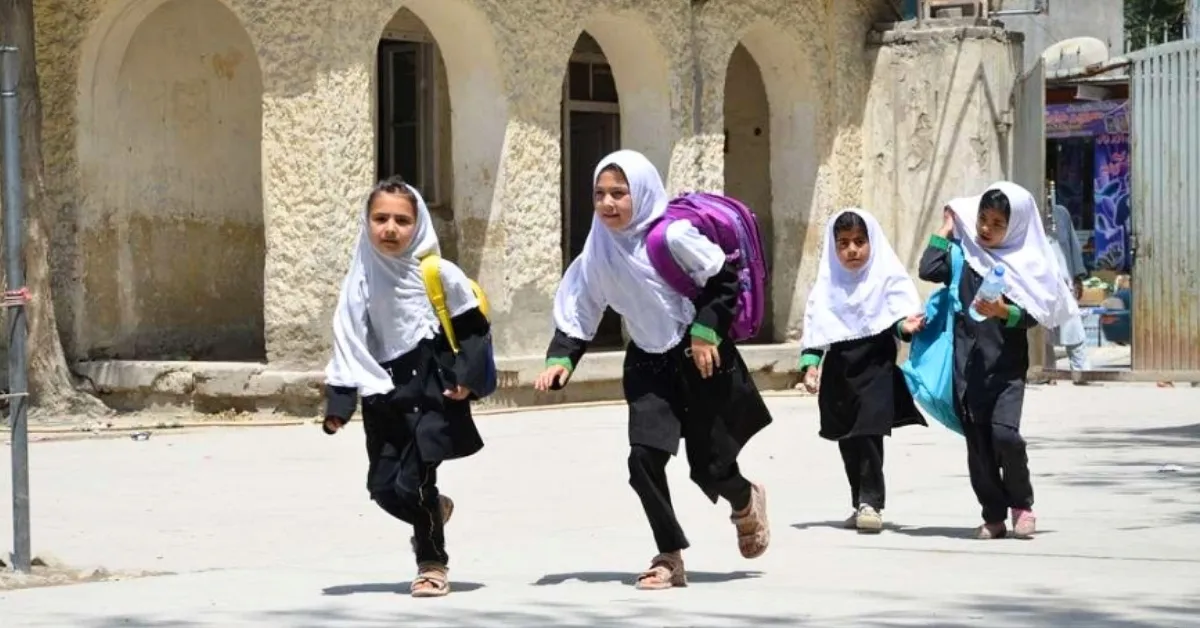
Jan, who passed away in 2025 at 81, was the force behind the Zabuli Education Center — the very first school for girls in Deh’Subz, Afghanistan. And keeping it running under the constant threat of the Taliban meant taking precautions that would make most of us need a lie-down. Daily poison checks on the water fountains were just one of them.
“Every day I pray that nothing goes wrong,” Jan told filmmaker Beth Murphy for the PBS documentary "What Tomorrow Brings." “I can’t really be sure what tomorrow brings, but at least they are in school this year.” Imagine that as your daily mantra.
We're a new kind of news feed.
Regular news is designed to drain you. We're a non-profit built to restore you. Every story we publish is scored for impact, progress, and hope.
Start Your News DetoxHer dedication didn't stop there. The documentary, filmed over eight years, helped Jan raise funds for her next audacious goal: a free women’s college, complete with a midwifery program. Because apparently, saving lives via education wasn't quite enough; she wanted to tackle Afghanistan’s tragically high infant and maternal death rates head-on.
When the Taliban rolled back into power in 2021, Jan’s school and college program were forced to close. But if you think that stopped Razia Jan, you haven't been paying attention. Through her Razia’s Ray of Hope Foundation, she simply pivoted, ensuring girls across the country still had access to early education, nutritious food, and crucial health services.
“Razia was totally undeterred by rejection,” said Andrea Alberto, the foundation's executive director. “She said, ‘We’ll teach as many of them as we possibly can.’” A sentiment that, if you think about it, is both incredibly simple and profoundly revolutionary.