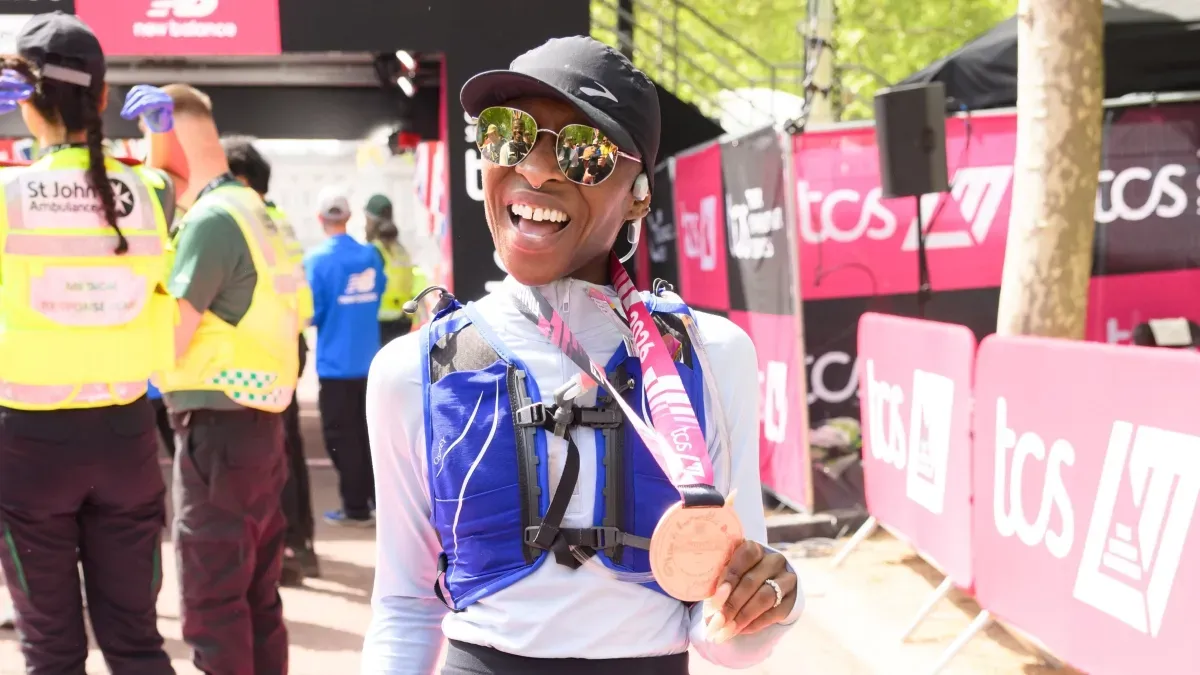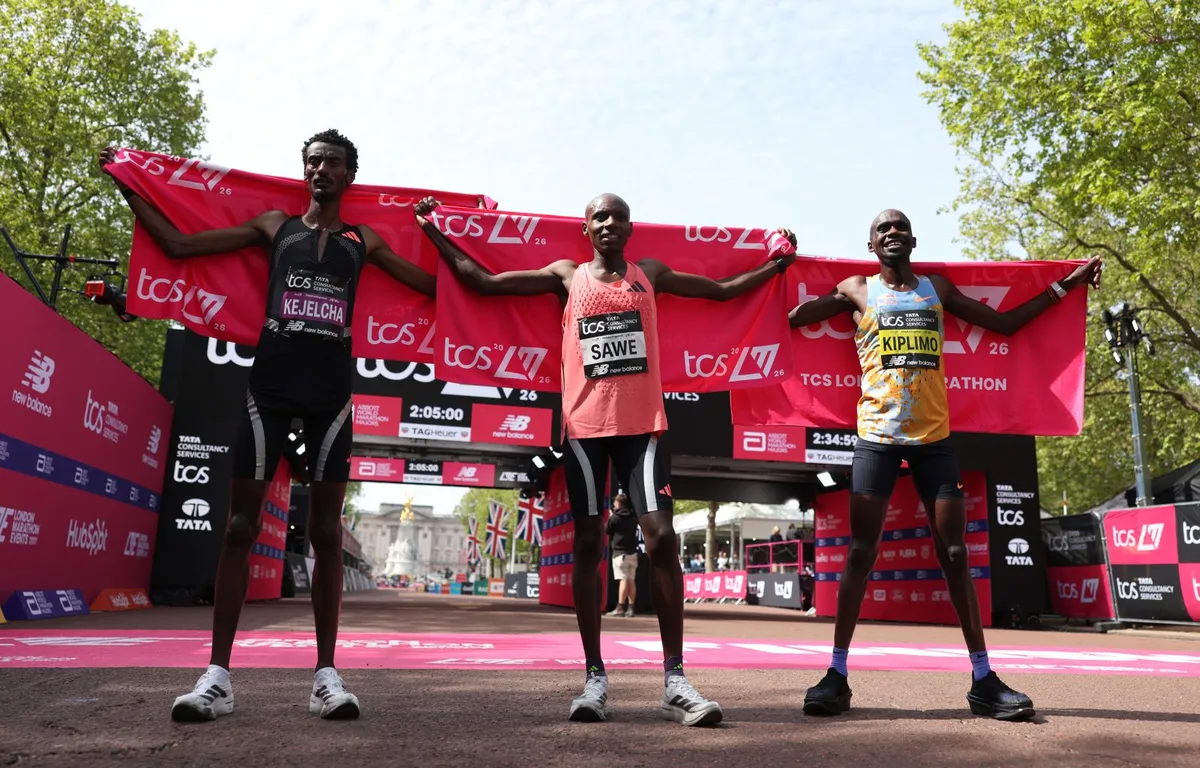
On August 26, two runners achieved a major milestone. They finished the London Marathon in under two hours. This made them the first people to officially break this time barrier.
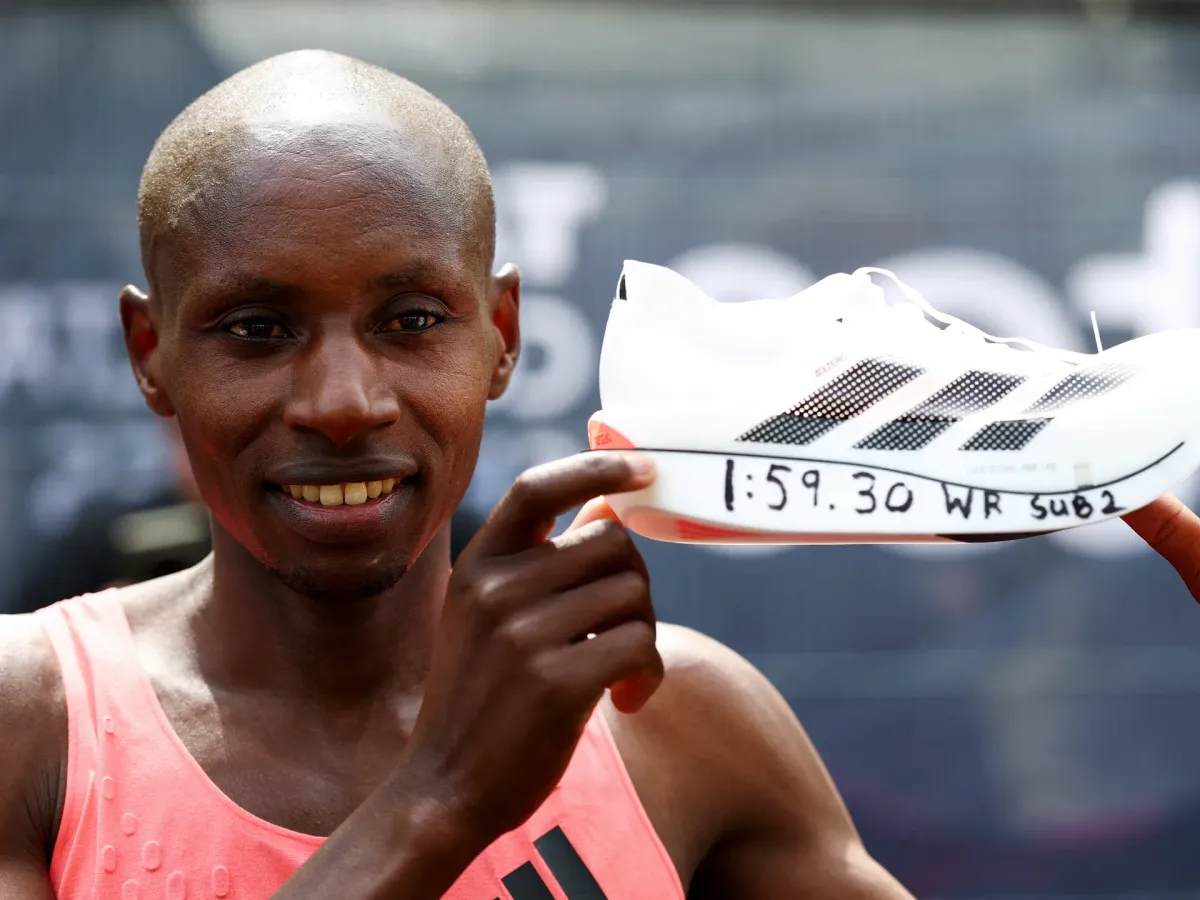
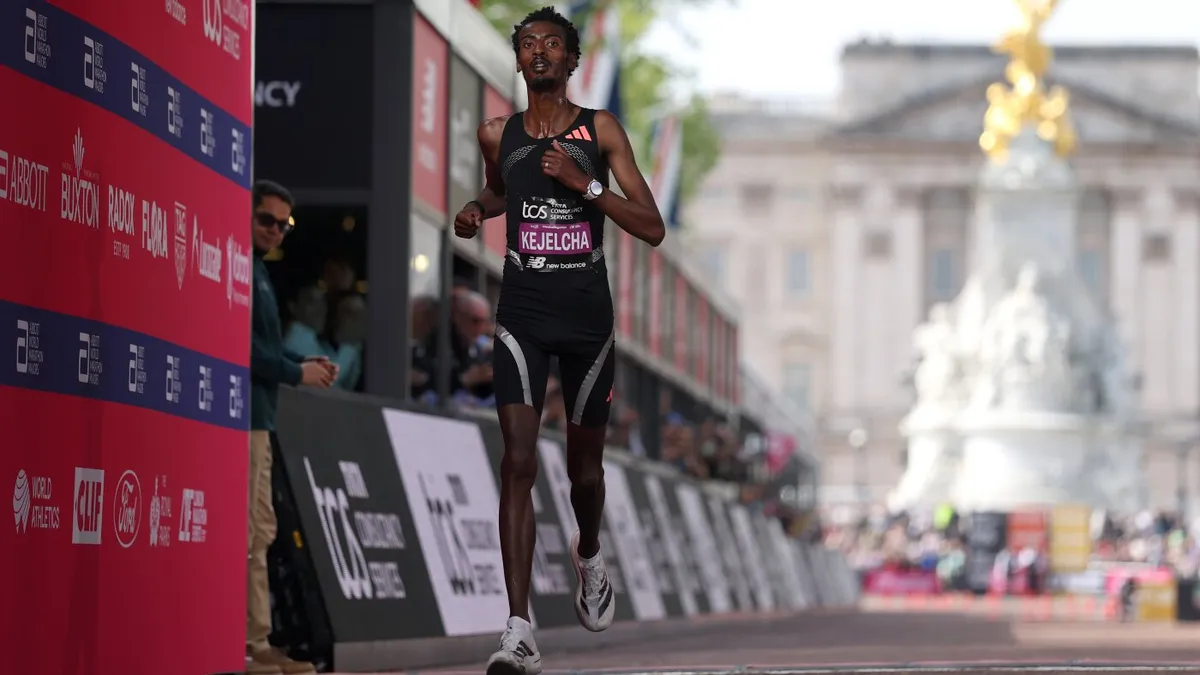
Kenya’s Sabastian Sawe won the race. He set a new world record with a time of 1 hour, 59 minutes, and 30 seconds. Ethiopia’s Yomif Kejelcha came in second, finishing in 1 hour, 59 minutes, and 41 seconds.
Both athletes gained attention for their achievements and their Adidas shoes. Here's how they did it.
We're a new kind of news feed.
Regular news is designed to drain you. We're a non-profit built to restore you. Every story we publish is scored for impact, progress, and hope.
Start Your News DetoxThe Science Behind the Speed
Marathon preparation involves intense training. Sawe’s coach, Claudio Berardelli, said Sawe ran about 125 miles per week in the six weeks before the race. He even peaked at 150 miles.
Berardelli noted that Sawe was ready for the Berlin Marathon last September. However, the heat prevented him from performing his best. Seeing Sawe run before London made the coach realize "something special might come out."
This high training volume likely helped Sawe's performance. It is much more than most athletes can handle, according to sports scientist Mark Connick. Research shows that high-volume, low-intensity training leads to faster marathon times.
Sawe also focused on fueling his body. On race day, he started with bread, honey, and tea. During the run, he consumed carbohydrate drinks and gels. He reportedly took in about 115 grams of carbs per hour.
Race day weather also played a key role. Temperatures in London were cooler than in 2025 and less windy than in 2024. When the elite men started their run around 9:30 a.m., it was about 55 degrees Fahrenheit. It reached about 60 degrees Fahrenheit by the time they finished.
Ethiopia’s Tigst Assefa, who set the women’s world record in London, noted that "all the conditions were in place." She finished in 2 hours, 15 minutes, and 41 seconds.
The Role of Physiology and Footwear
Physiology is another crucial factor. Successful marathon runners have three main traits. They can take in and use a lot of oxygen while running. They can keep up most of that capacity for a long time. And they use less oxygen at a given speed than typical runners. While specific details are unknown, these athletes likely possess these abilities.
Much discussion about the sub-two-hour marathon focused on the runners’ Adidas shoes. Sawe, Kejelcha, and Assefa all wore Adizero Adios Pro Evo 3s. Adidas calls these "humanity’s fastest shoe." Each shoe weighs less than 3.5 ounces.
The shoe's design focuses on efficiency. Brad Wilkins, an exercise and sport physiologist, explained that the sole's padding uses ultra-lightweight foam. This keeps the shoes comfortable without adding much weight. The carbon plate in the sole is stiff and tilts the runner forward. This helps because efficient long-distance running mainly uses the front of the foot.
Daniel Lieberman, a biologist, added that the shoes "increase the springlike capability of the leg." They act like a spring on the foot.
The runners themselves praised the footwear. Kejelcha said the shoes are "very thin, it feels faster." Assefa called them "great shoes for racing, very light."
When all these factors align, athletes can break records. As training and shoe technology improve, runners may become even faster. Wilkins believes the standard has "100 percent been changed." He thinks it will soon be common for elite runners to finish under two hours.
Deep Dive & References
How 2 men smashed through a marathon barrier long thought unbreakable - The Conversation, 2026 High-Volume Low-Intensity Training and Performance in Elite Marathon Runners: A Systematic Review - Sports Medicine, 2024 The science behind the Adidas shoes that helped two marathoners break the two-hour mark - Scientific American, 2026