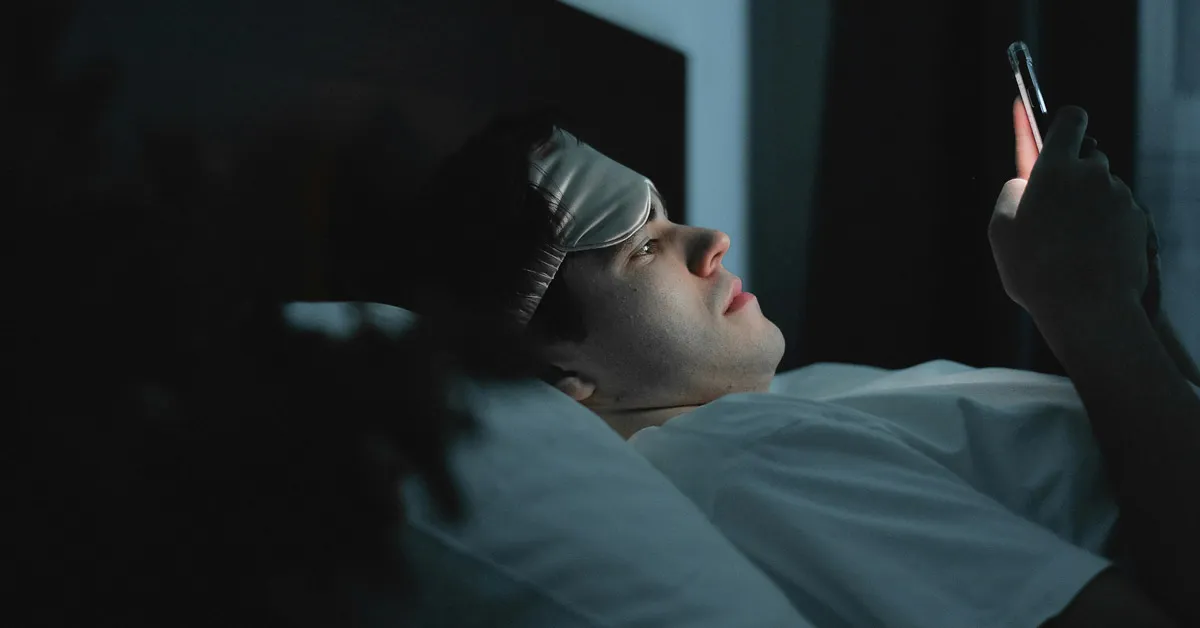
You're exhausted. So you collapse on the couch with your phone, thinking you're resting. Your brain, though, is still working hard—processing notifications, switching between apps, responding to infinite content streams. You're not unwinding. You're just tired while staying wired.
This contradiction sits at the heart of a growing paradox in American life. Even as more people say they practice self-care, mental health surveys show we're feeling worse. One-third of U.S. adults report feeling overwhelmed most days. Since Gallup began tracking it in 2001, self-rated mental health has hit its lowest point. Something about how we're trying to recover isn't actually working.
A public health professor discovered this firsthand after a concussion forced her into two months of strict screen rest. No phones, no TV, no digital input. The results surprised her: better sleep, a longer attention span, a kind of mental quiet she hadn't felt in years. It wasn't magical. It was neuroscience. When you reduce cognitive and emotional stimuli, your brain's regulatory systems get a genuine chance to recover from chronic overload.
We're a new kind of news feed.
Regular news is designed to drain you. We're a non-profit built to restore you. Every story we publish is scored for impact, progress, and hope.
Start Your News DetoxThe Rest That Isn't
Here's the problem: watching TV is now America's most popular leisure activity—far ahead of exercise, socializing, or reflection. Add gaming, movies, and the constant hum of smartphone use (the average adult spends several hours daily on their phone), and most people's "downtime" is actually quite demanding on the brain.
Pre-internet leisure had natural stopping points. You watched a movie, it ended. You read a book, you finished a chapter. Modern digital life doesn't work that way. Notifications interrupt. Algorithms serve endless content. You're constantly switching attention between streams, which draws on the exact neural systems you're trying to rest.
Sitting still while scrolling looks like recovery. Biologically, it isn't. Digital media stimulate attention, emotion, and sensory processing—keeping your nervous system in a heightened state of arousal even while you're lying down. You're not resting your brain. You're just tired while it stays active.
What Actually Works
The solution isn't complicated, though it might feel impossible: reduce the number of demands placed on your brain. Not by adding new coping strategies. By subtracting stimulation.
This means fewer screens simultaneously (not your phone while watching TV). Fewer task-switches and interruptions. More time in low-stimulation spaces—quiet rooms, outdoors, anywhere without competing for your attention. And more time with analog or low-novelty activities: reading print, journaling, gentle movement, walking without your phone.
The goal isn't to abandon technology entirely. Most people can't, and don't need to. It's to protect genuine cognitive rest—time when your brain isn't processing new information, responding to demands, or tracking what's happening next. That's when actual restoration happens.
It's the difference between looking relaxed and being restored. One feels easier. The other actually works.