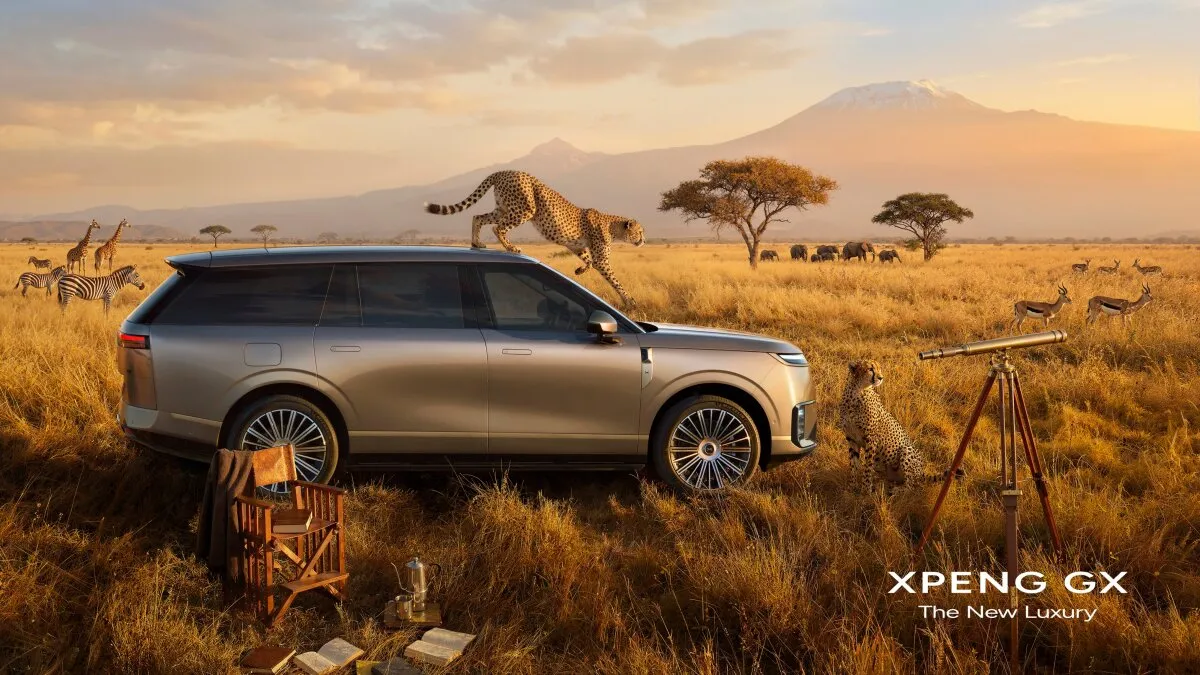
Xpeng's upcoming GX crossover looks familiar at first glance—Range Rover proportions, premium SUV stance. But underneath, it's running on technology that most cars won't see for another decade.
The standout feature is steer-by-wire: no mechanical link between your steering wheel and the wheels themselves. Everything runs through software. It sounds like science fiction until you realize it's already here, just not yet in your driveway.
What makes this different
The GX is built on Xpeng's SEPA 3.0 architecture, which means the car's suspension actively adjusts itself based on road conditions in real time. The system can handle Level 4 autonomous driving—the kind where the car genuinely takes over, not just assists. There's an AR heads-up display that layers navigation and information directly onto the windshield view. These aren't gimmicks; they're features that change how you actually drive.
We're a new kind of news feed.
Regular news is designed to drain you. We're a non-profit built to restore you. Every story we publish is scored for impact, progress, and hope.
Start Your News DetoxXpeng is offering three powertrain options. The base rear-wheel-drive electric version produces 362 horsepower. Step up to all-wheel drive and you get 577 horsepower split between two motors. But the interesting choice is the extended-range hybrid: a gas engine acts as a generator to keep the battery topped up, giving you over 600 miles of total range—a real solution for people who need long-distance capability without committing fully to charging infrastructure.
The design addresses a real frustration with three-row SUVs: they're often cramped, hard to park, and wasteful with interior space. The GX's 122.6-inch wheelbase and thoughtful packaging actually deliver on the promise of a six-seater that doesn't feel like you're driving a moving van.
At $57,600 to $72,000, the GX sits in premium territory, competing against other high-end Chinese EVs like the Li Auto L9 and Aito M9. It's the most expensive vehicle Xpeng has built to date. The question isn't whether the technology works—it does. The question is whether Western markets will ever get the chance to find out.