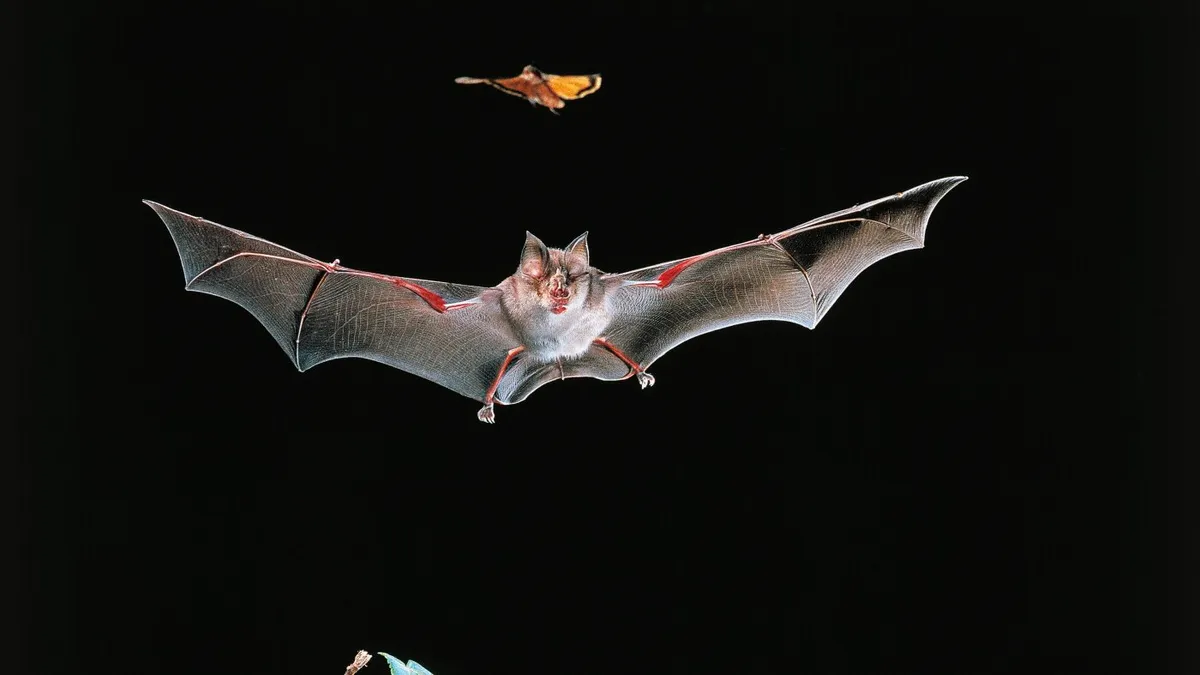
Vaccinating bats could protect both the animals and humans from deadly diseases. Chinese researchers are exploring new ways to do this, including using mosquitoes to deliver vaccines.
Why Vaccinate Bats?
Bats carry many dangerous viruses like Ebola, Nipah, Hendra, coronaviruses, and rabies. These viruses can be fatal if they spread to humans. Aihua Zheng, a virologist at the Chinese Academy of Sciences, notes that more bat-borne viruses are being discovered.
When these viruses jump to humans, the results are often deadly. This has led some to kill bats, but Zheng explains that culling bats can actually increase human contact with them, raising infection risks. Also, bats are vital for the environment, pollinating plants and controlling insects. They are already threatened by habitat loss and diseases.
We're a new kind of news feed.
Regular news is designed to drain you. We're a non-profit built to restore you. Every story we publish is scored for impact, progress, and hope.
Start Your News DetoxZheng and his team published a paper in Science Advances suggesting a different solution: vaccinating bats. This approach protects both humans and animals.
How to Vaccinate a Bat
The main challenge is how to vaccinate bats effectively. Earlier studies tried applying topical vaccines to bat fur, which bats would then lick off. This worked in the lab but was hard to do on a large scale in the wild.
The Mosquito Method
Zheng's team decided to use mosquitoes as tiny vaccine delivery tools. They fed mosquitoes blood containing genetically engineered vaccines for Nipah and rabies. The vaccines then appeared in the mosquitoes' bodies and salivary glands.
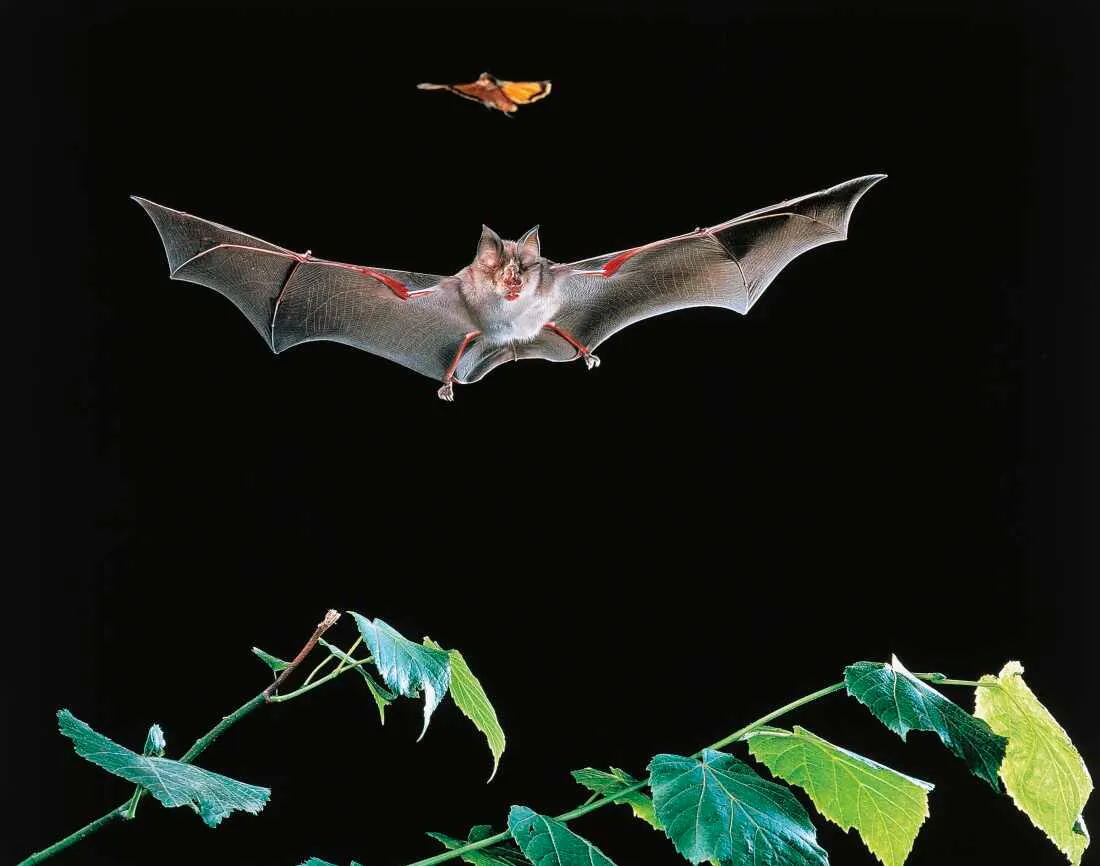
The researchers tested this on mice and other rodents. Then, they caught insect-eating bats near Beijing. In the lab, bats were exposed to the special mosquitoes either by being bitten or by eating the mosquitoes.
Weeks later, blood tests showed the bats had developed antibodies, meaning they had an immune response. Bats that developed rabies antibodies were then infected with the actual rabies virus. Most of these vaccinated bats survived, which would normally be a death sentence.
Zheng envisions releasing these modified mosquitoes into caves to vaccinate wild bats. He hopes that over time, most bats would become immune.
Oral Vaccine Solution
The mosquito method might not work everywhere, so the researchers developed a second approach: an oral rabies vaccine in a saline solution. Bats in the lab readily drank this solution. This also protected the bats from rabies infection. Zheng is very excited about these results.
Ausraful Islam, a veterinarian and infectious disease specialist in Bangladesh, called this an "amazing study." He believes that if successful in the wild, this approach could greatly help countries dealing with bat-borne viruses. However, more research is needed to see how long immunity lasts and how practical large-scale vaccination campaigns would be.
Zheng and his team are planning more studies and seeking international partners to advance this innovative solution.
Deep Dive & References
- A novel strategy for bat vaccination against emerging infectious diseases - Science Advances
- Oral vaccination of vampire bats with a recombinant rabies virus glycoprotein vaccine - PLOS Neglected Tropical Diseases