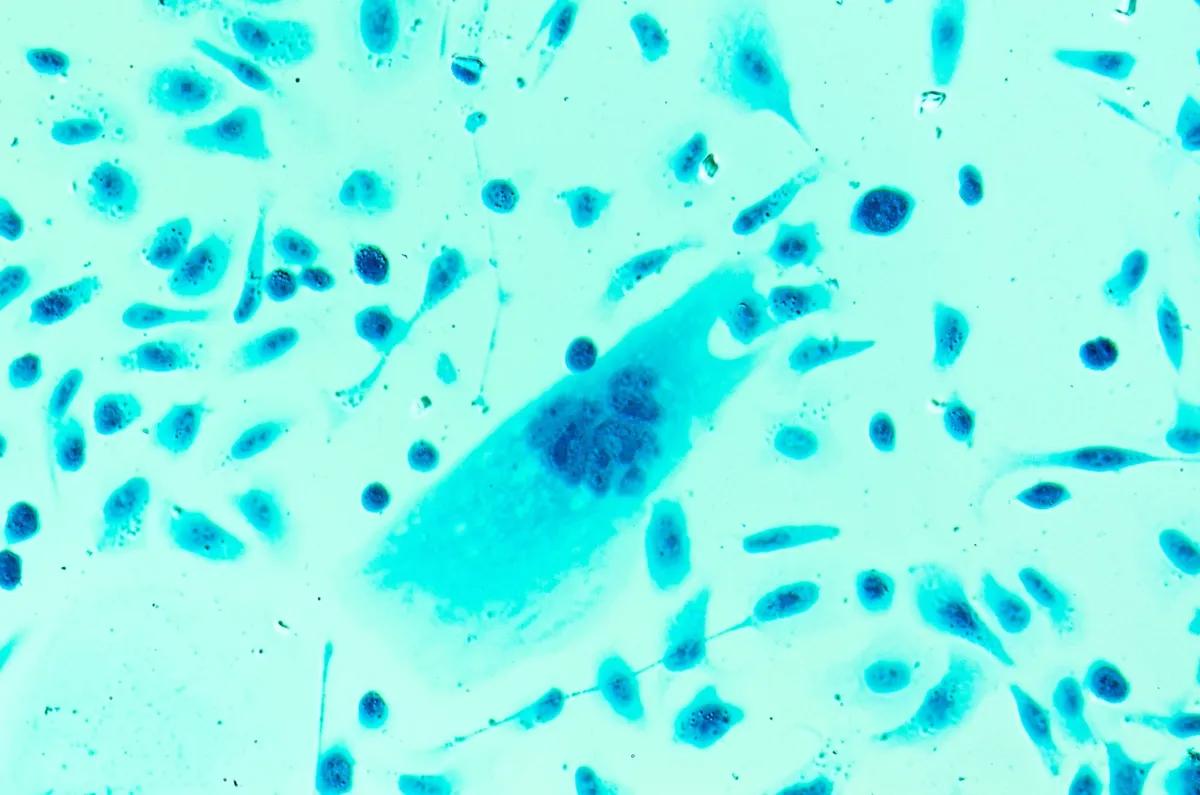
Researchers just mapped the genetic blueprint of feline cancers for the first time, and what they found is wild: cats and humans get cancer from remarkably similar genetic mutations. The discovery, published in Science, analyzed tumor samples from nearly 500 domestic cats across five countries—the largest genetic study of cat cancer ever attempted.
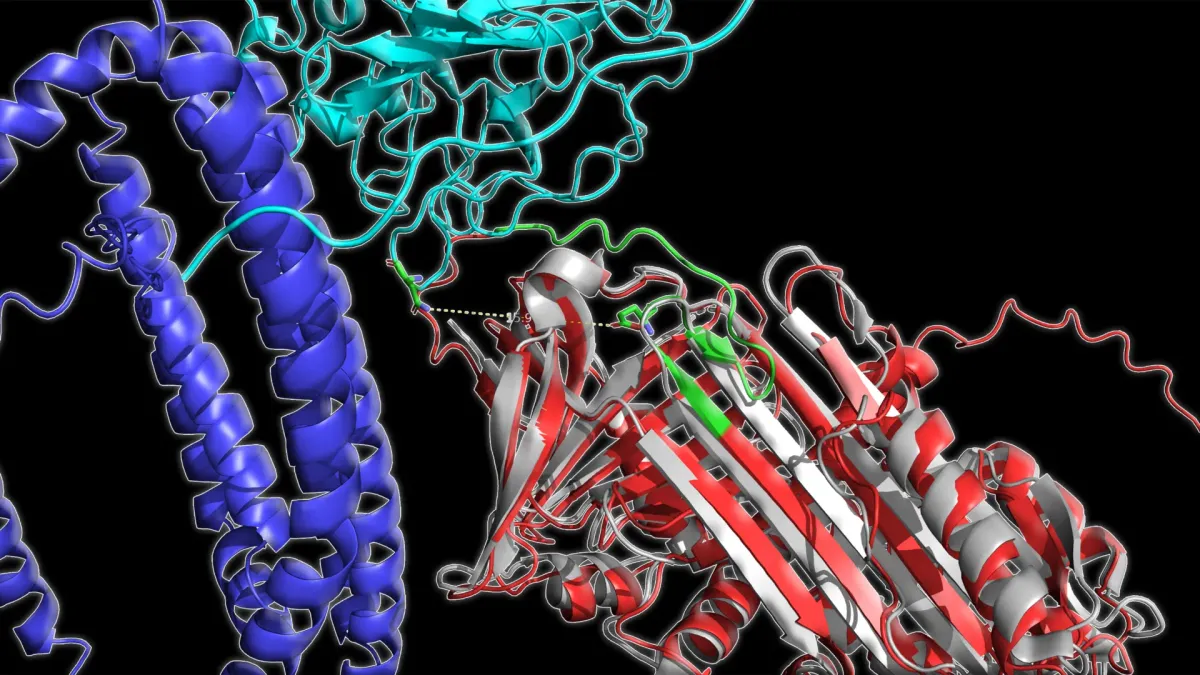
The parallels are striking. A gene called FBXW7 showed up mutated in more than 50 percent of feline mammary tumors. In human breast cancer, the same FBXW7 mutations are linked to worse outcomes. The pattern holds across other cancer types too—blood, bone, lung, skin, and brain tumors all showed genetic echoes between cats and humans.
Why does this matter? Cats share our homes, our neighborhoods, our air, and probably some of our environmental risks. That overlap means understanding how cancer develops in one species could directly illuminate the other.
We're a new kind of news feed.
Regular news is designed to drain you. We're a non-profit built to restore you. Every story we publish is scored for impact, progress, and hope.
Start Your News DetoxThe Treatment Clue
Here's where it gets interesting: when researchers tested chemotherapy drugs on feline tumor tissue in the lab, certain drugs worked better against tumors carrying FBXW7 mutations. It's early-stage work—tissue samples, not living animals—but it hints at a possibility: treatments designed for humans could be tested in cats, and discoveries from cat clinical trials could guide human research.
Dr. Geoffrey Wood, a pathobiology professor at the University of Guelph and one of the study's leaders, puts it plainly: "This study can help us understand more about why cancer develops in cats and humans, how the world around us influences cancer risk, and possibly find new ways to prevent and treat it."
The research represents what scientists call the One Medicine approach—breaking down the wall between veterinary and human medicine so discoveries flow both directions. Dogs already benefit from advanced cancer research; this work suggests cats could too, and that progress in feline oncology might accelerate human trials down the line.
Dr. Louise Van Der Weyden, senior author at the Wellcome Sanger Institute, frames the next chapter: "We can now begin to take the next steps forwards towards precision feline oncology, to catch up with the diagnostic and therapeutic options that are available for dogs with cancer, and ultimately one day, humans."
The team sequenced DNA from tumor samples veterinarians had already collected for diagnosis—no additional animal testing required. That's the efficiency that made this scale of analysis possible for the first time.