Alzheimer's disease affects about 7.2 million Americans aged 65 and older. Current tests look at levels of amyloid beta (Aβ) and phosphorylated tau (p-tau) proteins in blood or spinal fluid. However, these tests might not show the very first changes happening in the body as the disease starts.
Researchers at Scripps Research have developed a new blood test. Instead of measuring how much protein is present, it looks at how proteins are folded in the bloodstream. Their findings, published in Nature Aging in February 2026, show that structural differences in three specific blood proteins are strongly linked to Alzheimer's. This method could help diagnose the disease and start treatment earlier.
John Yates, a professor at Scripps Research and senior author, noted that many brain diseases are caused by changes in protein structure. The team wanted to see if these structural changes could be used as early warning signs.
We're a new kind of news feed.
Regular news is designed to drain you. We're a non-profit built to restore you. Every story we publish is scored for impact, progress, and hope.
Start Your News DetoxProtein Folding and Alzheimer's
For a long time, Alzheimer's has been linked to amyloid plaques and tau tangles in the brain. But scientists now think the disease might also involve a wider problem with "proteostasis." This system makes sure proteins fold correctly and removes damaged ones.
As people get older, this system doesn't work as well. Proteins are more likely to fold incorrectly. The researchers thought that if this system is failing in the brain, similar structural changes might also show up in proteins in the blood.
Analyzing Blood Protein Changes
To test this idea, the team studied blood samples from 520 people. These included adults with normal thinking abilities, individuals with mild cognitive impairment (MCI), and patients diagnosed with Alzheimer's.
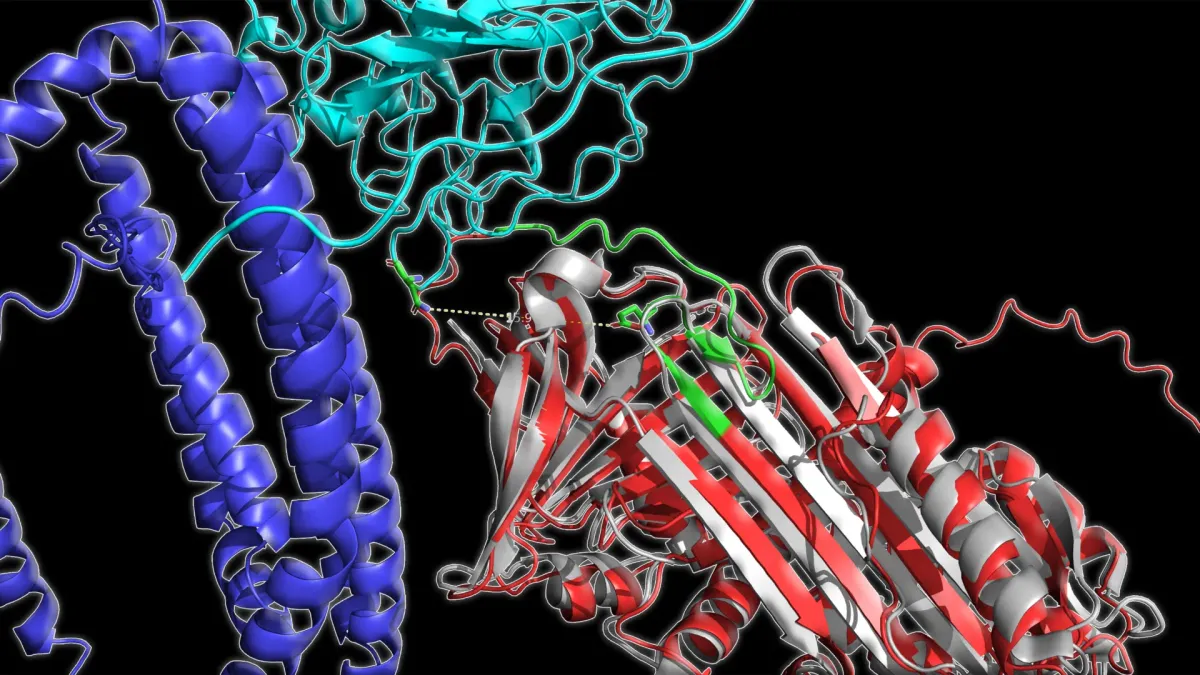
Scientists used a method called mass spectrometry to see how exposed or hidden certain parts of proteins were. This tells them about changes in the protein's structure. Then, they used machine learning to find patterns related to the disease stage.
They found a clear pattern: as Alzheimer's got worse, some blood proteins became less "open" in their structure. These structural changes were better at identifying the disease stage than just measuring how much protein was there.
Three Proteins Linked to Alzheimer's
Three proteins showed the strongest link to Alzheimer's:
- C1QA: Involved in immune signaling.
- Clusterin: Helps with protein folding and removing amyloid.
- Apolipoprotein B: Carries fats in the blood and helps blood vessel health.
Casimir Bamberger, a senior scientist at Scripps Research and co-author, said the correlation was "amazing." He was surprised to find three specific spots on these proteins that matched the disease state so closely.
By looking at changes in these three proteins, researchers could correctly classify people as cognitively normal, MCI, or Alzheimer's with about 83% accuracy. When comparing just two groups, like healthy people versus those with MCI, the accuracy went up to over 93%.
Tracking Alzheimer's Over Time
The three-protein model worked well when tested on new groups of people and with blood samples taken months apart.
In repeat tests, the panel identified disease status with about 86% accuracy. It also showed changes in diagnosis over time. The structural score also matched results from cognitive tests and brain shrinkage seen on MRI scans.
These findings suggest that looking at protein structure in the blood could add to current amyloid and tau tests. This method focuses on structural changes tied to the disease's biology. It could help identify disease stages, track how it progresses, and see if treatments are working.
Future Possibilities
Yates emphasized that finding Alzheimer's markers early is crucial for developing effective treatments. If treatment can start before much damage occurs, it might be possible to better protect long-term memory.
More extensive studies with longer follow-up periods are needed before this blood test can be used in clinics. Researchers are also looking into whether this same method could be used for other diseases like Parkinson's and cancer.
Deep Dive & References
Structural signature of plasma proteins classifies the status of Alzheimer's disease - Nature Aging, 2026