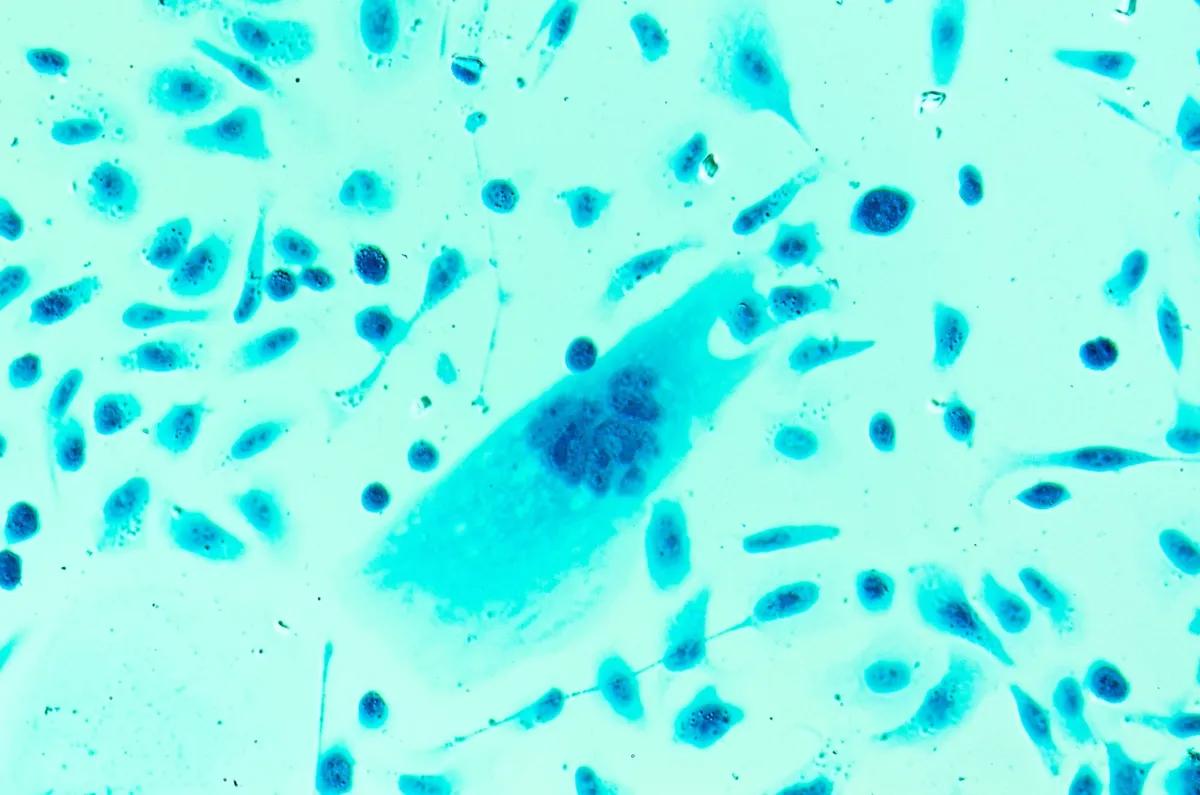
Immunotherapy has changed how we treat many cancers, like melanoma and lung cancer. But prostate cancer has been a challenge. Researchers call it "immune-cold" because the body's immune system doesn't effectively fight it. This makes it hard to treat with standard immunotherapies.
Now, a new drug called VIR-5500 might be changing that.
In an early trial, 58 men with advanced prostate cancer received VIR-5500. These men had stopped responding to other treatments. The drug is an engineered antibody from Vir Biotechnology. The results were shared at a medical symposium and have not yet been reviewed by other experts. Still, they have caught the attention of many researchers.
Promising Early Results
At the highest dose of VIR-5500, 82% of patients saw their PSA levels drop by at least half. PSA (prostate-specific antigen) is a protein in the blood that helps track cancer activity.
We're a new kind of news feed.
Regular news is designed to drain you. We're a non-profit built to restore you. Every story we publish is scored for impact, progress, and hope.
Start Your News DetoxMore specifically:
- 53% of these patients had their PSA drop by at least 90%.
- 29% saw a drop of at least 99%.
Among 11 patients at the highest dose with measurable tumors, five showed their tumors shrinking. One patient, a 63-year-old man, had cancer that spread to his liver. He had 14 cancerous liver spots that completely disappeared after six treatment cycles. Most participants (88%) had only mild side effects.
Professor Johann de Bono, who led the research, called the results "stunning." He believes these treatments could lead to cures in the long run.
How VIR-5500 Works
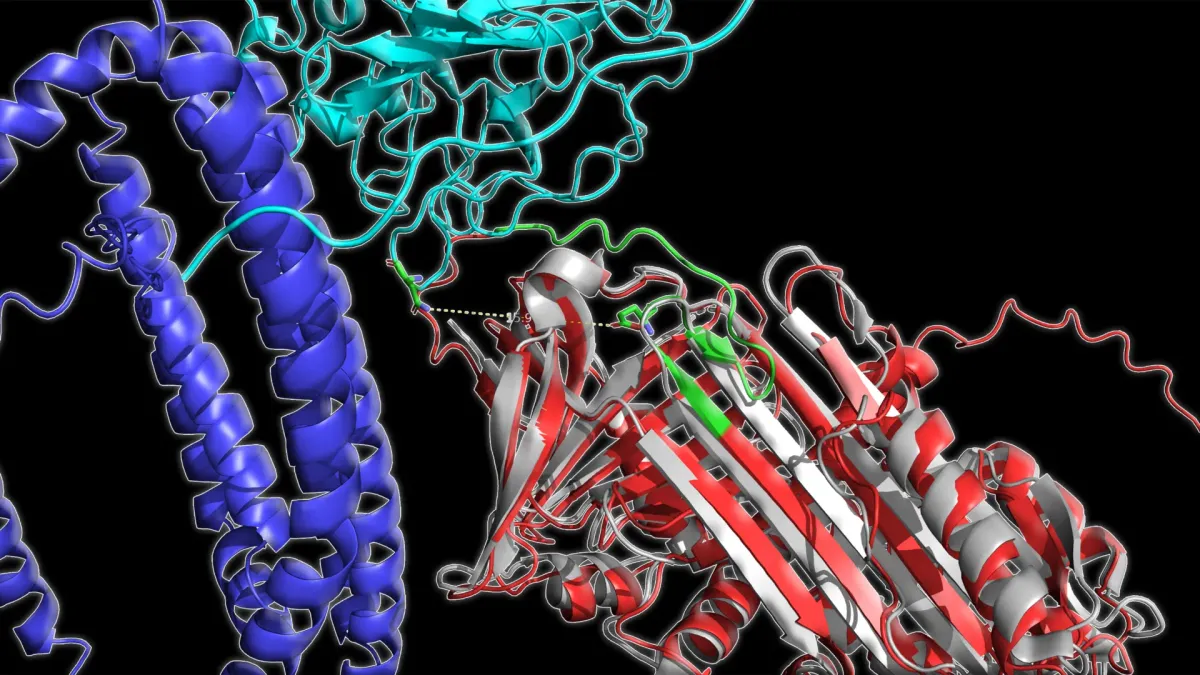
VIR-5500 is a T-cell engager. This type of drug helps the immune system's killer T-cells find and destroy tumor cells that are trying to hide. Other similar drugs have caused severe inflammation in prostate cancer patients, limiting their use.
VIR-5500 is different because it only activates inside the tumor. This design helps keep side effects low. It also allows the drug to stay in the bloodstream longer, which might mean fewer doses are needed over time.
What Experts Are Saying
Charlotte Bevan, a professor of cancer biology, called the potential breakthrough "very exciting." She noted it opens up a new type of drug for prostate cancer. She also stressed the importance of including diverse patient groups in future trials. This is important because prostate cancer outcomes differ across ethnic groups.
Simon Grieveson from Prostate Cancer UK highlighted the urgent need for new treatments. He noted that over 12,000 men die from prostate cancer each year in the UK. He called these early results "extremely promising" and hopes larger trials will offer men more time with their families.
Professor de Bono confirmed that more clinical trials are being planned. While these are early, unreviewed results, seeing tumors shrink and lesions disappear is a strong sign for a cancer that has resisted immunotherapy for so long.
Deep Dive & References
Vir Biotechnology Announces Encouraging Safety and Efficacy Data in Ongoing Dose Escalation Trials for Dual-Masked T-Cell Engagers VIR-5818 in Solid Tumors and VIR-5500 in mCRPC - Vir Biotechnology, 2025