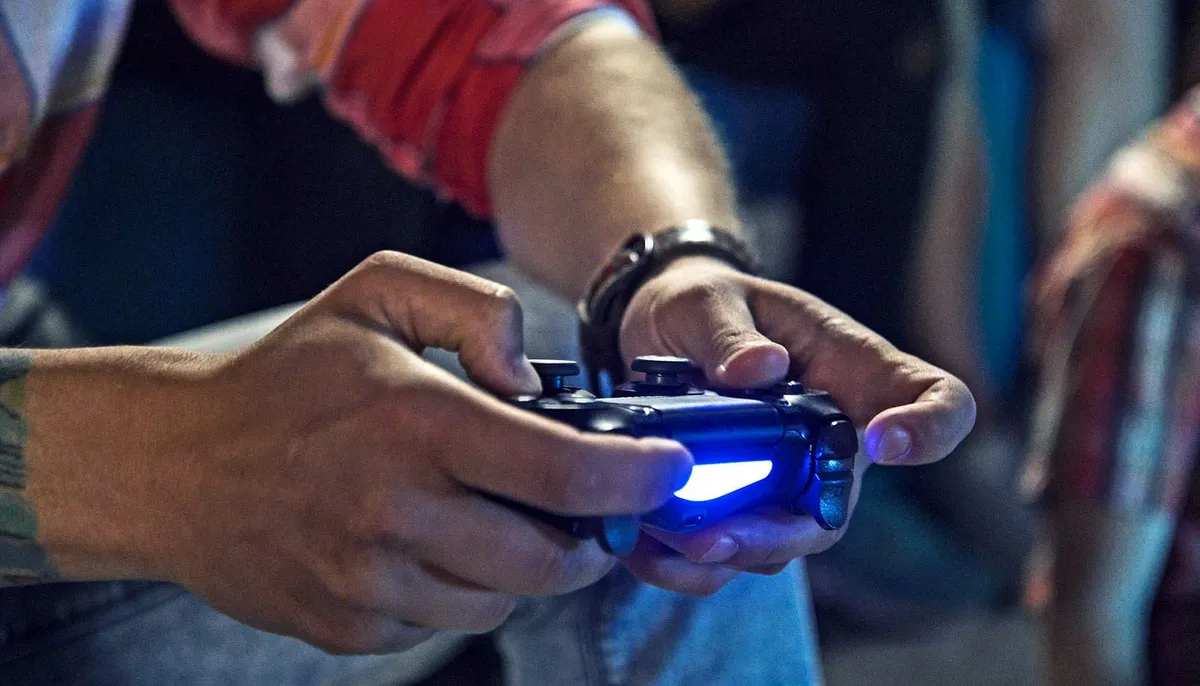
Nearly two-thirds of gamers reach for their controller when stress hits. A new study from Boston University's College of Communication suggests they're onto something—video games aren't just escapism, they're a legitimate tool for emotional regulation.
Researchers surveyed 350 undergraduate and graduate students about their gaming habits and emotional states before, during, and after play. The results were clear: 64% used games to cope with stress, with players gravitating toward turn-based strategy, first-person shooters, and role-playing games across computers, consoles, and phones.
But here's what makes this research different from the usual "gaming is bad for you" discourse. Rather than treating all games as one monolithic thing, the researchers looked at why people play and how that shapes the emotional payoff. Players who engaged with games for their stories, social connection, or escapism reported stronger boosts in positive feelings. Those seeking autonomy and exploration saw the biggest drop in negative emotions.
We're a new kind of news feed.
Regular news is designed to drain you. We're a non-profit built to restore you. Every story we publish is scored for impact, progress, and hope.
Start Your News DetoxThe Resilience Lesson
The study grew from researcher Tiernan Cahill's earlier work tracking how games like Animal Crossing surged during the COVID-19 pandemic. But Cahill suspected something deeper was happening—that games weren't just taking the edge off a bad day, but actually teaching something transferable to real life.
Unlike passively watching Netflix, games demand constant effort to progress. That matters. When you finally defeat a boss after five failed attempts, you're not just experiencing a dopamine hit—you're internalizing a lesson about persistence. "Maybe you failed five job interviews, but the sixth one might go well," Cahill explains. That's not just emotional recovery; it's resilience building.
The mechanism works because games are what scholars call "ergodic literature"—they require labor to engage with them. A character's struggle in-game becomes a metaphor players can apply to their own setbacks. The victory feels earned, and the sense of competence sticks around after you put the controller down.
The Crucial Detail: It Depends
Here's where the research gets important for anyone dismissing or promoting gaming wholesale: emotional outcomes depend entirely on what someone is actually playing and why they're playing it. A farming simulator scratches a completely different psychological itch than a competitive shooter. Even the same game—say, Fortnite—delivers wildly different experiences depending on whether you're chasing the adrenaline of fast-paced combat or the social connection of playing with friends.
Cahill is clear on this: "There are going to be some play experiences that are incredibly emotionally complex, rewarding, and stimulating, and there are others that are actually going to be detrimental to someone's well-being." The blanket warnings about "gaming" miss the point entirely.
What matters is understanding the specifics—not whether someone games, but what they're playing and why. For parents, policymakers, and gamers themselves, that distinction changes everything. The mental health benefit isn't in the screen time; it's in the intentionality behind it.
As gaming becomes a standard part of how adults manage stress and build emotional skills, the conversation is shifting from whether games are good or bad to which games, played in which ways, actually serve someone's wellbeing.