A single intravenous dose of DMT, paired with structured therapy, has produced measurable improvements in depression that lasted up to six months — offering a potential lifeline for the roughly 100 million people worldwide whose depression hasn't budged despite trying multiple antidepressants.
In a trial published in Nature Medicine, researchers at Imperial College London gave 34 adults with moderate to severe treatment-resistant depression either a 21.5 milligram dose of DMT or a placebo, both embedded within psychotherapy sessions. Those who received DMT showed significantly greater improvements on standard depression rating scales, with gains sustained for three to six months afterward. "There is an immediate antidepressant effect that is significantly sustained over a three-month period and that's exciting because this is one session with a drug, embedded in psychological support," said Dr. David Erritzoe, the study's lead investigator.
Treatment-resistant depression is a particular kind of exhaustion — not just sadness, but the frustration of trying medication after medication with little relief. Roughly half of people with this form of depression struggle to manage basic daily tasks. For them, conventional antidepressants have failed. That's where psychedelic-assisted therapy enters the picture.
We're a new kind of news feed.
Regular news is designed to drain you. We're a non-profit built to restore you. Every story we publish is scored for impact, progress, and hope.
Start Your News DetoxHow a 25-minute experience reshapes thinking
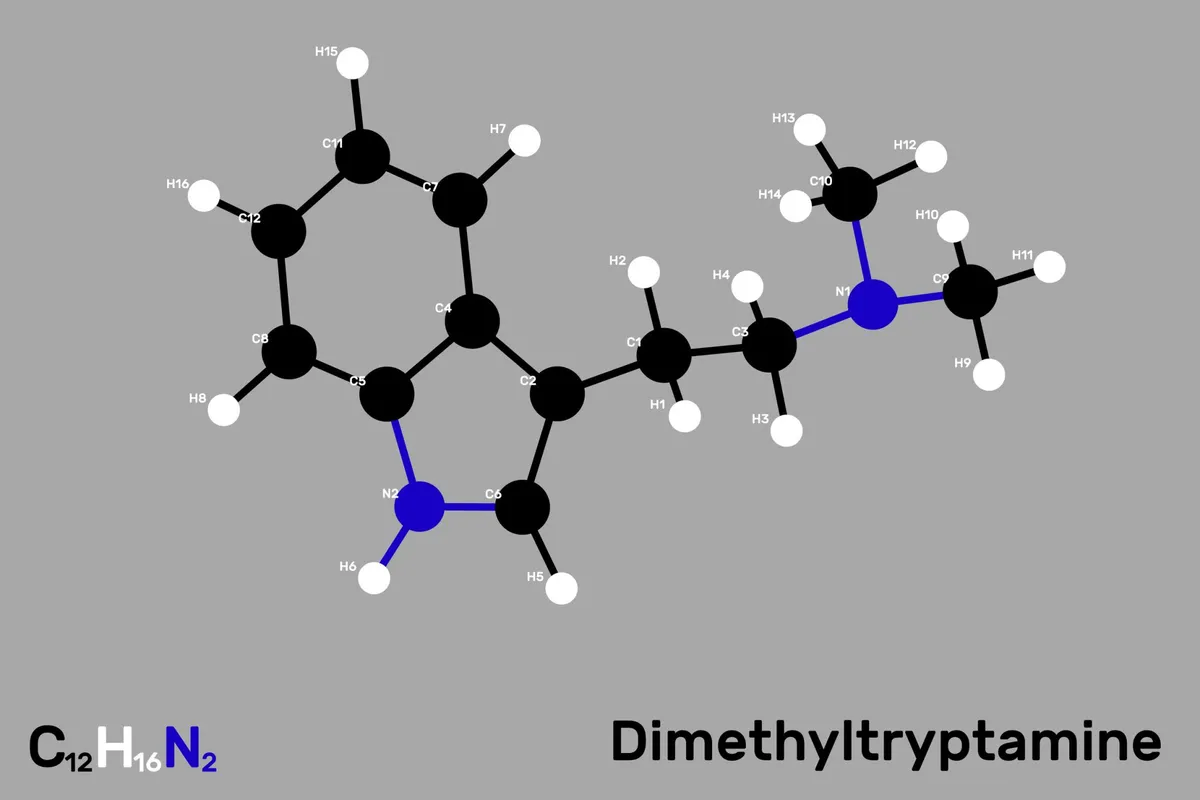
DMT is a naturally occurring compound found in ayahuasca, a ceremonial brew used in parts of South America. In clinical doses, it produces intense, immersive experiences that shift how people perceive time, space, and self — but crucially, it works fast and exits the body quickly. A DMT session lasts roughly 25 minutes, compared to several hours for psilocybin (the active compound in magic mushrooms). That brevity could make it more practical for clinical settings, though the intensity of the experience means patients need skilled support during and immediately after.
Erritzoe describes the mechanism in terms of mental rigidity. Depression often locks people into repetitive thought patterns — like a snow-covered mountain where the same paths are always taken. "You redistribute the snow so it's easier to take new tracks, and at the same time it becomes easier to take new routes because the landscape has been flattened," he explains. Psychedelics appear to temporarily soften these entrenched patterns, making room for therapy to work differently.
In a second phase, all 34 participants received DMT with therapy. Researchers found no additional benefit from two doses, suggesting one session may be sufficient.
The road ahead, with caution
These findings build on encouraging results from psilocybin trials for depression, raising the possibility that psychedelic-assisted treatments could eventually gain regulatory approval. But several questions loom. Larger trials are needed before conclusions can be firm. Long-term safety and effectiveness must be thoroughly evaluated. And there's the matter of access and equity.
If approved in the United Kingdom, such therapies would likely first appear in private clinics — raising concerns about who can afford them. Last year, the Feilding Commission was established to guide the ethical rollout of psychedelic-assisted therapies, specifically to prevent profit-driven models from compromising care standards. "Quite how these drugs will fit in this world of financial austerity, stigma and opprobrium towards anything that has the word psychoactive in it, I don't know," said Dr. James Rucker, a consultant psychiatrist at King's College London who has worked on psilocybin research.
For now, researchers emphasize rigor: larger trials, careful safety monitoring, and ensuring any future treatments are delivered with appropriate psychological support. For the millions living with depression that has resisted every conventional option, a single supervised session offering months of relief represents something worth watching closely.