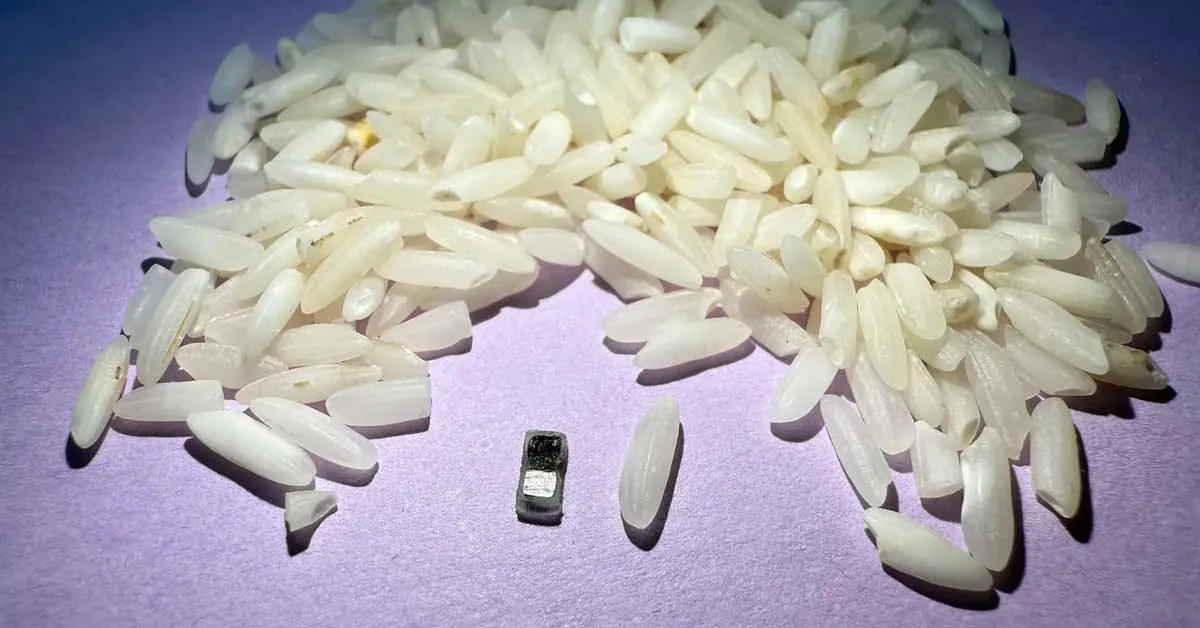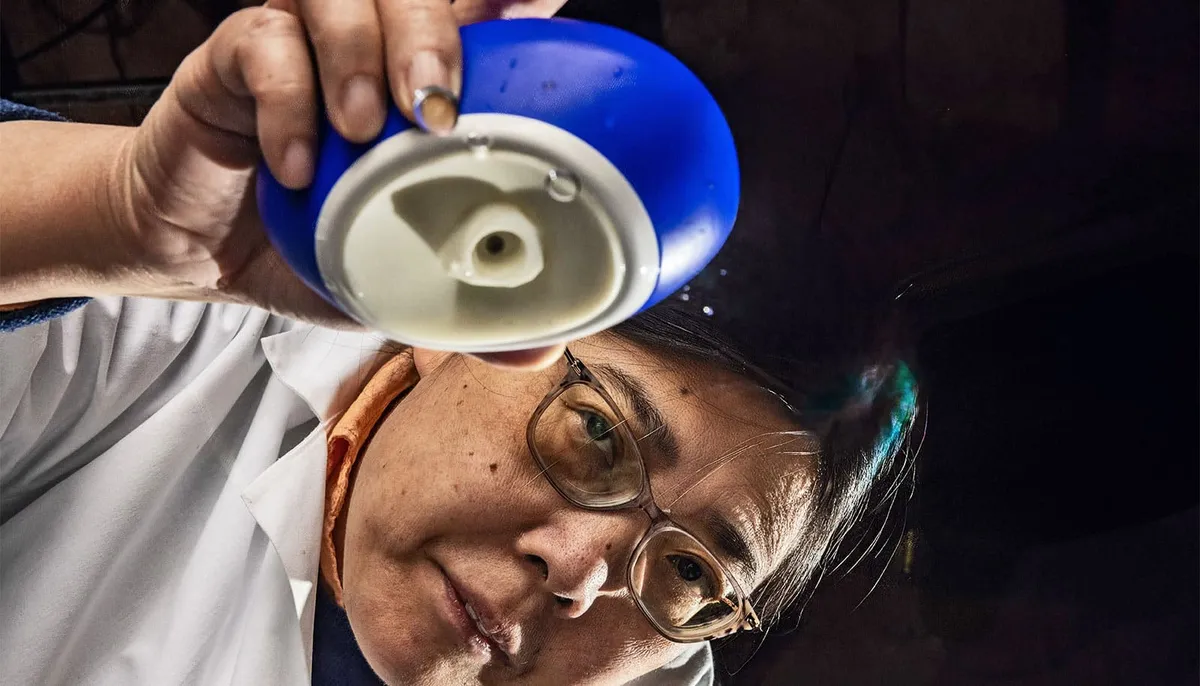
Researchers at the University of Missouri have demonstrated that a needle-free spray device can push antibiotics directly into infected tissue, bypassing the bloodstream and its risk of kidney damage and other serious side effects.
The breakthrough centers on a problem that's become urgent: bacteria like methicillin-resistant Staphylococcus aureus (MRSA) now resist most common antibiotics, leaving vancomycin and a handful of other last-resort drugs as the only options. But vancomycin delivered through the bloodstream can damage kidneys and other organs. Topical creams wash away too easily. The spray-mist device, developed in partnership with Droplette Inc., finds a middle path—it propels the medicine through the skin directly to the infection site, where it's needed most.
Associate professor Hongmin Sun led the research team, which also included Lakshmi Pulakat, now at Tufts University. In their study, the device successfully treated MRSA infections in tissue without the typical organ damage seen with conventional delivery. The work appears in Military Medicine, and the team is already talking with the FDA about clinical trials.
We're a new kind of news feed.
Regular news is designed to drain you. We're a non-profit built to restore you. Every story we publish is scored for impact, progress, and hope.
Start Your News DetoxThe practical applications are immediate. Diabetic foot ulcers, which affect millions globally and often lead to amputation, could benefit. So could battlefield wounds where infection risk is high and medical resources are limited. Sun describes the approach as more targeted—getting the antibiotic where it needs to go, in the concentration needed, without the collateral damage of systemic delivery. Pulakat notes the potential scale: preventing amputations and saving lives in populations where severe wound infections are a serious threat.
The device is still in the research phase, but the pathway forward is clear. If FDA approval follows, this becomes another tool in the fight against drug-resistant infections—a fight we're losing ground in with each passing year.