A new study from Harvard Medical School and Beth Israel Deaconess Medical Center found that 10 yoga sessions can nearly halve the most brutal phase of opioid withdrawal—the period when the body is most likely to break and relapse.
The first few days of withdrawal are the cruelest. Severe insomnia, anxiety, body pain, sweating, and a nervous system stuck in overdrive make people desperate to escape the discomfort. This is when most people quit treatment. But researchers discovered that if you can make those early days shorter and less miserable, people actually stay in recovery.
Why Yoga Works Where Other Tools Struggle
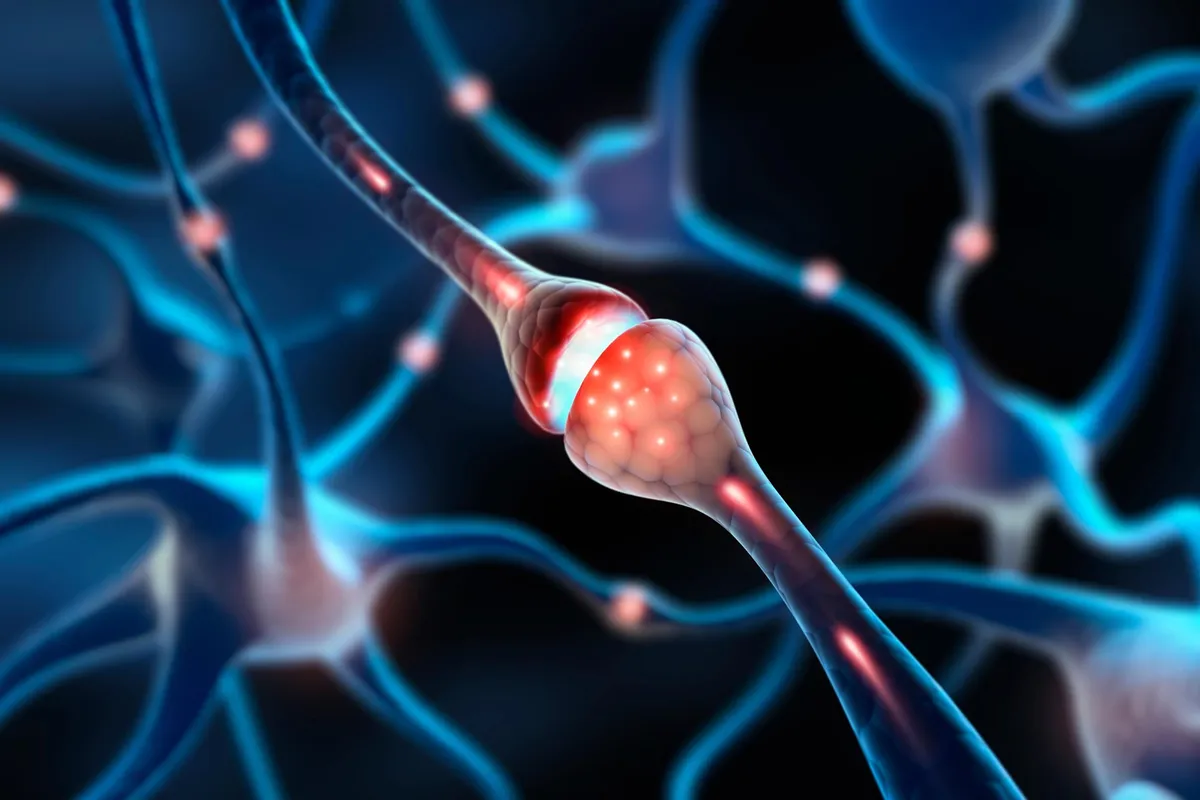
When someone stops taking opioids, their nervous system goes haywire. The "fight or flight" system kicks into overdrive while the calming system shuts down. This imbalance drives cravings and physical distress—racing heart, tremors, that sense of impending doom.
We're a new kind of news feed.
Regular news is designed to drain you. We're a non-profit built to restore you. Every story we publish is scored for impact, progress, and hope.
Start Your News DetoxMedications like buprenorphine can help, and therapy addresses the mental side. But here's the problem: during acute withdrawal, when someone is barely sleeping and can barely think, it's hard to sit down for therapy. Yoga works differently. You can do it while you're suffering. The breathing techniques, gentle movement, and guided relaxation activate the body's natural calming system—the same one withdrawal has turned off. Your heart rate steadies. Your breathing slows. Your nervous system remembers how to rest.
The study, published in JAMA Psychiatry in January, tracked 59 men in India aged 18 to 50 through two weeks of treatment. Half received standard care plus 10 yoga sessions (45 minutes each); the other half received standard care alone. The results were striking: the yoga group moved through the worst phase in five days instead of nine. They also fell asleep faster, reported less pain, and had lower anxiety.
What made the difference was that the yoga was specifically designed for withdrawal. Not Instagram-style yoga. The sessions focused on breathing patterns that calm the nervous system, gentle postures that release tension, and guided relaxation with affirmations—all chosen to counteract the specific way withdrawal hijacks the body.
Why This Matters Beyond the Numbers
About 60 million people worldwide struggle with opioid addiction. In India, where this study took place, opioid use is growing fast. Yet most people who need help don't get it. One reason: withdrawal is so awful that people would rather keep using than face those first nine days.
If you can cut that to five days, you change the math. People are more likely to push through. And once they reach one to three months clean, the odds of lasting recovery jump dramatically.
But there's something else. Yoga isn't something you do to someone in a clinic and then forget. People can keep practicing it after treatment ends. In fact, researchers expect they will. That means this intervention could have ripple effects months and years down the road—a tool people carry with them, something they can reach for when cravings hit or stress builds.
This is the first randomized controlled trial to prove yoga actually works for addiction withdrawal. That matters because it gives addiction specialists evidence to point to. It's inexpensive. It's accessible. It doesn't require a prescription. Researchers involved in the study are already talking about testing it for other substance-use disorders, not just opioids.
The next step is scaling this up—moving from a 59-person study in India to broader use across different settings and countries. But the foundation is laid.