For millions of people with chronic nerve pain, even a light touch can trigger hours of discomfort. The usual treatment approach numbs the pain signal. But researchers at Duke University have found something different: what if you could actually fix the broken machinery inside the nerve cells themselves.
A study published in Nature shows that damaged nerve cells stop working properly because their mitochondria — the tiny energy factories inside every cell — become depleted. When these power plants fail, nerve cells can't generate the energy they need to stay healthy and resist inflammation. The Duke team discovered that restoring mitochondria to these damaged cells significantly reduced pain in mice with diabetic neuropathy and chemotherapy-induced nerve damage. In some cases, the relief lasted up to 48 hours.
"By giving damaged nerves fresh mitochondria — or helping them make more of their own — we can reduce inflammation and support healing," said Ru-Rong Ji, director of the Center for Translational Pain Medicine at Duke. "This approach has the potential to ease pain in a completely new way."
We're a new kind of news feed.
Regular news is designed to drain you. We're a non-profit built to restore you. Every story we publish is scored for impact, progress, and hope.
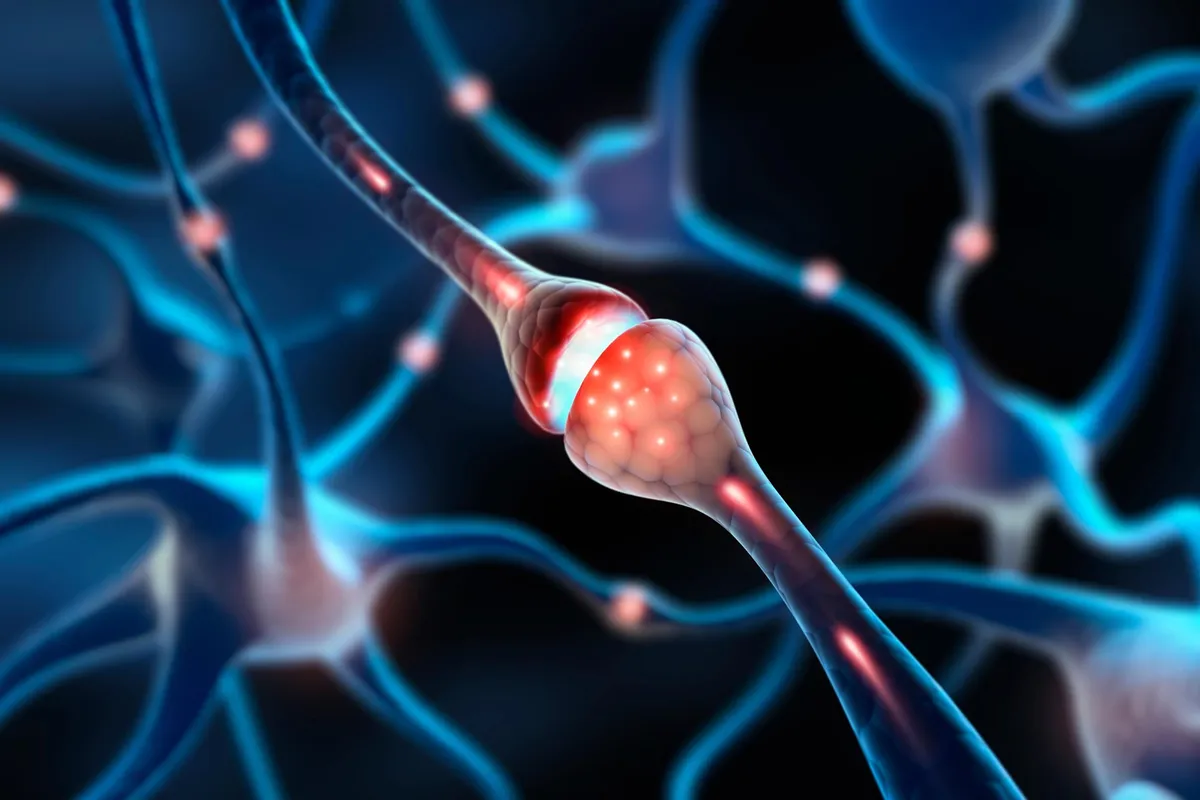
Start Your News DetoxThe insight came from an unexpected source. The researchers found that satellite glial cells — support cells that surround sensory neurons — naturally pass mitochondria to neurons through microscopic tunnels called nanotubes. When this transfer breaks down, nerve fibers deteriorate, leading to pain, tingling, and numbness, especially in the hands and feet where nerve endings are farthest from the spinal cord.
When the team enhanced this mitochondrial exchange in mice, pain behaviors dropped by up to 50%. They also tested a more direct method: injecting healthy mitochondria directly into nerve clusters. It worked, but only with healthy mitochondria. Mitochondria taken from individuals with diabetes didn't produce the same benefit — a finding that suggests the quality of the energy source matters.
What Comes Next
The researchers identified a protein called MYO10 as the key to forming those nanotubes in the first place. Understanding this molecular machinery opens a new target for treatment. Rather than just blocking pain signals, this approach could address what researchers believe is the actual root cause: the energy crisis inside nerve cells.
The work reveals a previously hidden communication pathway between nerve cells and the support cells around them. More research is needed, including high-resolution imaging to watch how nanotubes deliver mitochondria inside living nerve tissue. But the direction is clear: chronic nerve pain might not be something you simply have to live with. It might be something you can actually repair.