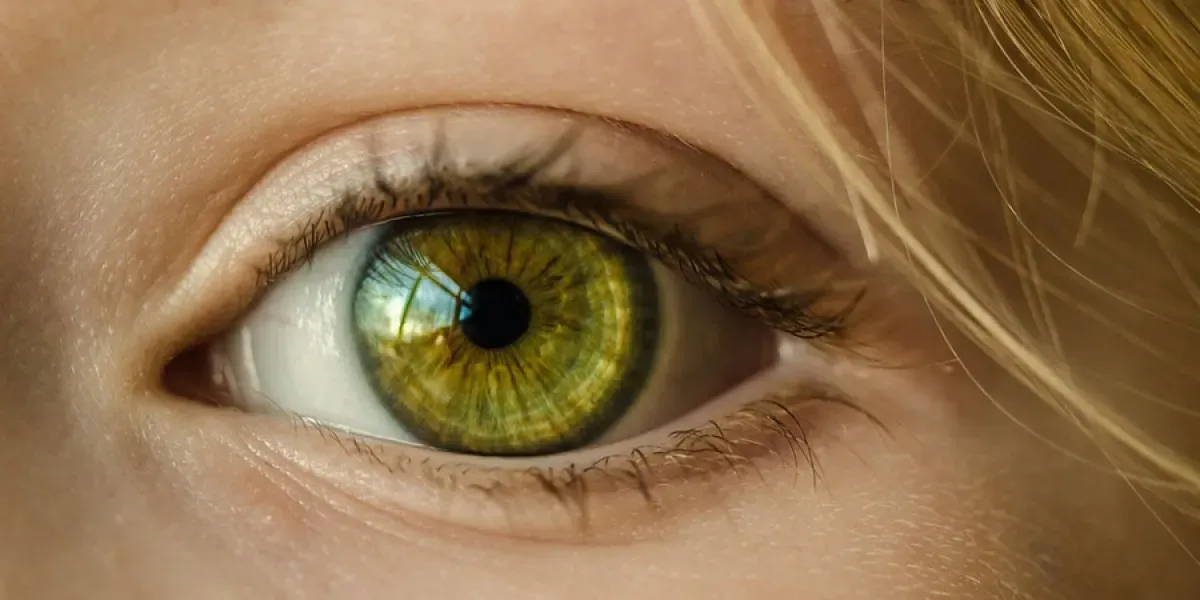
For decades, children with amblyopia—commonly called lazy eye—faced a hard truth: if the condition wasn't caught and treated in early childhood, the brain's wiring was locked in. The affected eye would remain permanently weak, even if the physical problem causing it was fixed. But new research from MIT suggests that door might not be as sealed as we thought.
MIT neuroscientist Mark Bear and his team discovered something unexpected in mice with lazy eye: temporarily anesthetizing the weak eye for just two days rewired neural connections in the brain, restoring vision to the affected eye even in adult animals. The effect persisted after the anesthetic wore off.
The Brain's Second Chance
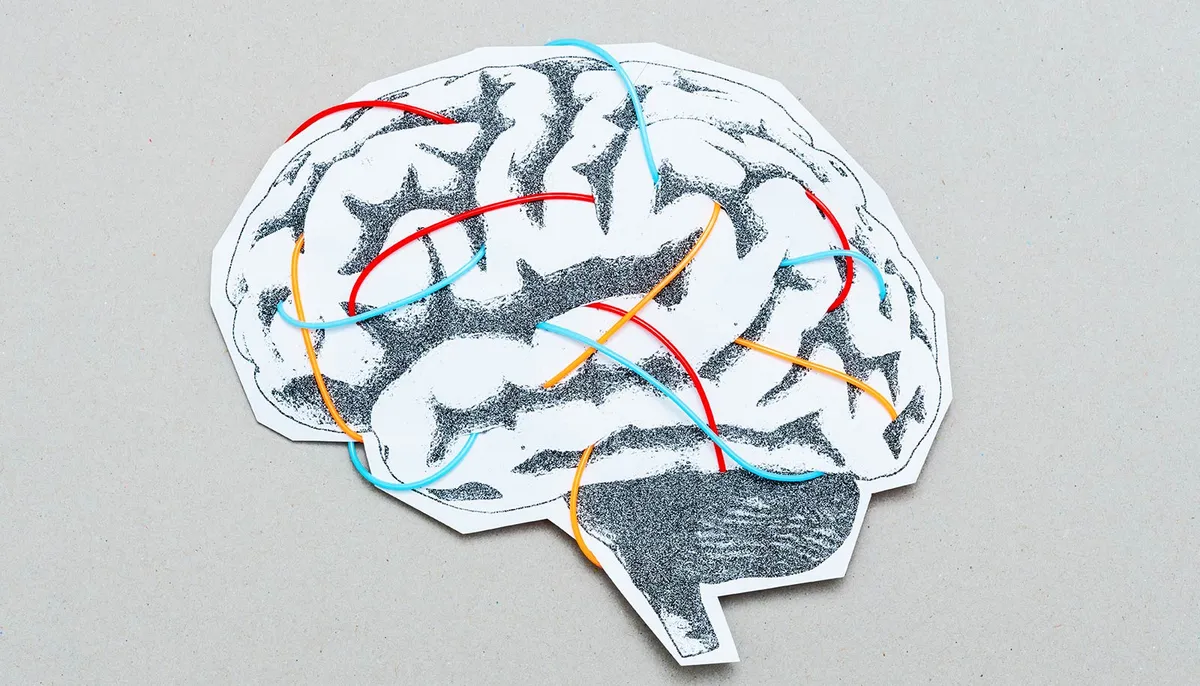
Bear's lab has been studying amblyopia for years, and they'd already found that patching the healthy eye—the traditional childhood treatment—could trigger rewiring. But they wanted to understand why. When they blocked one retina from sending signals to the brain, something surprising happened: neurons in the visual relay station started firing in rapid bursts, a pattern that normally only occurs before birth, when the brain is first learning to connect the eyes to the visual cortex.
We're a new kind of news feed.
Regular news is designed to drain you. We're a non-profit built to restore you. Every story we publish is scored for impact, progress, and hope.
Start Your News DetoxThose bursts turned out to be the key. The team confirmed that this burst activity was necessary for the treatment to work, and it happened regardless of which eye was targeted. After two days of anesthetizing the weak eye, they measured activity across the visual cortex and found the ratio of signals from each eye had become much more balanced. The lazy eye was communicating with the brain almost as effectively as the healthy one.
What makes this finding potentially significant is practical: it means the healthy eye doesn't need to be patched or covered during treatment. Instead, the weak eye is temporarily silenced—a gentler intervention that doesn't disrupt normal vision while the rewiring happens.
Bear is careful about the next steps. The team needs to test whether this works in other animals and eventually in humans. The biology of a mouse brain isn't identical to a human brain, and amblyopia in people is more complex. But if the approach translates, it could change how adults with lazy eye are treated—shifting from a condition considered permanently fixed in childhood to something that might be reversible at any age.