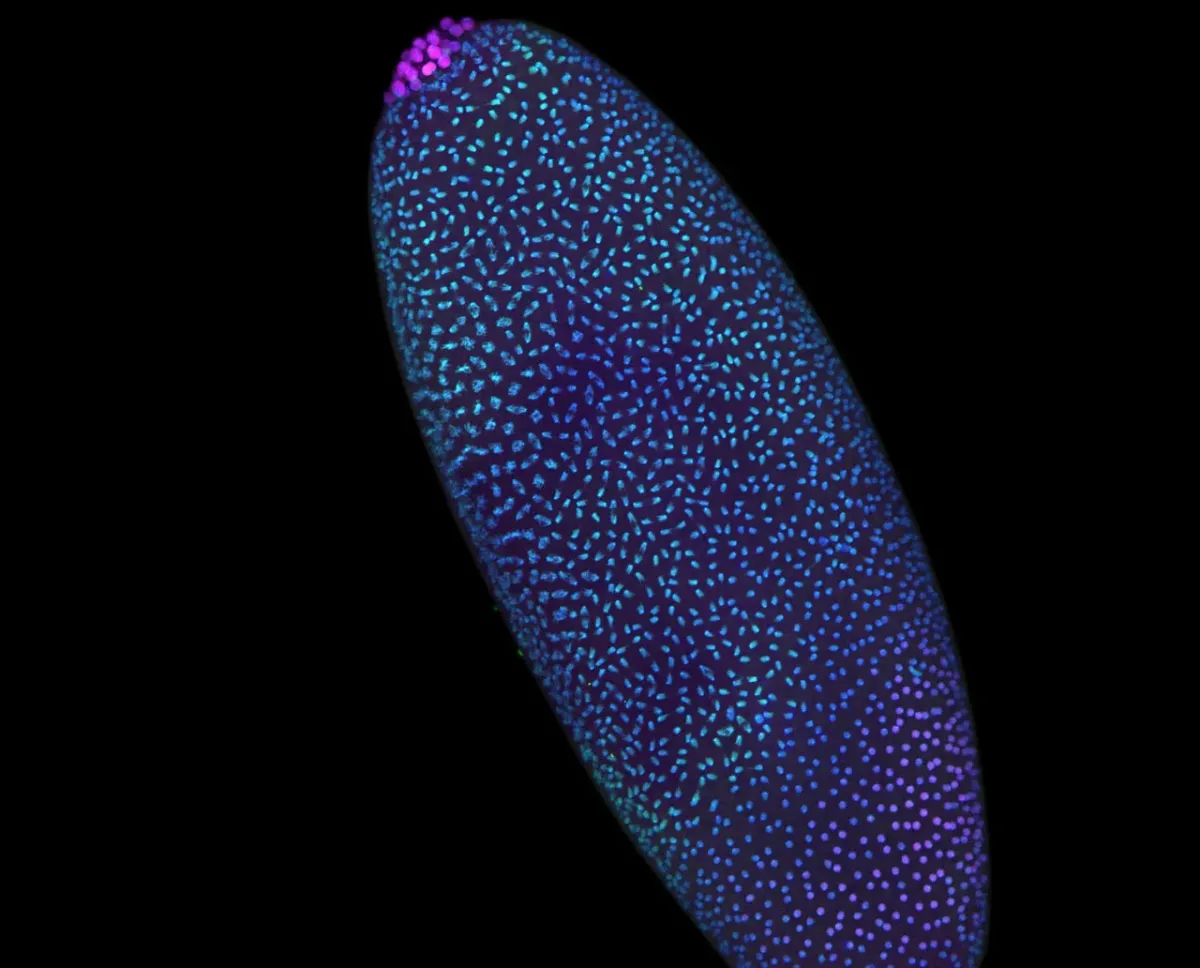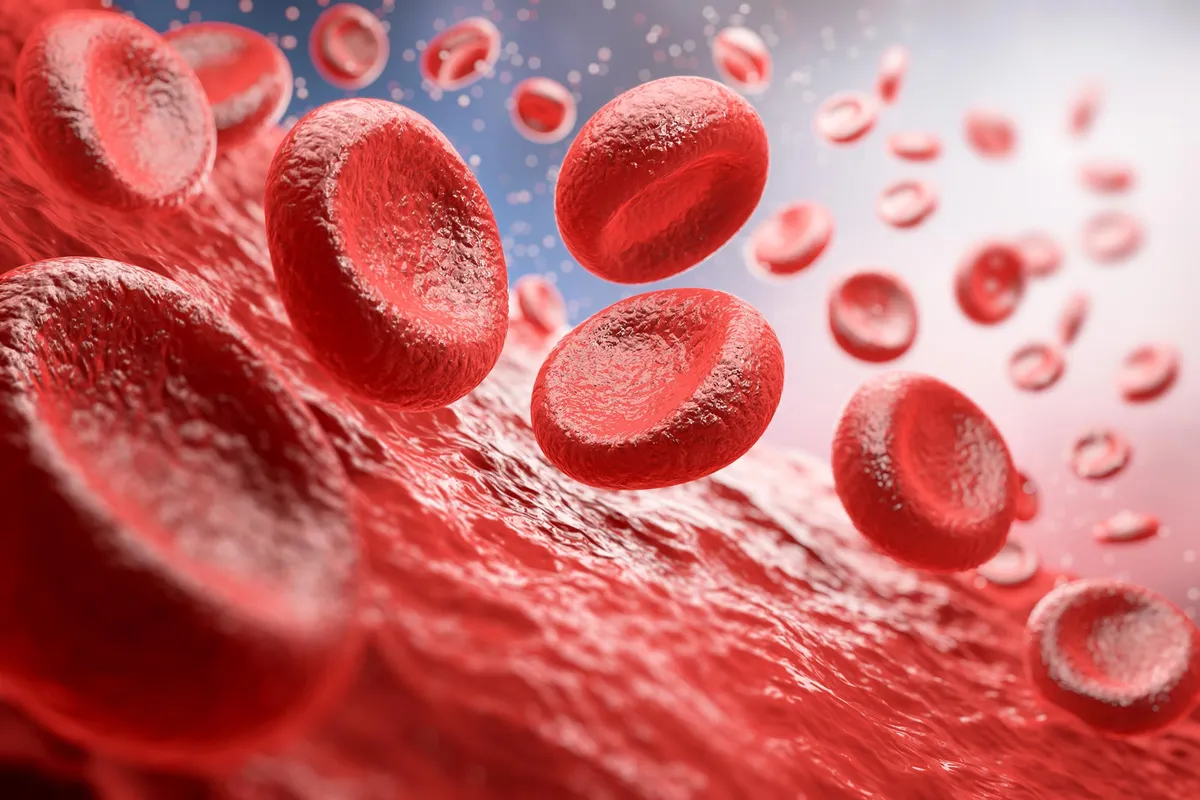
A team at Mount Sinai has figured out how to make old blood stem cells young again—at least in mice. The trick wasn't genetic engineering or adding something new. It was fixing something that had broken: the cell's internal recycling system.
Inside every cell, structures called lysosomes act like waste processors. They break down old proteins and damaged molecules, clearing out junk and converting it into raw materials the cell can reuse. It's elegant, essential work. But as stem cells age, these recycling centers start to malfunction. They become overactive, overly acidic, and damaged—like a garbage disposal that's gotten stuck in overdrive.
Dr. Saghi Ghaffari and her team at Mount Sinai focused on hematopoietic stem cells, the rare cells living in bone marrow that spend your entire life making blood and immune cells. These cells are supposed to be long-lived and self-renewing. But over time, they lose that ability. Older adults end up with weaker immune responses and a condition called clonal hematopoiesis, where certain blood cell clones expand abnormally—a state that increases cancer risk.
We're a new kind of news feed.
Regular news is designed to drain you. We're a non-profit built to restore you. Every story we publish is scored for impact, progress, and hope.
Start Your News DetoxThe Fix Was Counterintuitive
The researchers discovered that slowing down those overactive lysosomes—using a specific inhibitor that reduces their acidity—actually restored the cells' health. The results were striking. Old stem cells started behaving like young ones again. They regained their ability to self-renew, to be transplanted, to produce balanced blood with proper immune cells. Their metabolism improved. Their mitochondria functioned better. Inflammation dropped. The cells even stopped sending out the inflammatory signals that damage surrounding tissue.
When the team treated old stem cells in the lab and then returned them to mice, their blood-forming capacity increased more than eightfold. This wasn't a marginal improvement. This was a meaningful reversal of aging at the cellular level.
Dr. Ghaffari put it plainly: "Old blood stem cells have the capacity to revert to a youthful state; they can bounce back." The findings, published in Cell Stem Cell, suggest that aging in these cells isn't a one-way door. It's a process you might be able to walk back through.
Why This Matters Beyond the Lab
The immediate application is stem cell transplants. Older patients often have fewer healthy stem cells to work with, and the cells they do have perform poorly. If doctors can rejuvenate a patient's own stem cells before transplanting them back, success rates could improve dramatically. The same logic applies to gene therapy, where healthy stem cells are essential.
But the implications reach further. If lysosomal dysfunction drives aging in blood stem cells, it might drive aging in other cell types too. The team is already investigating whether the same mechanism contributes to leukemia development—connecting normal aging to cancer risk in a new way.
The next step is moving from mice to humans. That's years away. But the proof of concept is solid: a broken recycling system can be fixed, and when it is, cells don't just survive—they thrive.