Ever feel like you're trying too hard to be liked? Turns out, the secret to feeling truly loved isn't about changing who you are. It's about changing how you talk to people.
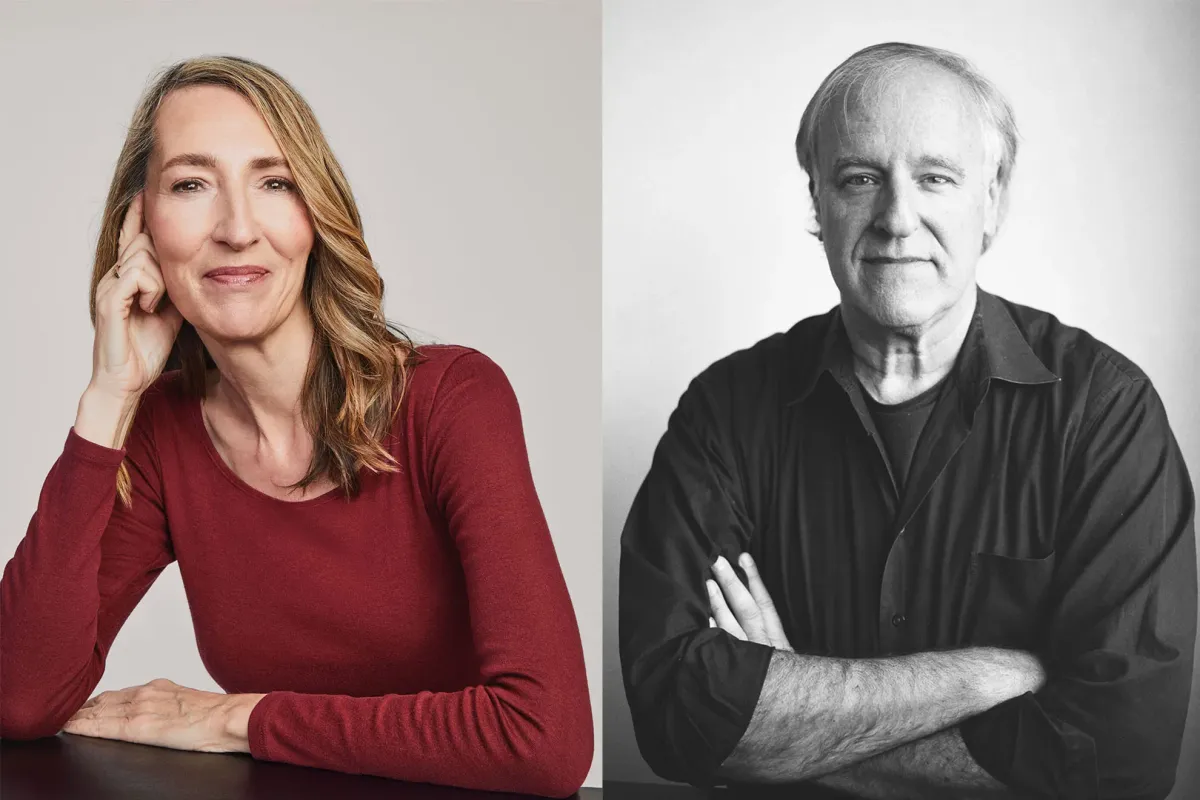
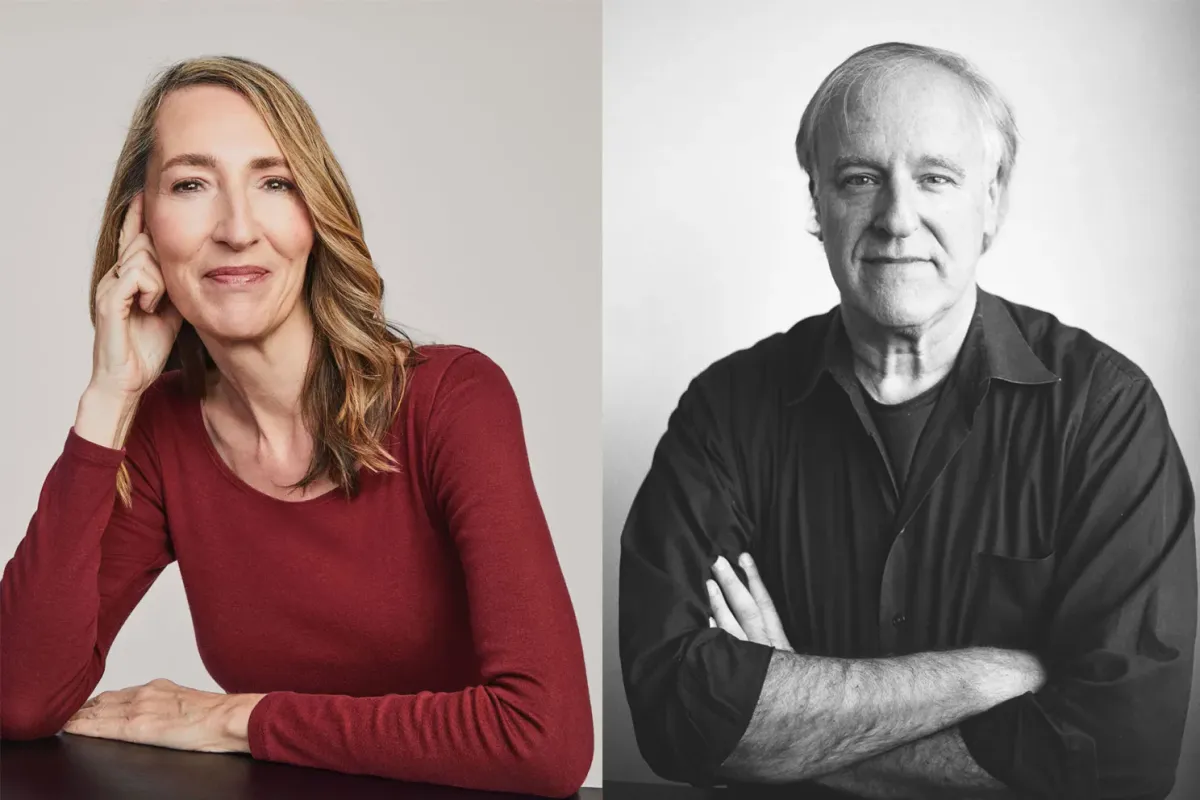
Two psychologists from Harvard say you don't need to transform yourself. Instead, you just need to reveal your full, messy self. That means sharing your quirks, your values, and even your struggles. It's about letting people see what really matters to you.
This isn't about oversharing with everyone you meet. It’s about slowly letting parts of yourself show, building real connections step by step. When you show your true self, you're in control. It's way easier than trying to fit someone else's idea of perfect.
We're a new kind of news feed.
Regular news is designed to drain you. We're a non-profit built to restore you. Every story we publish is scored for impact, progress, and hope.
Start Your News Detox
Most people hide their real thoughts and flaws. They worry about what others will think. But hiding your inner self makes it super tough to feel genuinely loved. Relationship science backs this up.
When you're busy trying to make the "best impression," your focus is in the wrong place. You're trying to say the perfect thing or hide your shortcomings. The coolest part? You actually make a better impression when you focus on the other person instead.

The Relationship Seesaws
Showing your real self can feel a bit scary. You might worry about losing someone's good opinion. But that vulnerability is key. It's the only way to feel truly loved, knowing they love the real you.
To really feel loved, three things need to happen:
- You share your whole, complicated self – the good bits and the tricky bits.
- The other person actually notices what you've shared.
- The other person cares about it.
To make sure someone notices and cares, you should go first. That means you pay attention to their full self first. Get curious about them. Make them feel loved by you, and you create a space for them to love you back.
Think of it like a "Relationship Seesaw." Imagine you and another person on a seesaw, but it's underwater. Only the parts of yourselves you feel safe sharing are visible.
When you give someone your full attention, you approach them with curiosity. You listen deeply, show warmth, and appreciate all their different sides. This helps lift their true self higher out of the water. When they feel truly seen and valued, they feel more loved by you.
By focusing on them, you lift them up. This makes them feel safe enough to open up and show more of who they are.
This isn't a sacrifice. It's part of a cycle. When they feel deeply understood, they're likely to do the same for you. They'll get curious and listen to you more. This helps lift more of your true self above the surface too.

This creates a connection loop. More connection means more love. You also feel more curious and caring about each other. So, feeling loved is actually in your hands. It's not about changing you or them, but changing the conversation.