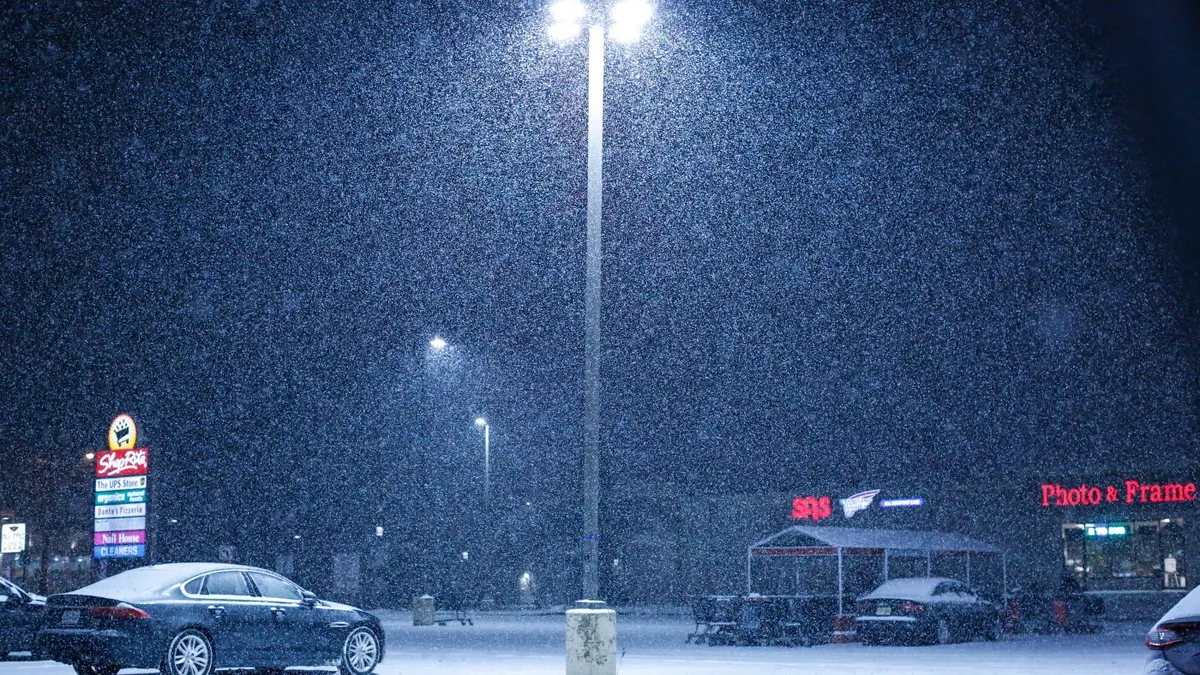
Christian Bryson, a 21-year-old meteorology student, doesn't wait for the evening news when a snowstorm is coming. He pulls up Ryan Hall's YouTube channel instead. "It's as if he's sitting in the living room with you tracking the storm," Bryson says. Hall, who brands himself as "The Internet's Weather Man," has built an audience of over 3 million subscribers by doing exactly that — livestreaming severe weather events with the intimacy of a friend narrating what's happening outside.
Hall is part of a growing wave of weather influencers who've figured out what traditional meteorology never quite mastered on social media: making weather feel urgent and personal. Matthew Cappucci, a senior meteorologist, reached 60 million people on Facebook in just two months. The shift is real. People are moving away from the National Weather Service website and toward their feeds.
But here's where it gets complicated. Weather influencers span a wild spectrum — from accredited meteorologists like Hall and Cappucci to amateurs with no science background at all. And the platforms they use aren't neutral. TikTok, Instagram, and X optimize for engagement, not accuracy. Gary Lackmann, a professor of atmospheric science, describes the problem bluntly: "Once you start clicking on viral extreme weather stuff, then the algorithm is going to just feed you more and more." The result is that sensationalized forecasts — the ones with the brightest colors and most outlandish claims — tend to rise to the top.
We're a new kind of news feed.
Regular news is designed to drain you. We're a non-profit built to restore you. Every story we publish is scored for impact, progress, and hope.
Start Your News DetoxThere's genuine value in what these creators do. Local weather influencers in North Carolina have helped the National Weather Service reach people who might otherwise miss critical updates. "There's a real need for that kind of localization and personalization of weather information," Lackmann acknowledges. A livestreamed storm explanation can cut through the jargon in ways a technical forecast can't.
The danger emerges when financial incentives collide with accuracy. As traditional TV meteorology salaries decline, Cappucci notes, "it's easier to make up that money by posting crazy stuff online." A false alarm about a catastrophic storm gets clicks. A measured, accurate forecast doesn't.
Meteorologists are now wrestling with how to preserve credible information in this new landscape. The National Weather Service has ramped up its own social media presence. Experts are discussing a certification system that would extend beyond current digital media credentials — essentially a badge system to signal who's legitimate and who isn't. But Aaron Scott, an assistant professor of meteorology, points to the thorniest question: "How do we make it? Do we have some type of badging system where you're certified, you're not? Then, who decides that?"
The weather influencer boom isn't going away. What matters now is whether the meteorology community can build trust markers fast enough to keep accuracy from getting lost in the algorithm.