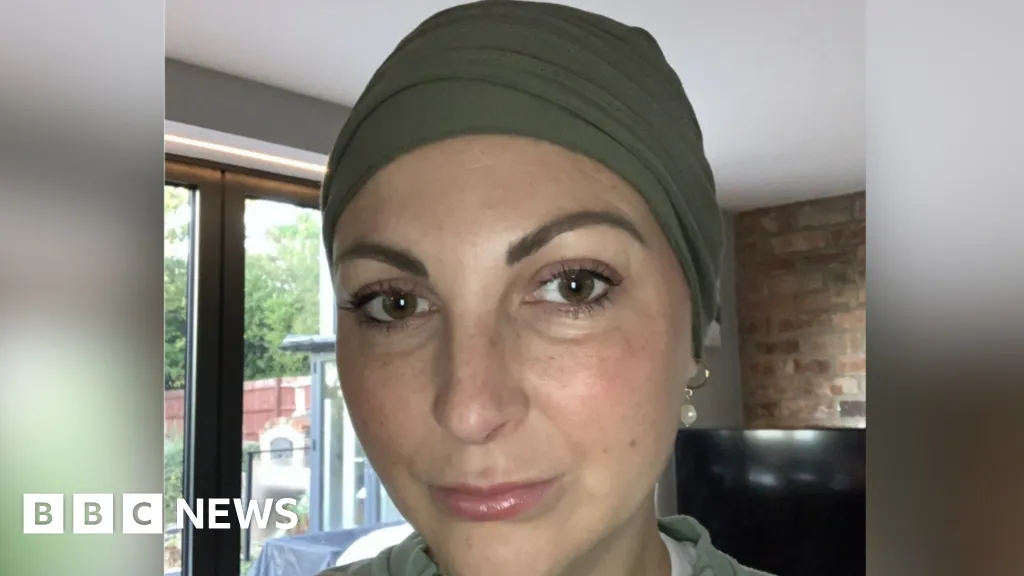
Rebecca Combellack was 37 when she felt something she might have missed. After losing more than two stone on Mounjaro, a GLP-1 weight-loss medication, she discovered a small lump deep in her rib cage—one that would have stayed hidden beneath the weight she'd carried before.
It was May 2025 when doctors confirmed stage two breast cancer. The diagnosis came with an unexpected silver lining: the weight loss had quite literally saved her. "If I'd left it even six months, the outcome could have been much worse," Combellack said. Her doctors agreed. The cancer was fast-acting, and early detection made all the difference.
The timeline matters here. In April 2025, while on a skiing holiday in Nottinghamshire, Combellack weighed herself and realized she'd reached the same number as her husband. She started Mounjaro that month. Within two weeks, the weight began dropping—12.7kg in just two months. As her body changed, she could finally feel what had been there all along.
We're a new kind of news feed.
Regular news is designed to drain you. We're a non-profit built to restore you. Every story we publish is scored for impact, progress, and hope.
Start Your News Detox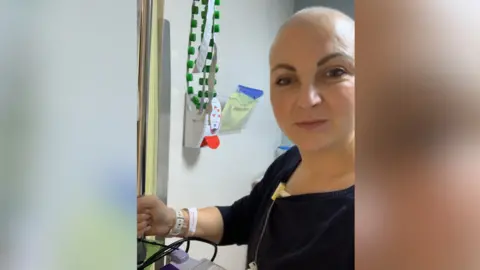
The road ahead
Combellack has since had surgery to remove the lump and began chemotherapy in August 2025. The cancer is oestrogen receptor-positive, which means her treatment plan extends far beyond the immediate battle. She'll take a hormone blocker for the rest of her life—a medication that triggers early menopause and closes the door on having more children with her husband Richard.
These are the costs that don't make headlines. The grief tucked inside survival. Yet Combellack and Richard have moved through it with a clarity that comes from understanding how close they came to a different ending. Rather than retreat, they've channeled their energy outward.
Richard, who plays for the Nottingham Knights ice hockey team, organized a charity match at Nottingham's Motorpoint Arena. They sold 2,000 tickets and raised tens of thousands of pounds for Breast Cancer Now and CoppaFeel, organizations dedicated to early detection and support.
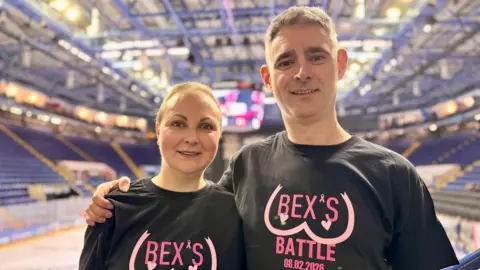
"If we can stop one person, one single person, having to go through this journey, and finding it earlier would stop that, then it's a win for us," Richard said. For Rebecca, the work itself has become part of her survival. "I've just got to carry on laughing," she said. "It's how we get through."
Her story sits at an intersection worth noticing: the unexpected health discoveries that emerge from other treatments, the way early detection still matters enormously, and the human instinct to transform private pain into public good. It's not a feel-good ending—it's a harder, more honest one. But it's the kind of outcome that reminds us why catching things early isn't just medical advice. It's the difference between outcomes.