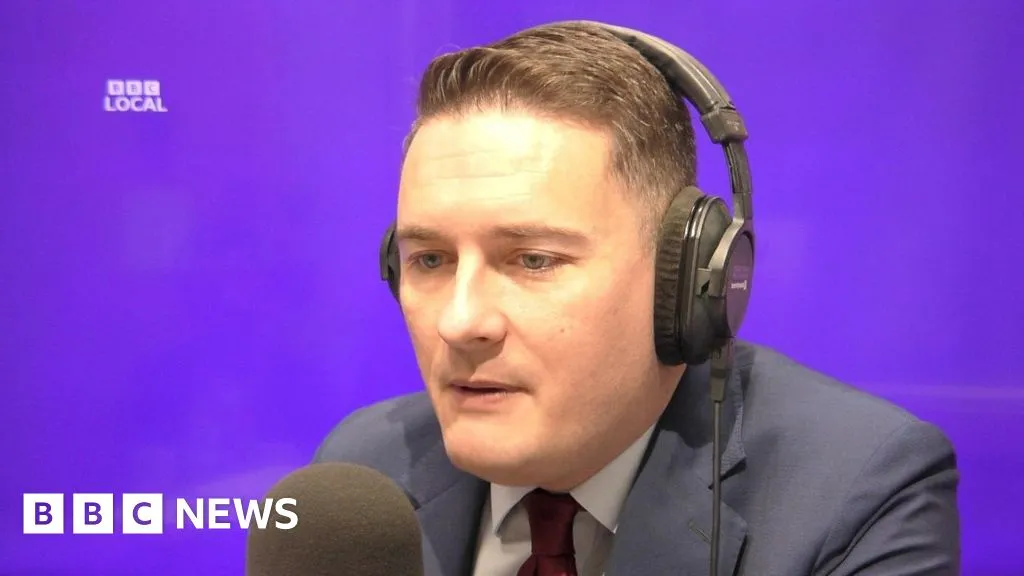
Health Secretary Wes Streeting has acknowledged what patients and clinicians have been saying for years: the NHS is overwhelmed by demand for adult autism and ADHD diagnosis, and the system isn't equipped to handle it.
In a radio interview, Streeting described the situation as a "national issue" he's "very worried about." When asked directly if the government was failing to cope with what amounts to an epidemic, he didn't dodge the question. "In a nutshell, yes," he said.
The scale of the problem is concrete. In Oxfordshire alone, local health services have paused new adult ADHD and autism referrals—Oxford Health stopped accepting ADHD cases in 2024, and Kingswood, which handles autism assessments, followed suit in November. Both cited an "unprecedented number" of cases and capacity issues they simply couldn't absorb.
We're a new kind of news feed.
Regular news is designed to drain you. We're a non-profit built to restore you. Every story we publish is scored for impact, progress, and hope.
Start Your News DetoxWhy the surge now?
Streeting pointed to improved awareness as a likely driver. As more people learn that autism and ADHD look different in adults—especially women and people from marginalized communities—more are seeking formal diagnosis. That's actually a sign the system is working at one level: people who went undiagnosed for decades are finally getting answers. The problem is that the infrastructure to deliver those answers hasn't scaled to match.
Last year, Streeting launched an independent review to dig into what's actually happening—whether diagnosis rates are genuinely rising or if there's over-diagnosis occurring, and where the gaps in support really are. That kind of investigation matters, because you can't fix a problem you don't fully understand.
The government says it's investing in expanded services, but long waits remain the reality in most areas. For someone finally seeking diagnosis after 30 or 40 years of struggling, a two-year wait list isn't just an inconvenience—it's another barrier to getting the support that could fundamentally change their life.
What happens next depends on whether the review findings translate into actual funding and workforce expansion. The local health boards in Oxfordshire are already hopeful that increased funding could allow them to reopen services. But this is a national pattern, not an isolated problem. The question facing the government now is whether it will match the scale of the response to the scale of the need.