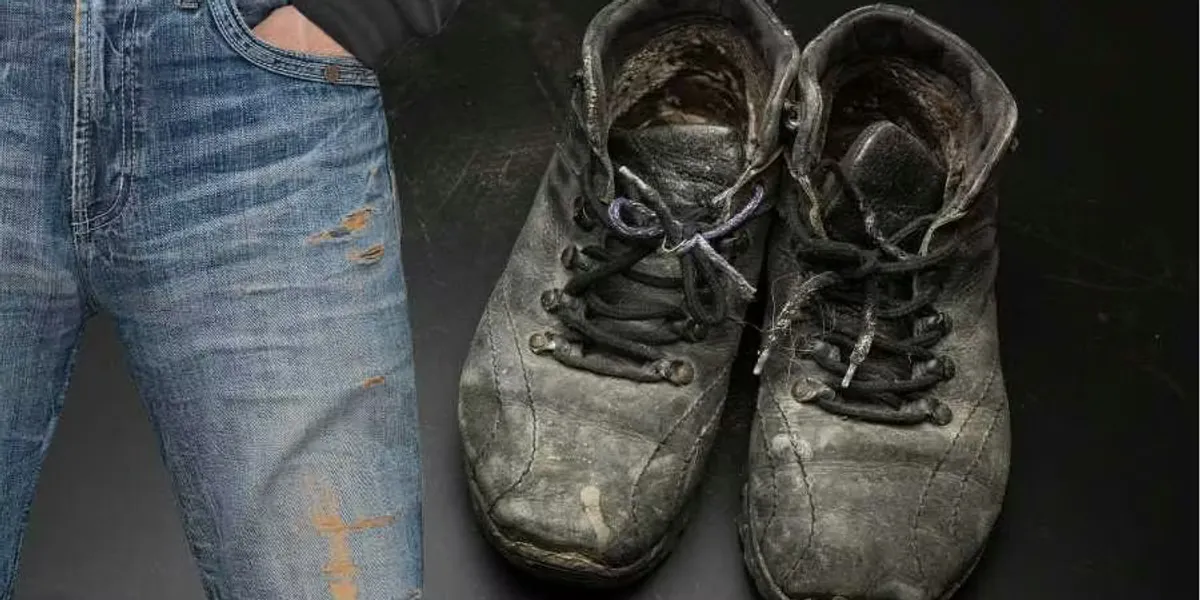
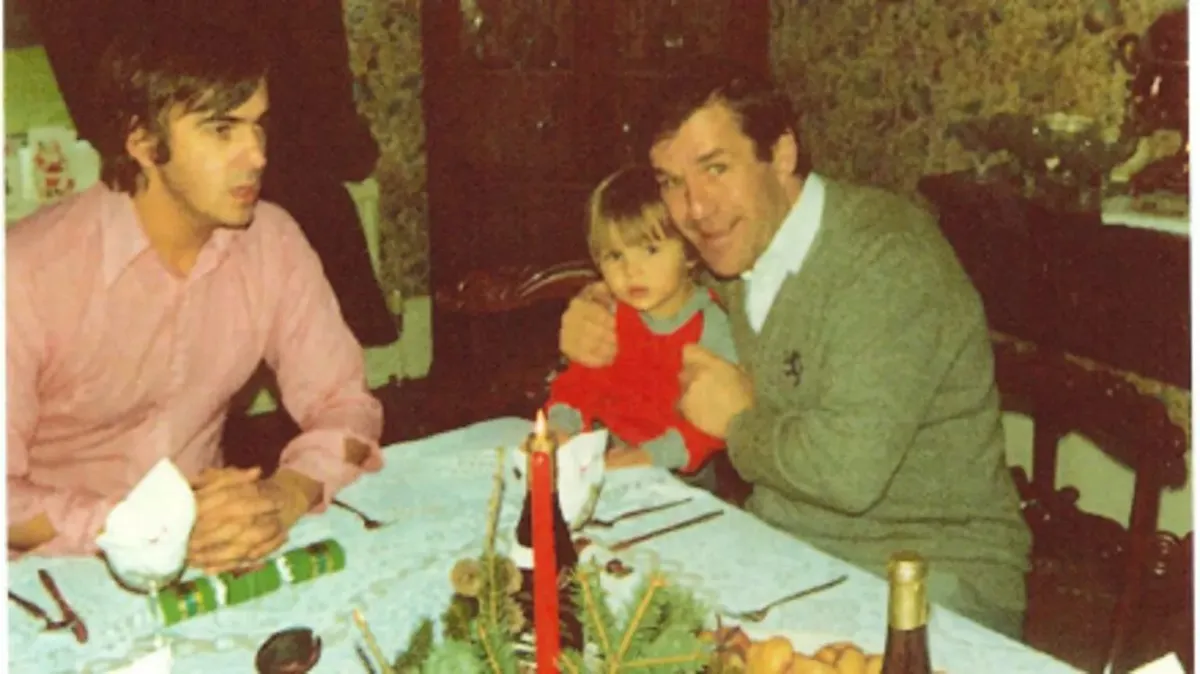
Rob Parsons opened his door on December 23rd to find a man holding a garbage bin full of possessions and a frozen chicken. Ronnie Lockwood, who'd been sent 200 miles away to a school for "the subnormal" at 15 and had spent the years since drifting between homelessness and casual work, had nowhere else to go. "I said two words that changed all of our lives," Parsons told the BBC. "I'm not exactly sure why I said them. I said 'come in.'"
That impulse—one Christmas invitation—became Lockwood's home for the next 45 years.
The catch-22 that kept him stuck
When Lockwood arrived at the Parsons household in Cardiff, Wales, he was 30 years old and autistic, with no friends, no steady work, and no fixed address. The Parsons, recent homemakers themselves, quickly realized the absurdity of his situation. A social worker told them Lockwood needed an address to get a job. But you need a job to afford an address. It's a trap countless homeless people never escape.
We're a new kind of news feed.
Regular news is designed to drain you. We're a non-profit built to restore you. Every story we publish is scored for impact, progress, and hope.
Start Your News DetoxSo Rob—a lawyer—did something quietly radical. He gave Lockwood an address. He drove him to work every morning as a street cleaner, an arrangement that lasted years. He bought him his first new clothes since childhood. The family wove him into their life not as a project or an obligation, but as a person who belonged.
When their children were born, Lockwood became essential to the household. Dianne described him as "kind, amazing"—and also "frustrating." "Sometimes I was his mother, sometimes I was his social worker and sometimes I was his carer," she said. In 45 years, they considered asking him to leave only once.
The rituals that held
Lockwood found his rhythm. Every Christmas, he volunteered at the local church and bought Rob and Dianne the same Marks and Spencer gift card, watching them open it each year with the same delight. He worked meticulously at the food bank. He became part of the texture of their days—not remarkable for being remarkable, but for being steady, present, and known.
When Lockwood died at 75 from a stroke, the Parsons lost someone who'd been woven into their family for nearly half a century. But his legacy didn't end there. He left £52,000 to Glenwood Church in Cardiff. The church used it as part of a £2 million wellbeing center that now serves unhoused and homeless people in the city. They named it Lockwood House.
It's easy to frame this as a story about kindness—and it is. But it's also a story about what happens when someone is simply allowed to stay. When a frozen chicken and a garbage bin full of possessions are met not with pity but with a place at the table. When the catch-22 of homelessness is broken not by policy, but by one person saying yes.