A hundred years after Art Deco burst onto the world stage, it's staging a quiet comeback—not because the movement solved anything, but because it asked a question modernists wanted to ignore: what if pleasure and design were the whole point.
The 1925 International Exhibition of Modern Decorative and Industrial Arts in Paris was supposed to be held in 1911. World War I had other plans. When it finally opened, the mood was less "here's the future" and more "let's sell this to people who need something beautiful to look at." France was claiming one last moment as the arbiter of global style before the art world's center shifted to New York after the next war.
Today, Paris is marking the anniversary with "1925–2025: One Hundred Years of Art Deco" at the Musée des Arts Decoratifs. Over 1,000 objects fill three floors—a folding screen by Edgar Brandt that captures a fountain in streamlined metal, garments from Sonia Delaunay's fashion boutique swirling with color, Cartier jewels bold enough to announce an era of splashy wealth. These pieces shared one obsession: evoking speed and modernity, relishing in the material pleasures of a postwar boom.
We're a new kind of news feed.
Regular news is designed to drain you. We're a non-profit built to restore you. Every story we publish is scored for impact, progress, and hope.
Start Your News DetoxThe Tension That Still Matters
But the exhibition also holds something darker. Toys made by World War I veterans at the Atelier des Mutilés (Workshop for the Maimed) gave men with missing limbs a role in producing beauty. Objects from the colonial collections of the Musée d'Ethnographie du Trocadéro—including a python skin-covered desk—show how France's imperial activities furnished the aesthetic inspiration that made Art Deco possible. Modernity had costs, and they're built into the objects themselves.
Across the Seine, a second exhibition stages the architectural debates that unfolded at the 1925 grounds. Le Corbusier arrived with his stark white pavilion—square windows, prefabricated materials, zero ornament—designed to celebrate the machine age and the death of decoration. The thing was so deliberately austere that organizers had to fence part of it off so visitors wouldn't be too put off.

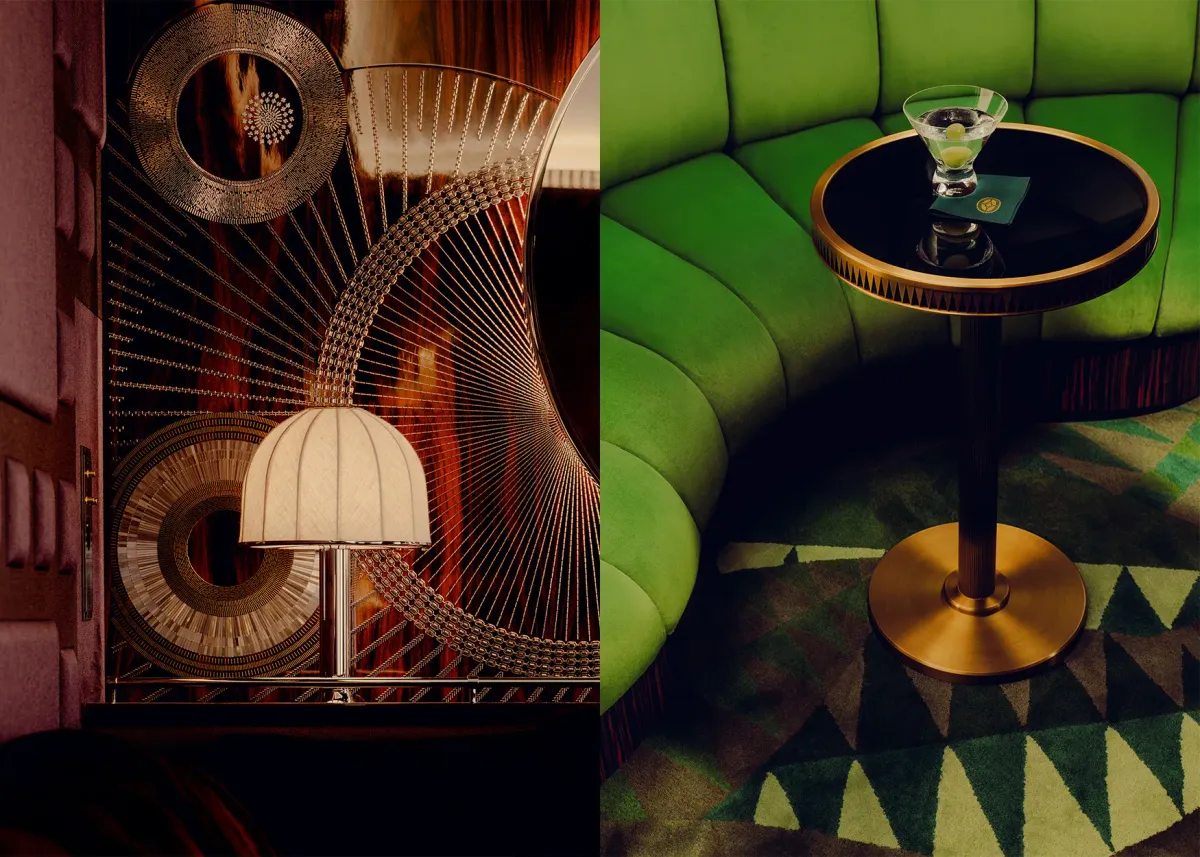
Against Le Corbusier's rational purity sat everything else: lustrous surfaces, sensual curves, objects designed to stoke desire. Not the desire to own something you needed—the desire to own something that made you feel alive. Art Deco was never about practicality. It was about escapism, about giving people recovering from catastrophe something to admire.
The exhibition's finale drives the point home: a tribute to the Orient Express, currently being restored by architect Maxime d'Angeac. His reimagined Art Deco interiors sit alongside the originals—sumptuous fabrics, elegant tableware, surfaces that catch light. Most visitors will never afford a ticket. Most people who saw the 1925 exhibition never owned the things they came to admire. But that was always the deal Art Deco made: beauty doesn't have to be practical to be true.
Why does this matter now. Because we've spent a century listening to the modernists, and the world still feels like it needs reminding that desire, pleasure, and delight are legitimate reasons to make something. Art Deco is back because we're tired of being told that function is enough.